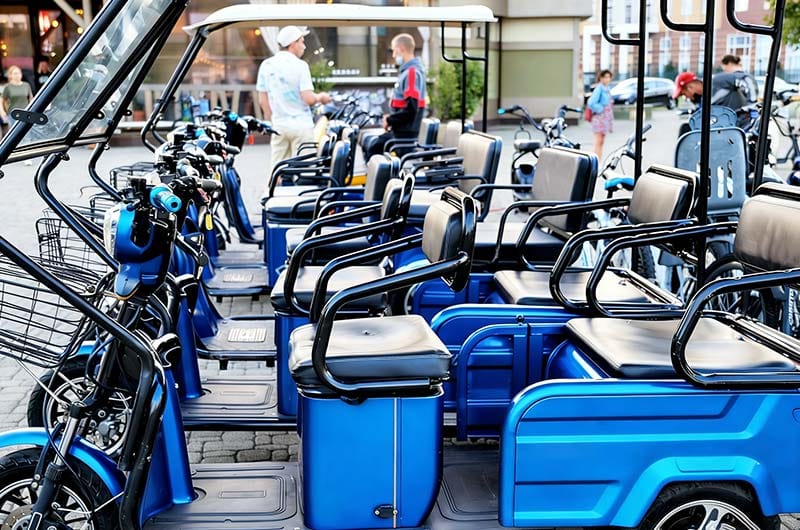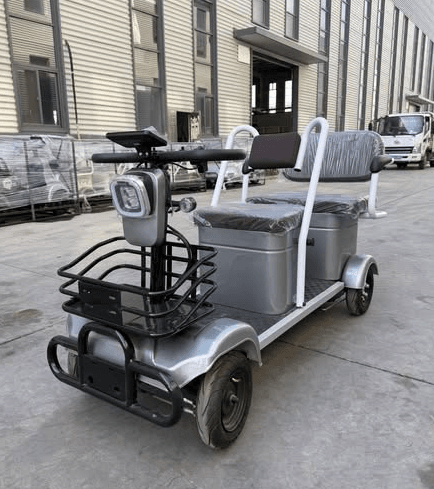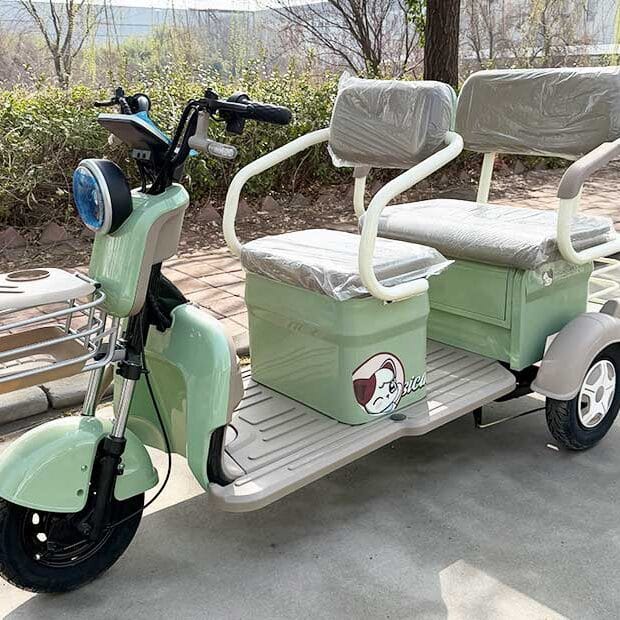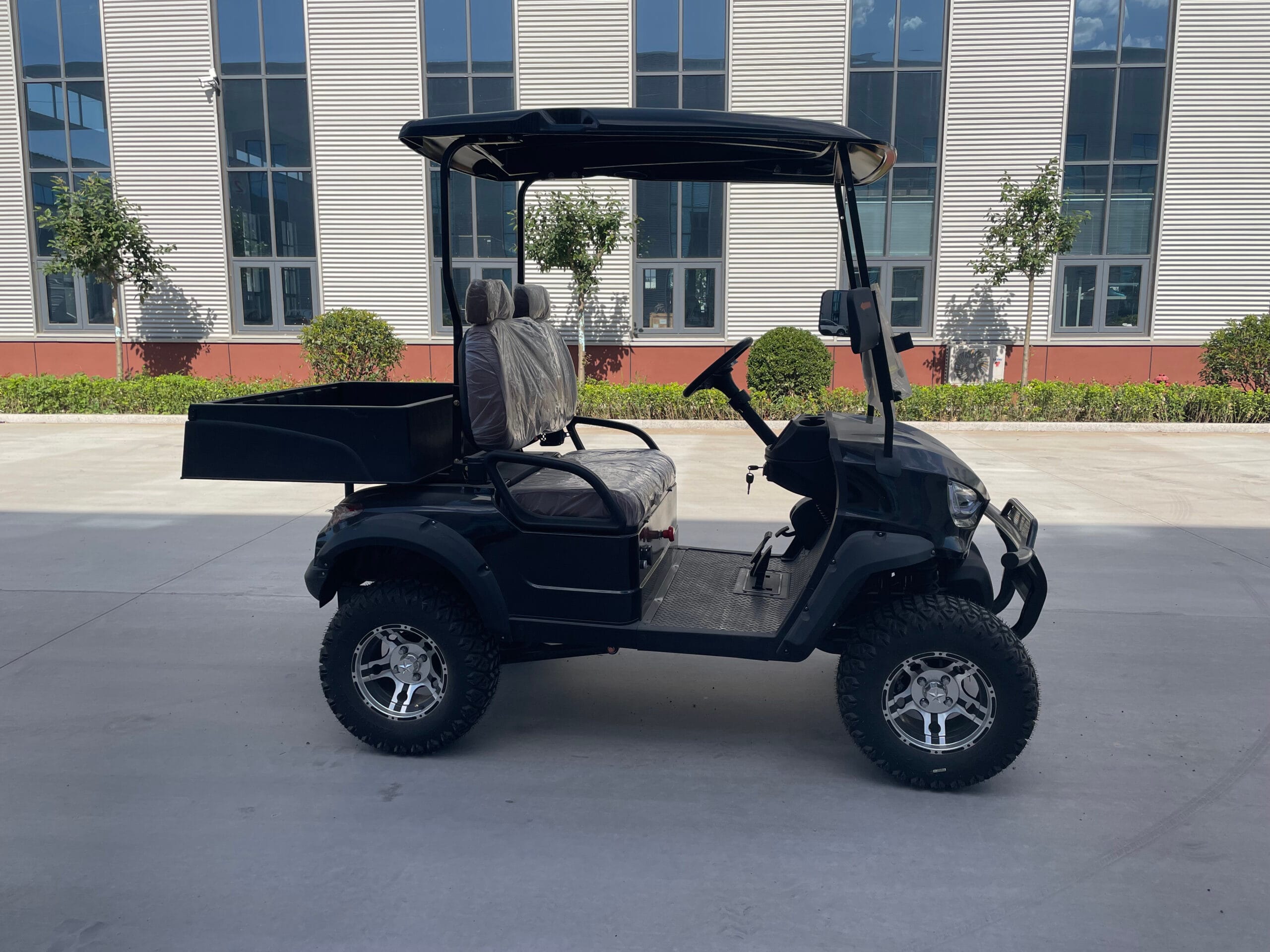
As global demand for economical transportation solutions and new energy products continues to rise, electric tricycles manufactured in China are increasingly becoming a preferred choice for small and medium-sized businesses, logistics providers, and individuals seeking short-distance mobility in many countries. For importers, sourcing electric tricycles from China offers not only cost advantages but also access to flexible customization options. However, the entire import process involves multiple stages and requires a systematic understanding and comprehensive planning.
1. Define Product Requirements and Market Positioning
Before initiating the procurement process, importers must clearly define the specific needs of their target market. For instance, will the vehicles be used for cargo transport, passenger carriage, or agricultural purposes? Different applications require significantly different vehicle configurations—including battery capacity, motor power, cargo box dimensions, and load-bearing capacity. Additionally, importers must pay close attention to local regulations—such as the requirement to comply with specific certifications (e.g., COC, EEC)—to ensure the products can successfully enter the market.
2. Select Reliable Suppliers
Choosing the right manufacturer is paramount to a successful import operation. It is advisable to prioritize manufacturers with prior export experience, as these companies are typically well-versed in the certification standards, packaging requirements, and shipping procedures of various countries. Reliability can be preliminarily assessed by reviewing a company’s credentials (such as ISO certification), past export case studies, and customer reviews. Furthermore, communication proficiency and responsiveness are critical factors to consider.
3. Confirm Product Configurations and Customization Options
Chinese suppliers typically offer OEM/ODM services, allowing importers to customize vehicles based on specific market demands—such as adjusting voltage levels (48V/60V/72V), adding rain-protection features, optimizing suspension systems, or customizing brand logos. During this stage, all technical specifications should be clearly defined and formally documented in writing to prevent production discrepancies later on.
4. Understand Pricing Structures and Payment Terms
Quotes for electric tricycles are typically based on FOB (Free on Board) or CIF (Cost, Insurance, and Freight) terms. Importers must clarify whether the quoted price includes the cost of batteries, accessories, packaging, and export documentation fees. Common payment methods include a 30% upfront deposit followed by a 70% balance payment (settled prior to shipment), or transactions conducted via Letter of Credit (L/C). Strategically managing payment milestones helps mitigate transaction-related risks.
5. Arrange Production and Quality Inspection
Once the order is confirmed, the supplier will proceed to the production phase. At this juncture, it is advisable to regularly monitor production progress and arrange for a third-party inspection—or a remote video inspection—prior to shipment. The primary focus of this inspection should be to verify vehicle performance, battery condition, and overall aesthetic quality. Quality control is a critical step in preventing post-sales issues.
6. Logistics, Shipping, and Customs Clearance
Electric tricycles are typically transported via sea freight, either as Full Container Loads (FCL) or Less than Container Loads (LCL). As these products contain batteries, they must comply with regulations governing the transport of hazardous materials (e.g., requiring a UN38.3 test report). Importers are required to prepare a commercial invoice, packing list, bill of lading, and relevant certification documents, as well as coordinate with local customs clearance agents to complete the customs declaration process.
7. After-Sales Service and Long-Term Cooperation
Successful importation is merely the first step; establishing a stable supply chain relationship is of even greater importance. High-quality suppliers typically provide spare parts support, technical guidance, and comprehensive after-sales service solutions. Long-term cooperation not only secures more competitive pricing but also provides a strategic advantage regarding product upgrades and market expansion.