Introduction
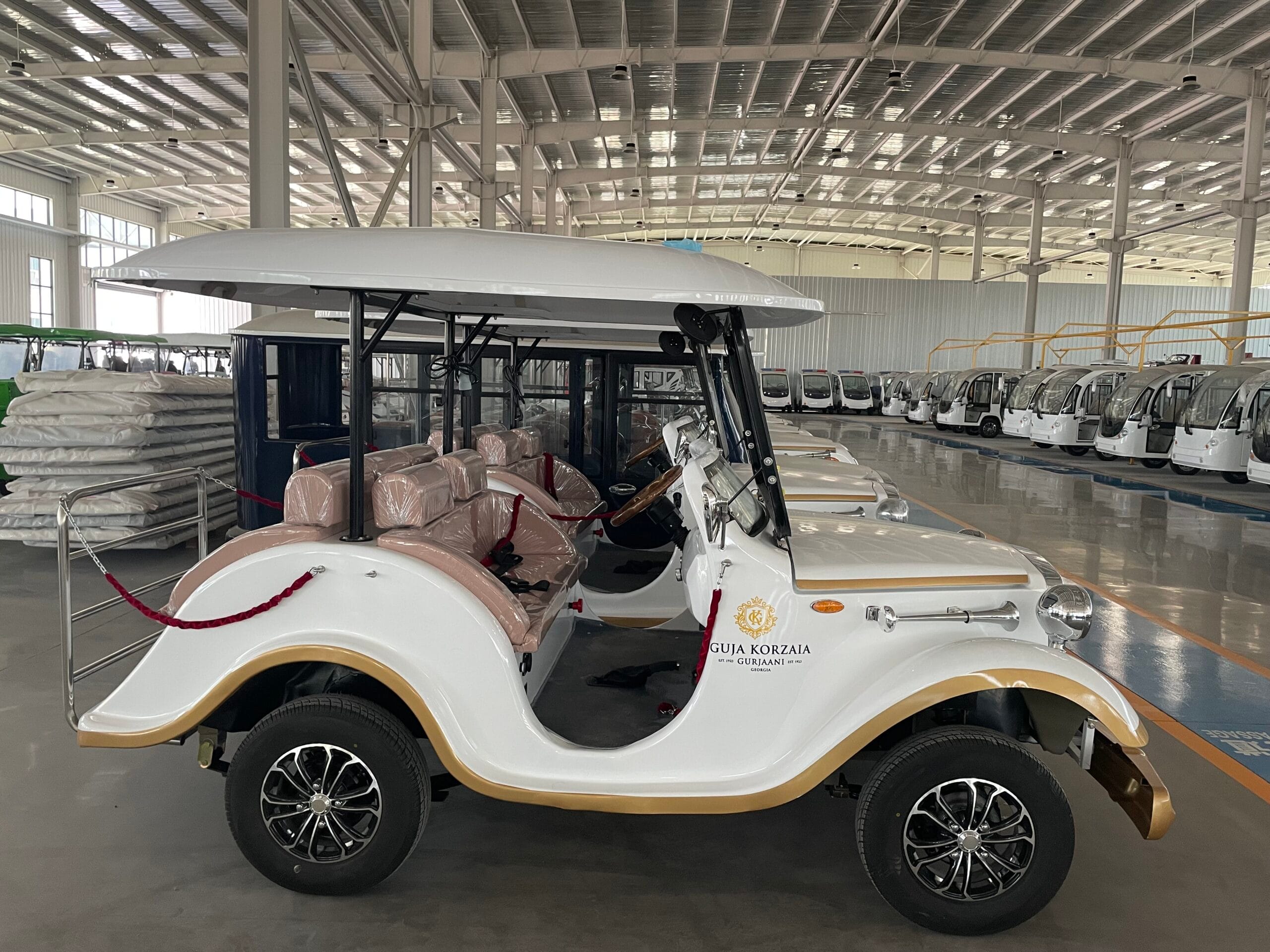
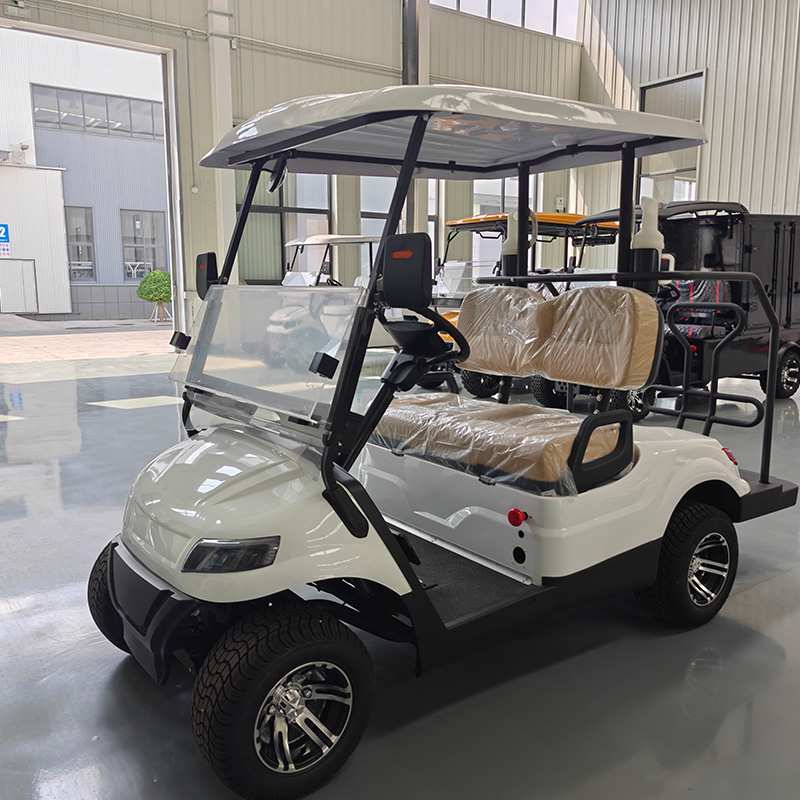
As the demand for economical, environmentally responsible transportation continues to grow, electric vehicles are becoming an increasingly popular choice for businesses, communities, resorts, golf courses, and individual users. Among the many electric transportation options available today, the electric golf cart vehicle stands out for its practical design, energy efficiency, and versatility. Originally developed to transport golfers and their equipment across golf courses, modern electric golf carts now serve a much wider range of purposes, from moving guests around resorts to supporting daily operations in warehouses, residential communities, farms, and commercial facilities.
Electric Golf Cart Vehicle for Affordable Green Mobility is an important concept for buyers who want to balance purchase costs, operating expenses, passenger comfort, and environmental considerations. Choosing the right electric golf cart vehicle can help organizations improve transportation efficiency while reducing their dependence on conventional fuel-powered vehicles for short-distance travel.
Unlike traditional gasoline-powered carts, electric golf carts use rechargeable batteries to power an electric motor. This design eliminates tailpipe emissions during operation and can reduce routine maintenance requirements because electric drivetrains generally have fewer moving parts than combustion engines. For businesses that frequently transport people or light cargo over short distances, these advantages can make electric golf carts a practical addition to an existing transportation system.
Another reason for their popularity is flexibility. Electric golf carts are available in different configurations, including two-seat models, four-seat passenger carts, utility vehicles, cargo carts, and enclosed models designed for additional weather protection. Buyers can select a configuration that matches their operational needs instead of paying for unnecessary features.
Electric Golf Cart Vehicle for Affordable Green Mobility also reflects a broader shift toward efficient local transportation. As more organizations look for ways to reduce operating costs and improve the experience of customers, employees, and visitors, electric golf carts provide an accessible option for many low-speed transportation applications.
Understanding their features, costs, battery options, applications, and maintenance requirements can help buyers make informed purchasing decisions. This article explores the main benefits of electric golf cart vehicles, explains how to evaluate different models, and provides practical guidance for selecting an affordable and reliable solution.
What Is an Electric Golf Cart Vehicle?
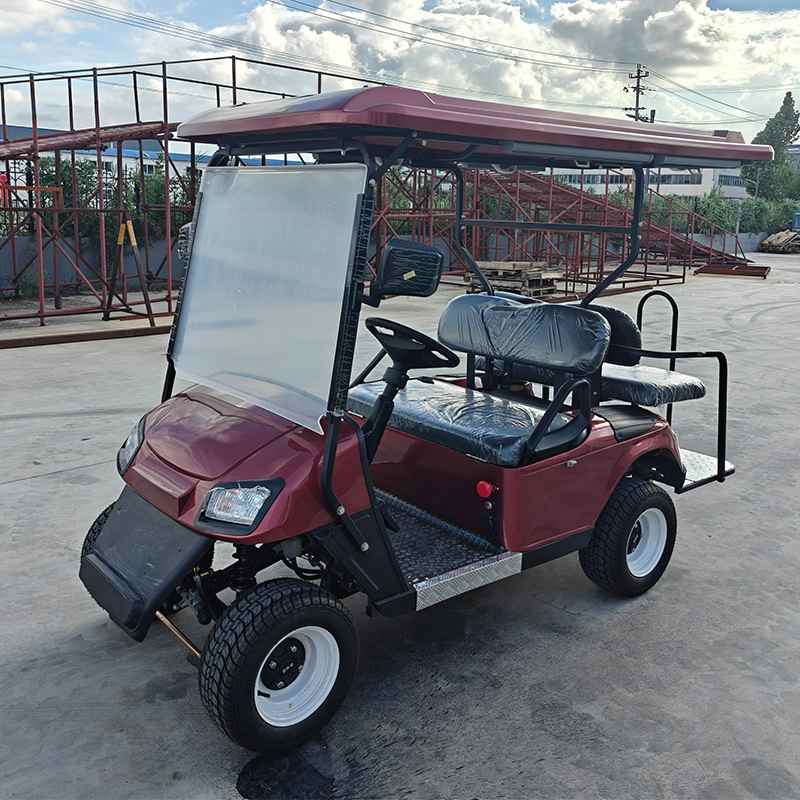
An electric golf cart vehicle is a compact transportation vehicle powered by an electric motor and a rechargeable battery system. It is typically designed for low-speed travel, frequent stopping, and convenient movement across relatively short distances.
Traditional golf carts were mainly used on golf courses to carry players and golf equipment. However, manufacturers have expanded their product ranges to meet the needs of commercial and residential users. Today, electric golf cart vehicles can be found in hospitality, tourism, education, industrial facilities, gated communities, agricultural operations, and many other environments.
The basic structure usually includes a chassis, wheels, an electric motor, a battery pack, a controller, a steering system, brakes, and a passenger or cargo compartment. Depending on the model, the vehicle may also include headlights, turn signals, mirrors, seat belts, a windshield, a roof, storage compartments, and digital displays.
The battery supplies electrical energy to the motor, while the controller regulates power delivery according to the driver’s input. When the driver accelerates, the controller adjusts the electrical current supplied to the motor. This process provides smooth acceleration and makes electric golf carts relatively easy to operate.
An electric golf cart vehicle may use different battery technologies. Lead-acid batteries are often associated with lower initial purchase prices, while lithium-ion batteries can offer advantages such as lower weight, faster charging under suitable conditions, and longer service life. The best choice depends on budget, usage frequency, charging arrangements, and long-term operating requirements.
The following table summarizes common components and their functions.
| Component | Main Function | Buyer Consideration |
|---|---|---|
| Electric motor | Converts electrical energy into motion | Power and performance requirements |
| Battery pack | Stores energy for driving | Capacity, lifespan, and charging time |
| Motor controller | Regulates motor power | Smooth acceleration and efficiency |
| Chassis | Supports the vehicle and occupants | Structural strength and durability |
| Braking system | Slows and stops the vehicle | Reliability and maintenance |
| Tires | Provide traction and stability | Terrain and operating conditions |
| Charger | Recharges the battery | Compatibility and charging speed |
| Seating or cargo area | Supports passengers or equipment | Capacity and intended application |
Understanding these components allows buyers to compare electric golf cart vehicles based on practical performance rather than appearance alone.
Why Electric Golf Cart Vehicle for Affordable Green Mobility Matters
Affordability is not determined by the initial purchase price alone. A vehicle that costs less upfront may require more frequent maintenance, consume more energy, or need replacement sooner. A more expensive model may provide better long-term value if it offers greater efficiency, durability, and suitability for daily operations.
Electric Golf Cart Vehicle for Affordable Green Mobility focuses on evaluating transportation from a complete cost perspective. Buyers should consider purchase price, electricity consumption, battery replacement, maintenance, charging infrastructure, and expected service life.
For example, a resort that operates several passenger carts every day may benefit from lower energy and routine maintenance expenses. A residential community may use electric carts for security patrols, maintenance work, and short-distance transportation. A golf course may use them to move players between different areas without creating unnecessary noise.
Electric golf carts also support more efficient use of energy in applications where a full-size vehicle would be excessive. Transporting one or two people across a large property in a compact electric cart can be more practical than operating a conventional car for the same task.
However, affordability should always be balanced with safety and suitability. Buyers need to determine whether the vehicle’s rated capacity, speed, range, and terrain capability match their requirements. A low-priced cart may not provide good value if it cannot handle the intended workload.
Several factors explain why electric golf cart vehicles have become attractive transportation solutions.
- Lower energy costs: Electricity can cost less than gasoline for comparable short-distance operations, depending on local energy and fuel prices.
- Reduced routine maintenance: Electric drivetrains generally require fewer engine-related service tasks.
- Quiet operation: Electric motors can reduce noise in residential, recreational, and hospitality environments.
- No tailpipe emissions: Battery-powered carts produce no exhaust emissions while driving.
- Flexible configurations: Buyers can choose passenger, utility, cargo, or enclosed designs.
- Convenient operation: Simple controls and smooth acceleration can make daily use easier for trained operators.
These advantages make the electric golf cart vehicle an option worth considering for organizations seeking practical and economical local transportation.
Main Benefits of Electric Golf Cart Vehicles
Lower Daily Operating Costs
One of the main reasons buyers consider electric golf carts is the potential to reduce operating expenses. Electricity powers the vehicle, so users do not need to purchase gasoline for routine operation.
The exact savings depend on battery capacity, electricity rates, driving distance, terrain, passenger load, and charging efficiency. Frequent acceleration, steep slopes, heavy cargo, and rough surfaces can increase energy consumption.
Nevertheless, for short-distance transportation with predictable daily routes, electric golf carts can provide an economical alternative to larger fuel-powered vehicles.
Organizations should compare the total cost of operating each vehicle rather than focusing exclusively on energy prices. Battery replacement, charger expenses, labor, insurance, and maintenance should all be included in the calculation.
Reduced Routine Maintenance
Electric golf cart vehicles generally have simpler drivetrains than gasoline-powered alternatives. They do not require conventional engine oil changes, spark plug replacement, or fuel-system maintenance.
This does not mean electric carts are maintenance-free. Tires, brakes, steering components, suspension parts, electrical connections, and batteries still require regular inspection.
Lead-acid battery models may also require specific maintenance according to the manufacturer’s instructions. Lithium-ion battery systems generally have different service requirements and should be maintained using compatible chargers and approved procedures.
For fleet operators, simpler routine servicing may reduce downtime and make maintenance planning easier.
Quiet and Comfortable Transportation
Noise can be a significant concern in resorts, retirement communities, golf courses, campuses, and residential developments. Electric golf carts usually operate more quietly than comparable combustion-engine vehicles.
Quieter operation can improve the experience of guests, residents, employees, and golfers. It can also make communication easier when staff members use carts during routine work.
Comfort depends on more than the powertrain. Seat design, suspension, tire selection, legroom, steering effort, and weather protection all influence the driving experience.
Buyers should test the vehicle on the surfaces where it will be used. A cart that feels comfortable on smooth pavement may behave differently on uneven paths or compacted gravel.
Flexible Transportation Applications
Modern electric golf cart vehicles are not limited to golf courses. They can serve as passenger shuttles, maintenance vehicles, light-duty cargo carriers, and utility transporters.
For example, a hotel may use a four-seat cart to move guests and luggage around the property. A warehouse may choose a utility cart for transporting tools and supplies. A farm may use a cargo model to carry small quantities of equipment between buildings.
This flexibility makes electric golf carts particularly useful for properties where full-size vehicles are inconvenient or unnecessary.
Understanding Electric Golf Cart Vehicle Types
Different applications require different vehicle configurations. Choosing a suitable design can improve efficiency, comfort, and safety while avoiding unnecessary expenses.
Two-Seat Electric Golf Carts
Two-seat electric golf carts are compact and relatively simple. They are suitable for individual users, couples, maintenance teams, and golf course operations where passenger capacity is limited.
Their smaller size can make parking and maneuvering easier in narrow spaces. Depending on the design, they may also offer storage space for golf equipment, tools, or personal belongings.
These carts can be appropriate for private communities, small resorts, and facilities where most journeys involve one or two people.
Four-Seat Electric Golf Carts
Four-seat models provide additional passenger capacity and are popular with resorts, residential communities, tourism operators, and recreational facilities.
Some models use forward-facing seats for all passengers, while others have rear-facing seats or convertible rear cargo areas. Buyers should examine the seating layout and verify the manufacturer’s rated passenger capacity.
A four-seat cart may cost more than a two-seat model, but it can reduce the number of trips required when transporting groups.
Six-Seat Electric Golf Carts
Six-seat carts are designed for group transportation. They can be useful in large resorts, hotels, campuses, event venues, and gated communities.
The longer chassis and additional seating may affect turning radius, vehicle weight, braking performance, and energy consumption. Buyers should check whether the vehicle can navigate the property’s roads, paths, ramps, and loading areas.
Passenger weight limits and seat belt availability are especially important when choosing a larger cart.
Electric Utility and Cargo Carts
Utility electric golf carts prioritize equipment transportation instead of passenger seating. Common features include rear cargo beds, storage compartments, reinforced load areas, and accessories for maintenance operations.
They can support landscaping, groundskeeping, warehouse activities, agricultural work, and facility management.
A utility cart should be selected according to its rated payload, cargo dimensions, braking capacity, and terrain suitability. Buyers should not assume that a passenger cart can safely carry the same amount of cargo as a purpose-built utility vehicle.
Enclosed Electric Golf Cart Vehicles
Enclosed electric golf cart vehicles provide additional protection from wind, rain, and direct sunlight. Depending on the model, they may include doors, a windshield, side windows, a roof, and optional heating or ventilation systems.
These features can be useful in locations with changing weather conditions or for applications that require greater comfort.
Enclosed configurations may increase purchase cost, vehicle weight, and energy consumption. Buyers should also check visibility, ventilation, emergency exit arrangements, and the manufacturer’s guidance for operating in adverse weather.
The following table provides a general comparison.
| Vehicle Type | Typical Application | Main Advantage | Important Consideration |
|---|---|---|---|
| Two-seat cart | Personal use and golf | Compact size | Limited passenger capacity |
| Four-seat cart | Resorts and communities | Balanced capacity | Seating configuration |
| Six-seat cart | Group transportation | Moves more passengers | Larger dimensions |
| Utility cart | Maintenance and light cargo | Practical load area | Payload limits |
| Enclosed cart | Hospitality and weather protection | Added passenger protection | Higher cost and weight |
Actual specifications vary by manufacturer and model, so buyers should review the technical documentation before purchasing.
Battery Technology and Driving Range
The battery is one of the most important components of an electric golf cart vehicle. It influences driving range, charging time, vehicle weight, performance, maintenance, and overall ownership costs.
Selecting the right battery requires an understanding of how the vehicle will be used. A cart that travels a few kilometers per day may have very different requirements from a resort shuttle that operates continuously throughout the day.
Lead-Acid Batteries
Lead-acid batteries have been widely used in electric golf carts for many years. They can offer a relatively low initial purchase price, making them attractive to buyers with limited budgets.
However, lead-acid batteries are relatively heavy and may require more maintenance, depending on their design. Their service life depends on charging practices, discharge depth, temperature, maintenance, and operating conditions.
Some flooded lead-acid batteries require regular electrolyte-level checks. Sealed variants have different maintenance requirements. Buyers should always follow the specific manufacturer’s instructions.
Lithium-Ion Batteries
Lithium-ion batteries, including lithium iron phosphate systems, are increasingly used in electric golf cart vehicles.
Depending on the battery design, advantages may include lower weight, efficient energy delivery, faster charging capability, and a longer cycle life than many conventional lead-acid alternatives.
However, lithium batteries typically increase the upfront purchase price. The battery management system, charger compatibility, operating temperature, warranty, and replacement availability should be reviewed carefully.
A lithium battery is not automatically the best choice for every buyer. Its value depends on expected usage, ownership period, maintenance resources, and total cost of ownership.
How Driving Range Is Determined
Advertised range figures should be treated as estimates rather than guaranteed daily performance. Actual range depends on several variables.
- Battery capacity and condition
- Passenger and cargo weight
- Terrain and elevation changes
- Driving speed and acceleration
- Tire pressure and tire condition
- Ambient temperature
- Frequency of stopping and starting
- Battery charging and maintenance practices
A golf course with gentle slopes and smooth paths may allow a cart to travel farther than a property with steep inclines and rough surfaces.
Fleet managers should estimate daily mileage and select a battery configuration that provides an appropriate reserve. Choosing a vehicle with too little range can create operational interruptions, while selecting excessive capacity may unnecessarily increase costs.
| Battery Consideration | Why It Matters | What Buyers Should Check |
|---|---|---|
| Battery capacity | Affects available stored energy | Rated capacity and usable energy |
| Charging time | Determines downtime | Manufacturer’s charging specifications |
| Cycle life | Influences replacement frequency | Warranty and test conditions |
| Battery weight | Affects vehicle weight and handling | Complete vehicle specifications |
| Charger compatibility | Supports safe charging | Approved charger model |
| Warranty | Helps manage ownership risk | Coverage period and exclusions |
When comparing an electric golf cart vehicle for affordable green mobility, buyers should compare battery options over the expected ownership period rather than looking only at the initial price.
How to Calculate the Total Cost of Ownership
A reliable cost comparison should include all major expenses associated with purchasing, operating, maintaining, and eventually replacing the vehicle.
The total cost of ownership is especially important for organizations buying multiple carts. A small difference in annual expenses can become significant when multiplied across a large fleet.
The main cost categories include:
- Initial vehicle purchase price
- Battery and charger costs
- Charging electricity
- Routine inspections and repairs
- Tire and brake replacement
- Battery replacement when required
- Insurance, registration, and applicable taxes
- Storage and charging infrastructure
- Resale value at the end of ownership
A simple calculation can help estimate operating costs.
Electricity cost per charging session can be estimated as:
Electricity cost = Energy drawn from the grid in kWh × Electricity price per kWh
For example, assume a cart uses 4 kWh of electricity from the grid during a typical day’s charging and the local electricity price is $0.20 per kWh.
The estimated daily electricity cost would be:
4 kWh × $0.20 = $0.80
If the cart operates for 300 days each year, estimated annual electricity costs would be $240.
These figures are illustrative only. Actual energy use depends on the vehicle, battery, charger efficiency, driving conditions, and charging behavior.
The following table illustrates how daily electricity use affects annual charging costs at an assumed electricity price of $0.20 per kWh and 300 operating days per year.
| Daily Electricity Use | Daily Electricity Cost | Annual Electricity Cost |
|---|---|---|
| 2 kWh | $0.40 | $120 |
| 4 kWh | $0.80 | $240 |
| 6 kWh | $1.20 | $360 |
| 8 kWh | $1.60 | $480 |
| 10 kWh | $2.00 | $600 |
These figures exclude battery depreciation, maintenance, financing, and infrastructure costs. They should not be interpreted as guaranteed savings over a gasoline vehicle.
For a complete comparison, buyers can calculate the annual cost of each option and multiply it by the expected ownership period. Estimated resale value can then be deducted from the total.
A vehicle with a higher initial price may be economical if it reduces downtime, requires fewer repairs, or provides a longer useful service life. Conversely, a low-cost model may be more suitable for occasional use where annual mileage is limited.
Choosing an Affordable Electric Golf Cart Vehicle
Finding an affordable electric golf cart vehicle requires more than comparing advertisements. Buyers should define their requirements, compare specifications, and verify the supplier’s ability to provide support.
Define the Primary Application
Begin by identifying the vehicle’s main purpose. Will it transport golfers, move hotel guests, carry maintenance equipment, or support residential mobility?
A cart designed for passenger comfort may not be the best choice for heavy cargo. Similarly, a utility cart may lack the seating arrangement required for transporting guests.
A clear application helps narrow the selection and reduces the risk of paying for features that are not needed.
Set a Realistic Budget
The budget should include the vehicle, battery, charger, accessories, delivery, taxes, and any required infrastructure.
Buyers should also reserve funds for inspections, routine servicing, tires, and eventual battery replacement.
When purchasing several electric golf cart vehicles, request a complete quotation that identifies the configuration, included accessories, warranty, delivery terms, and optional upgrades.
Compare Technical Specifications
Important specifications include rated passenger capacity, maximum payload, driving range, charging time, motor output, maximum speed, ground clearance, turning radius, and braking system.
These specifications should be compared under similar test conditions whenever possible.
A range claim without information about passenger load, terrain, speed, and battery configuration may be difficult to evaluate. Ask the supplier how the advertised figures were measured.
Evaluate Build Quality
Build quality affects reliability and long-term value. Buyers should examine the chassis, body panels, suspension, steering components, tires, seats, electrical connections, and corrosion protection.
For vehicles used outdoors, weather resistance is particularly important. The battery compartment and electrical components should be designed for the intended operating environment.
If possible, arrange a demonstration or inspect a sample vehicle before placing a large order.
Review Warranty and After-Sales Support
A low purchase price may become less attractive if replacement parts are difficult to obtain or technical assistance is unavailable.
Check the warranty terms for the vehicle, battery, motor, controller, charger, and other major components. These parts may have different coverage periods and exclusions.
Ask whether the supplier can provide spare parts, troubleshooting support, maintenance documentation, and replacement batteries.
A supplier that offers clear communication and reliable after-sales service can help reduce downtime over the vehicle’s service life.
Electric Golf Cart Vehicles for Golf Courses
Golf courses remain one of the most recognizable applications for electric golf cart vehicles. The vehicles help players travel between holes, transport clubs, and move around large properties without walking the entire course.
Electric carts can improve the convenience of a golf experience, particularly for players who prefer to reduce walking distances or need assistance traveling across the property.
Course operators can choose two-seat carts for individual golf groups, larger passenger models for staff transportation, and utility carts for groundskeeping.
When selecting golf course vehicles, managers should consider turf protection, tire design, braking performance, stability on slopes, and noise levels.
Operating policies are also important. Course staff should establish rules for designated paths, restricted areas, wet conditions, parking, and charging.
Battery management can affect fleet availability. If carts are used throughout the day, operators may need a charging schedule, spare vehicles, or an arrangement that allows carts to be charged during periods of low demand.
An electric golf cart vehicle for affordable green mobility can support course operations when the model is matched to terrain, passenger demand, and daily mileage.
However, not every cart is suitable for every course. Steep slopes, soft turf, and wet surfaces can create additional demands on traction, braking, and stability. The selected vehicle should meet the manufacturer’s specifications for these conditions.
Electric Golf Cart Vehicles for Resorts and Hotels
Resorts and hotels often cover large areas that are inconvenient to navigate entirely on foot. Electric golf cart vehicles can provide transportation between reception areas, guest rooms, restaurants, parking facilities, event spaces, and recreational facilities.
Passenger comfort is especially important in hospitality environments. Guests may appreciate comfortable seats, smooth acceleration, convenient entry and exit, and sufficient space for personal belongings.
A four-seat model may work well for routine guest transportation, while a six-seat configuration can support larger groups. Resorts with frequent rain or intense sunlight may consider suitable weather-protection accessories or enclosed models.
Hotels should also evaluate luggage capacity. Passenger seating alone may not provide enough room for suitcases, shopping bags, or other items. A model with an appropriate cargo arrangement may be more practical.
Operational planning can improve service quality. Staff members should know the vehicle’s capacity, charging status, inspection schedule, and approved routes.
For large properties, fleet management can help operators monitor vehicle availability, schedule maintenance, and identify underused carts.
Quiet operation can be particularly beneficial in hospitality environments because guests often expect a peaceful atmosphere. Electric carts can help reduce vehicle noise, although tire noise and other mechanical sounds will still be present.
When used appropriately, electric golf cart vehicles can help resorts improve local mobility while keeping transportation costs manageable.
Electric Golf Cart Vehicles for Farms and Commercial Properties
Agricultural properties and commercial facilities often require short-distance transportation for people, tools, materials, and light cargo. Electric golf cart vehicles can support these tasks when the terrain and workload fall within the vehicle’s rated capabilities.
On farms, utility carts may transport small tools, irrigation supplies, maintenance equipment, and harvested items over suitable paths. They can also help workers travel between nearby buildings.
In warehouses and industrial properties, electric carts can move supplies between work areas, carry maintenance equipment, or transport staff across large sites.
Commercial campuses, exhibition centers, and educational institutions may use passenger carts to assist visitors and employees.
The primary advantage is that a compact electric cart can perform tasks that do not require a full-size truck or passenger car.
However, terrain must be considered carefully. Mud, deep gravel, steep slopes, uneven ground, and standing water can reduce traction and increase energy consumption. A standard golf cart may not be suitable for these conditions.
Before purchasing an electric utility cart, check its rated payload, ground clearance, tire design, suspension, braking system, and operating limitations.
The following table summarizes common commercial uses.
| Application | Suitable Cart Type | Key Requirement |
|---|---|---|
| Farm maintenance | Utility cart | Appropriate ground clearance |
| Warehouse transport | Utility cart | Payload and maneuverability |
| Hotel guest service | Passenger cart | Comfort and capacity |
| Campus mobility | Passenger cart | Route suitability and safety |
| Golf course operations | Golf cart | Turf-friendly performance |
| Property inspection | Compact passenger cart | Visibility and reliability |
| Event transportation | Multi-seat cart | Passenger capacity |
Matching the vehicle to the application can help organizations avoid unnecessary costs and improve operational efficiency.
Environmental Advantages of Electric Golf Cart Vehicles
Environmental performance is another reason many organizations consider electric golf cart vehicles.
Because battery-powered carts do not produce tailpipe emissions during operation, they can be useful in locations where exhaust fumes are undesirable, including enclosed or semi-enclosed facilities when the operating environment and safety requirements permit their use.
Electric vehicles can also reduce local noise compared with many combustion-powered alternatives.
However, it is important to distinguish between zero tailpipe emissions and zero overall environmental impact. Electricity generation, battery manufacturing, battery transportation, and end-of-life recycling all contribute to a vehicle’s broader environmental footprint.
The actual environmental benefits depend on the local electricity mix, battery chemistry, vehicle efficiency, and length of service.
Using electricity generated from renewable sources can reduce operational greenhouse gas emissions. Extending battery life, maintaining correct tire pressure, avoiding unnecessary trips, and recycling batteries through appropriate channels can also support more responsible use.
Electric golf carts are most useful when their capabilities match the transportation task. Replacing an oversized vehicle for frequent short-distance trips may improve efficiency, but unnecessary vehicle purchases can create additional material and energy demands.
Organizations should therefore consider both the environmental impact of the vehicle and the efficiency of the transportation system in which it operates.
Charging Infrastructure and Daily Operation
A reliable charging arrangement is essential for getting consistent performance from an electric golf cart vehicle.
For individual owners, charging may be relatively simple if a compatible electrical supply is available in a garage or designated parking area. Commercial fleet operators may need multiple charging points, designated parking spaces, and procedures for managing vehicles during busy periods.
Before installing chargers, determine the electrical requirements of the selected vehicles. Check charger input ratings, charging duration, plug compatibility, electrical circuit capacity, and the manufacturer’s installation recommendations.
Charging equipment should be suitable for the local electrical system and installed according to applicable regulations.
Outdoor charging areas may require additional protection against weather exposure. Battery charging should take place in accordance with the manufacturer’s ventilation, temperature, and safety instructions.
Fleet operators can establish a daily charging process that includes checking the battery level, inspecting cables, connecting the approved charger, and recording any faults.
For busy golf courses and resorts, it may be useful to schedule charging during overnight hours or periods when vehicle demand is lower. However, charging schedules should account for the actual charging time and the number of carts in operation.
Battery condition should be monitored over time. A battery that no longer provides sufficient range may need inspection or replacement, depending on its condition and the manufacturer’s guidance.
A well-planned charging system can reduce downtime and help make Electric Golf Cart Vehicle for Affordable Green Mobility a practical long-term transportation strategy.
Safety Features and Responsible Driving
Safety should remain a priority when selecting and operating any electric golf cart vehicle. Although these vehicles are generally compact and relatively easy to drive, they still present risks associated with moving vehicles, passengers, uneven terrain, and interactions with pedestrians.
Buyers should verify which safety features are included as standard equipment and which are optional.
Important features may include seat belts, headlights, brake lights, turn signals, mirrors, a parking brake, and a windshield. The appropriate configuration depends on the model, operating environment, and applicable local requirements.
Operators should receive basic training before using a cart in a commercial or public environment. Training should cover acceleration, braking, steering, passenger loading, parking, and safe operation on slopes.
The vehicle should never exceed its rated passenger capacity or payload. Additional weight can affect handling, braking distance, and stability.
Drivers should reduce speed when turning, avoid abrupt maneuvers, and maintain adequate distance from pedestrians. Passengers should remain seated while the vehicle is moving and use available restraints.
Wet surfaces, loose gravel, steep inclines, and uneven paths require extra caution. A golf cart’s low-speed design does not eliminate the risk of tipping, collisions, or injury.
Organizations should also define where carts are allowed to operate. Public-road use may be restricted or subject to vehicle classification, registration, insurance, lighting, and other requirements. Buyers should not assume that a golf cart can legally operate on public roads simply because it has headlights or turn signals.
If road use is required, select a vehicle specifically approved for the intended jurisdiction and application.
Maintenance Tips for Long-Term Value
Regular maintenance helps preserve the performance, reliability, and useful life of an electric golf cart vehicle.
The maintenance schedule should follow the manufacturer’s instructions and reflect how frequently the vehicle is used. A cart that operates every day in a commercial environment may require more frequent inspections than one used occasionally at home.
Inspect Tires and Brakes
Tires influence traction, comfort, energy consumption, and stability. Check tire pressure according to the recommended specifications and inspect the tread for excessive wear or damage.
Brakes should be checked regularly for unusual noises, reduced stopping performance, or signs of wear. Any braking problem should be addressed before the vehicle returns to service.
Maintain the Battery Correctly
Battery care depends on battery chemistry.
For lead-acid batteries, follow the manufacturer’s charging and maintenance requirements. Flooded batteries may require electrolyte-level checks, while sealed batteries have different procedures.
For lithium-ion batteries, use the approved charger and follow the manufacturer’s recommendations for temperature, storage, charging, and battery management.
Avoid improvised electrical repairs. Damaged batteries, charging cables, and electrical components should be handled by qualified personnel.
Keep Electrical Components Clean and Dry
Inspect accessible cables, connectors, and electrical housings for damage or corrosion. Clean the vehicle using the methods recommended by the manufacturer, and avoid exposing electrical components to water beyond their specified protection rating.
If the cart operates outdoors, inspect areas where moisture, dirt, and debris may accumulate.
Check Steering and Suspension
Loose steering components or damaged suspension parts can affect control and passenger comfort. Unusual vibrations, clunking sounds, or changes in handling should be investigated promptly.
Maintain Service Records
Fleet operators should keep records of inspections, repairs, battery condition, and component replacement.
These records help identify recurring problems and support more accurate cost forecasting. They can also help determine whether a vehicle remains economical to maintain or should be replaced.
| Maintenance Task | Suggested Approach | Expected Benefit |
|---|---|---|
| Tire inspection | Check pressure and visible wear regularly | Better handling and efficiency |
| Brake inspection | Follow the manufacturer’s service schedule | Reliable stopping performance |
| Battery care | Follow battery-specific instructions | Longer useful service life |
| Cable inspection | Look for damage and corrosion | Reduced electrical faults |
| Steering checks | Investigate looseness or unusual noises | Better vehicle control |
| Cleaning | Use approved cleaning methods | Improved condition and appearance |
| Service records | Document inspections and repairs | Easier fleet management |
Maintenance intervals should be determined by the manufacturer and actual operating conditions rather than by a single schedule that applies to every vehicle.
How to Compare Suppliers and Manufacturers
Selecting a dependable supplier is an important part of purchasing an electric golf cart vehicle. Buyers should evaluate product quality, technical support, spare-parts availability, and the supplier’s ability to meet delivery requirements.
A professional supplier should be able to provide clear technical specifications, battery information, charging requirements, warranty documentation, and operating instructions.
When purchasing for commercial use, request details about production capacity, quality control procedures, inspection standards, and replacement-part availability.
For customized orders, confirm the exact configuration before production. This may include seat arrangement, body color, roof design, tires, cargo bed, lighting, dashboard, and optional accessories.
Buyers importing vehicles should also consider shipping costs, import duties, local certification requirements, and after-sales support in the destination market.
A low quotation may exclude important items such as chargers, batteries, spare parts, delivery, or installation. Comparing complete quotations helps prevent unexpected expenses.
The following checklist can support supplier evaluation.
| Evaluation Area | Questions to Ask |
|---|---|
| Product specifications | Are complete technical specifications available? |
| Battery system | Which battery type and capacity are included? |
| Warranty | What are the coverage periods and exclusions? |
| Spare parts | Are common replacement parts readily available? |
| Quality control | What inspections are performed before delivery? |
| Customization | Which configurations and accessories are available? |
| Delivery | What are the lead time and shipping arrangements? |
| Compliance | Does the vehicle meet relevant local requirements? |
| Technical support | Is maintenance guidance available? |
Buyers should request written answers and retain the documentation for future reference.
Common Mistakes to Avoid When Buying an Electric Golf Cart Vehicle
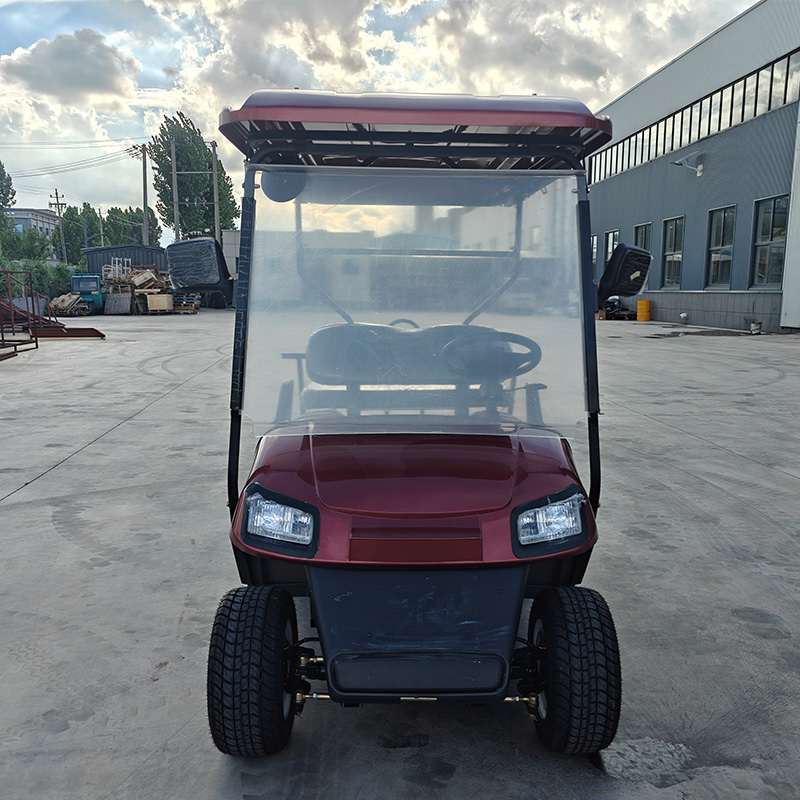
Even experienced buyers can make mistakes when selecting an electric golf cart vehicle. Avoiding a few common problems can improve purchasing decisions and reduce long-term costs.
Choosing Only by Initial Price
The lowest-priced cart may not offer the best overall value. Poor component quality, limited warranty coverage, expensive replacement batteries, or difficult access to spare parts can increase ownership costs.
Instead, compare the total cost of ownership and evaluate the vehicle’s suitability for its intended workload.
Ignoring Actual Driving Distance
Advertised range may not reflect real operating conditions. A cart carrying several passengers across hilly terrain may use more energy than one traveling short distances on flat pavement.
Estimate daily mileage and consider a reasonable reserve for unexpected trips.
Selecting the Wrong Passenger Capacity
A two-seat cart may be inexpensive, but it may be unsuitable for an operation that regularly transports four people. Repeated trips can reduce efficiency and increase staff workload.
On the other hand, a large passenger cart may be unnecessary for an individual operator.
Select the vehicle according to actual passenger demand and payload requirements.
Overlooking Charging Arrangements
Buyers sometimes select a vehicle before checking whether suitable charging facilities are available.
Confirm electrical capacity, charger compatibility, parking arrangements, and expected charging time before purchasing a fleet.
Assuming Every Cart Is Road Legal
Golf carts are not automatically approved for public-road use. Local regulations may restrict their speed, location, vehicle class, and required equipment.
Always confirm the applicable requirements before planning road travel.
Neglecting After-Sales Support
A vehicle can become difficult to operate if essential parts are unavailable. Before buying, verify warranty coverage, maintenance documentation, and access to technical assistance.
Avoiding these mistakes helps buyers choose an electric golf cart vehicle that delivers practical value rather than simply an attractive purchase price.
Future Trends in Electric Golf Cart Vehicles
The electric golf cart market continues to develop as manufacturers respond to changing expectations for comfort, efficiency, connectivity, and customization.
Battery technology remains an important area of development. Improvements in energy density, battery management, and charging systems may help manufacturers offer better performance and more convenient operation. Actual improvements will depend on the technology and model being introduced.
Digital displays and connected features are also becoming more relevant in some vehicle categories. Depending on the model, these may include battery-status monitoring, fleet tracking, diagnostic information, and maintenance reminders.
For commercial operators, fleet management systems can help identify vehicle locations, monitor usage, and schedule charging. These features may improve fleet coordination when several carts operate across a large property.
Design improvements can also support usability. Adjustable seating, improved storage, more practical dashboards, and weather-protection options can help electric golf carts serve a wider range of applications.
Sustainability will remain an important consideration. Buyers may increasingly examine battery recycling, energy efficiency, material durability, and the availability of replacement components when comparing products.
However, new technology should be evaluated carefully. Advanced features can increase the initial purchase price and may not be necessary for every application.
A buyer who operates one cart occasionally may prefer a simple and affordable model. A large resort or industrial property may benefit from advanced monitoring and fleet management.
The most suitable electric golf cart vehicle is therefore the one that meets current operating requirements while providing a reasonable path for future maintenance and upgrades.
If you need electric tricycles or other services, please contact us!
Email: lyf18265443311@gmail.com
WhatsApp: +86 15853422441
WhatsApp: +86 18265443311
Phone:+86 15853422441
Facebook: https://www.facebook.com/people/NengFu-New-Energy-Vehicle/61577819953210/
Youtube: https://www.youtube.com/@Cargo-car/shorts
Conclusion
Electric Golf Cart Vehicle for Affordable Green Mobility represents a practical approach to short-distance transportation for golf courses, resorts, residential communities, farms, warehouses, and commercial properties. By combining electric power with a compact design, these vehicles can provide convenient transportation while potentially reducing energy expenses, routine maintenance requirements, and local exhaust emissions.
However, the best purchasing decision requires more than selecting the least expensive model. Buyers should compare battery technology, driving range, passenger capacity, payload, charging arrangements, build quality, warranty coverage, and after-sales support.
Understanding the total cost of ownership is particularly important. Electricity consumption, maintenance, battery replacement, charging infrastructure, and expected service life all influence the long-term value of an electric golf cart vehicle.
Different applications also require different configurations. Two-seat carts may be suitable for personal transportation, four-seat models can support hospitality operations, and utility carts can help move equipment around suitable commercial and agricultural properties.
Safety and regulatory compliance must remain part of the purchasing process. Operators should follow manufacturer instructions, respect passenger and payload limits, maintain the vehicle regularly, and confirm whether the selected model is approved for its intended operating environment.
For buyers seeking economical and environmentally responsible local transportation, an electric golf cart vehicle can be a valuable investment when carefully matched to daily needs. By comparing complete specifications, evaluating reliable suppliers, and planning for long-term maintenance, individuals and organizations can make more informed decisions and achieve better value from their electric mobility solutions.
Ultimately, Electric Golf Cart Vehicle for Affordable Green Mobility is about choosing a vehicle that combines affordability, practical performance, responsible energy use, and dependable operation.
FAQ
What Is an Electric Golf Cart Vehicle for Affordable Green Mobility?
An electric golf cart vehicle for affordable green mobility is a battery-powered vehicle designed for economical short-distance transportation. It can carry passengers, move light cargo, or support daily operations at golf courses, resorts, residential communities, farms, and commercial properties. Its main advantages may include lower energy costs, quiet operation, and reduced routine maintenance compared with some fuel-powered alternatives.
How Much Does It Cost to Operate an Electric Golf Cart Vehicle?
Operating costs depend on electricity prices, daily mileage, battery capacity, charging efficiency, maintenance requirements, and battery replacement expenses. Electricity costs for short-distance operation can be relatively low, but buyers should also account for tires, brakes, inspections, repairs, and eventual battery replacement. Calculating the total cost of ownership provides a more complete picture than comparing energy expenses alone.
Which Battery Is Better for an Electric Golf Cart Vehicle?
Lead-acid and lithium-ion batteries both have advantages. Lead-acid batteries may offer a lower initial purchase price, while lithium-ion batteries can provide lower weight, reduced routine battery maintenance, and longer cycle life in suitable applications. The best option depends on the budget, operating frequency, required range, charging arrangements, warranty, and expected ownership period.
Can an Electric Golf Cart Vehicle Be Used Outside Golf Courses?
Yes. Depending on the model and operating conditions, electric golf cart vehicles can be used at resorts, hotels, campuses, warehouses, farms, gated communities, and large commercial properties. Passenger carts are suitable for moving people, while utility configurations can carry tools and light cargo. Buyers should verify payload limits, terrain suitability, safety equipment, and local operating regulations before use.
How Can Buyers Choose the Best Electric Golf Cart Vehicle for Affordable Green Mobility?
Buyers should begin by identifying the primary application, expected passenger or cargo load, daily driving distance, and terrain. They should then compare battery capacity, driving range, charging time, build quality, safety features, warranty coverage, and supplier support. Evaluating the total cost of ownership and confirming compliance with applicable regulations can help buyers select an affordable electric golf cart vehicle that delivers reliable long-term value.