Introduction
Golf courses are designed to provide players with a relaxing, enjoyable, and memorable outdoor experience. From beautifully maintained fairways to carefully designed greens, every detail contributes to the overall quality of a golf facility. Transportation is another important factor that influences comfort, convenience, and operational efficiency. This is why electric 4 wheelers for golf courses for premium comfort are becoming an increasingly valuable choice for golf clubs, resorts, private estates, and commercial golf facilities.
Electric 4 wheelers for golf courses for premium comfort combine smooth electric power, stable four-wheel construction, comfortable seating, and practical transportation features. They help golfers move between holes without unnecessary physical effort while allowing golf course employees to transport equipment, assist guests, and complete daily tasks more efficiently. Compared with traditional gasoline-powered vehicles, electric four-wheelers can also provide quieter operation and reduced local exhaust emissions, making them suitable for peaceful outdoor environments.
As expectations for golf course experiences continue to rise, golf facilities need transportation solutions that balance comfort, reliability, appearance, and long-term operating costs. Electric 4 wheelers for golf courses for premium comfort can support these goals by offering a modern driving experience and adaptable configurations for different applications.
Whether a golf course serves professional players, casual visitors, families, or luxury resort guests, choosing the right electric four-wheeler can make daily transportation easier. Features such as ergonomic seats, responsive controls, reliable batteries, effective braking systems, and durable construction all contribute to a better experience.
This article explores the advantages, essential features, applications, purchasing considerations, maintenance requirements, and future development of electric 4 wheelers for golf courses for premium comfort. Understanding these factors can help golf course operators select suitable vehicles that improve guest satisfaction while supporting efficient facility management.
What Are Electric 4 Wheelers for Golf Courses for Premium Comfort?
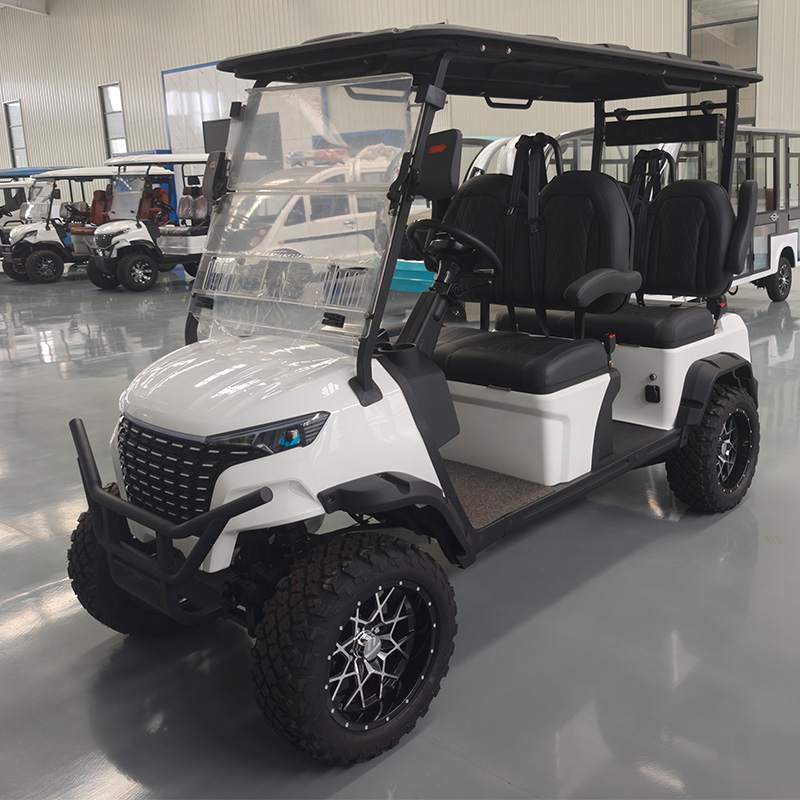
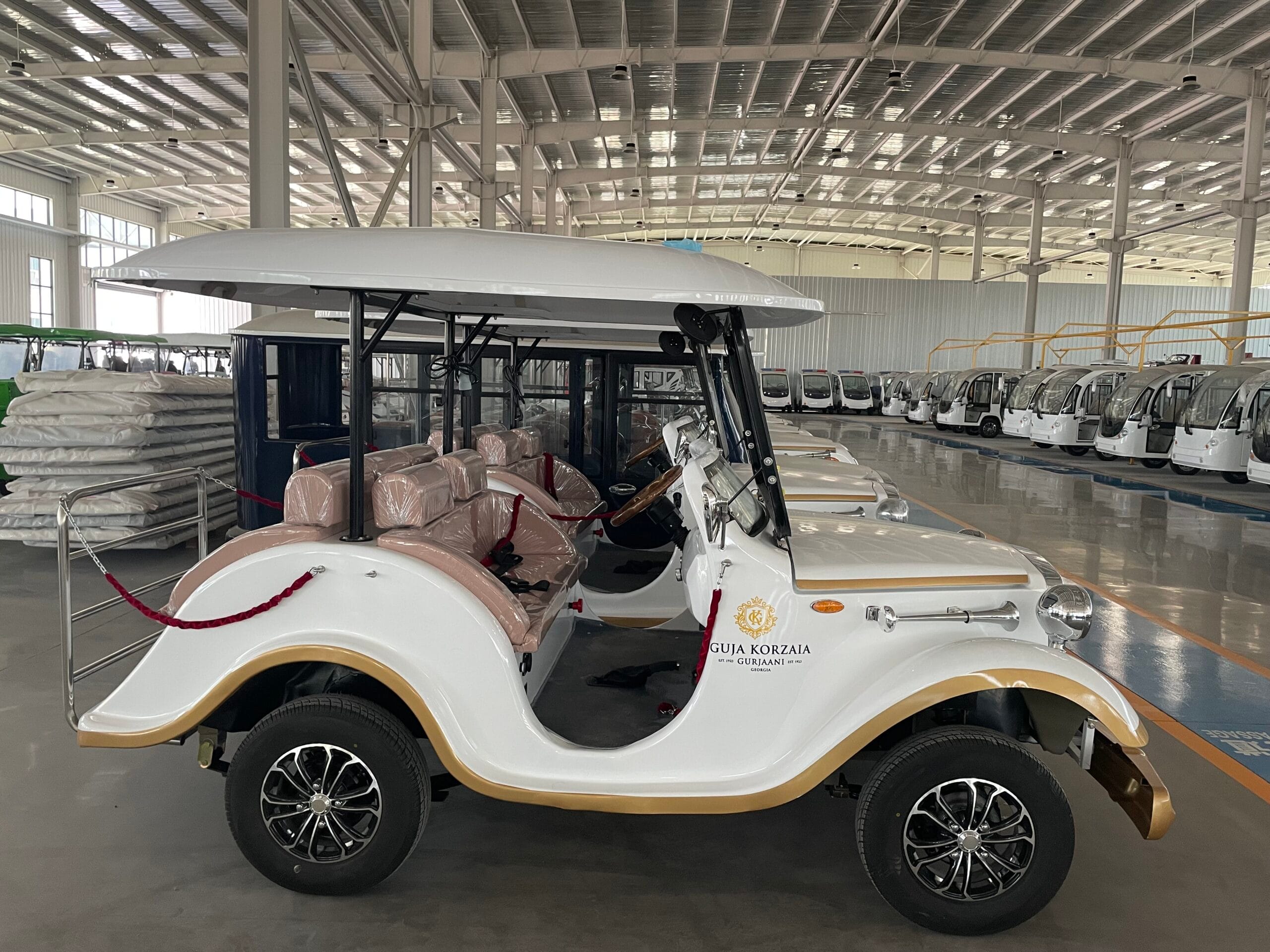
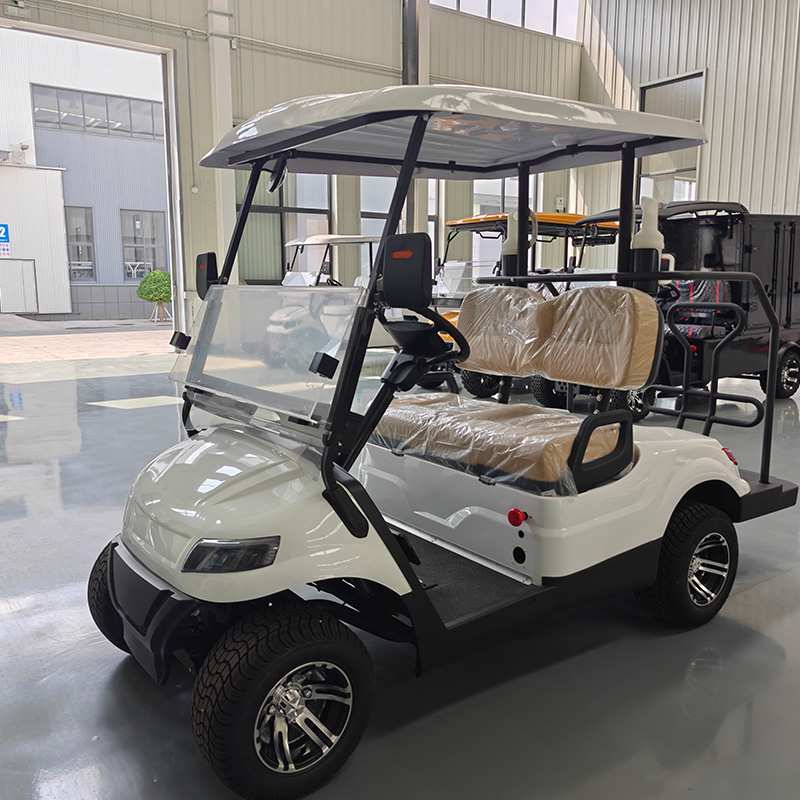
Electric 4 wheelers for golf courses for premium comfort are four-wheel electric vehicles designed to transport golfers, staff, equipment, and other necessary items around golf facilities. They typically use rechargeable battery systems to power an electric motor, delivering quiet acceleration and convenient low-speed transportation.
Unlike conventional golf carts that may have limited seating or basic equipment configurations, premium comfort models can include upgraded seats, spacious footwells, improved suspension, weather protection, storage compartments, and other features intended to enhance usability.
The exact configuration depends on the vehicle model and intended application. Some vehicles prioritize passenger transportation, while others focus on carrying golf bags, maintenance supplies, or operational equipment.
Electric 4 wheelers for golf courses for premium comfort are particularly useful on large properties where walking between facilities can consume valuable time. They also help golf clubs provide more accessible transportation for guests who prefer not to walk long distances.
Main Components of Electric Four-Wheelers
A well-designed electric four-wheeler includes several major systems that work together to provide comfortable and dependable transportation.
| Component | Primary Function | Benefit for Golf Courses |
|---|---|---|
| Electric motor | Converts electrical energy into movement | Provides smooth, quiet acceleration |
| Rechargeable battery | Stores energy for vehicle operation | Supports routine transportation |
| Four-wheel chassis | Supports the vehicle and passengers | Helps provide balanced handling |
| Suspension system | Absorbs some road and surface irregularities | Improves ride comfort |
| Seating system | Supports the driver and passengers | Reduces discomfort during longer trips |
| Braking system | Controls and stops the vehicle | Supports safe operation |
| Steering system | Allows directional control | Helps drivers navigate course paths |
| Lighting system | Improves visibility in appropriate conditions | Supports practical facility transportation |
| Storage area | Holds golf bags or operational supplies | Improves convenience |
| Charging system | Restores battery energy | Supports daily fleet management |
These components should be evaluated together rather than independently. A powerful motor does not automatically produce a comfortable ride, and attractive seating cannot compensate for inadequate braking or poor vehicle stability.
When evaluating electric 4 wheelers for golf courses for premium comfort, buyers should consider how each component contributes to the intended application.
Why Premium Comfort Matters on Golf Courses
Comfort is an important part of the overall golf experience. Players often spend several hours on a course, and transportation between holes can influence how relaxed they feel throughout the game.
Electric 4 wheelers for golf courses for premium comfort help reduce the physical effort required to travel across large properties. They also give golf clubs an opportunity to create a more professional and welcoming environment.
A Better Experience for Golfers
Golfers visit courses for recreation, exercise, social interaction, and relaxation. Convenient transportation helps them focus on the game instead of worrying about long distances between holes.
Comfortable seating, accessible controls, and smooth acceleration can make a significant difference during repeated trips. Passengers may appreciate supportive backrests, sufficient legroom, and a layout that makes entering and leaving the vehicle easier.
For premium clubs, the transportation experience should complement the quality of the clubhouse, restaurant, practice facilities, and course design. Electric 4 wheelers for golf courses for premium comfort can support this goal by providing a consistent and pleasant way to travel around the property.
Reduced Noise During Play
Golf courses depend on a calm atmosphere. Loud vehicle engines can disturb conversations, interfere with concentration, and reduce the peaceful feeling that many visitors expect.
Battery-powered electric vehicles generally operate more quietly than comparable gasoline-powered vehicles. Although electric motors and tires still produce some sound, their lower operating noise can make them suitable for environments where quiet transportation is desirable.
Electric 4 wheelers for golf courses for premium comfort can help staff move between locations while minimizing unnecessary noise. This is especially valuable near putting greens, practice areas, hospitality buildings, and residential properties adjoining a course.
Convenient Transportation for Different Visitors
Not every golfer has the same mobility, endurance, or transportation preferences. Some visitors enjoy walking, while others prefer assistance because of age, temporary discomfort, limited stamina, or the layout of the property.
Electric four-wheelers can make transportation more convenient when configured and operated appropriately. Golf course managers should consider passenger access, seating height, handholds, and the ease of entering and exiting the vehicle.
Accessibility requirements vary by location and vehicle design. Operators should not assume that every golf cart or electric four-wheeler is suitable for every passenger. Selecting the appropriate configuration is essential for meeting individual needs.
Key Features of Electric 4 Wheelers for Golf Courses for Premium Comfort
The best electric 4 wheelers for golf courses for premium comfort combine passenger comfort with practical performance. Before making a purchase, buyers should identify which features are essential for their property and which are optional upgrades.
Ergonomic Seating and Spacious Interiors
Seating is one of the most noticeable elements of passenger comfort. Poorly designed seats can make even a short trip unpleasant, especially when passengers repeatedly travel between the clubhouse, parking area, practice facilities, and course entrances.
Premium models may offer contoured seat cushions, supportive backrests, durable upholstery, and layouts designed to provide sufficient space for occupants.
A spacious interior can also make it easier to carry personal items without interfering with passenger movement. Golf clubs should examine seat dimensions, passenger capacity, footwell clearance, and the accessibility of controls.
When testing electric 4 wheelers for golf courses for premium comfort, operators should evaluate seating under realistic conditions rather than relying exclusively on product photographs.
Suspension and Ride Quality
Golf course paths can include paved sections, compacted gravel, grass, slopes, and other uneven surfaces. Suspension design and tire selection influence how these surfaces feel to passengers.
A suitable suspension system can help absorb some impacts and reduce excessive vibration. However, performance depends on vehicle weight, tire pressure, suspension geometry, load distribution, and surface conditions.
Golf course managers should identify the terrain that vehicles will encounter most frequently. A vehicle designed mainly for smooth paved routes may not provide the same comfort on rough maintenance paths.
Electric 4 wheelers for golf courses for premium comfort should be tested on representative routes before a large fleet purchase whenever possible.
Smooth Electric Acceleration
Electric motors can deliver responsive power without the shifting behavior associated with many conventional combustion-engine vehicles. This can create a smooth driving experience when the motor controller and acceleration settings are properly configured.
For golf course use, predictable acceleration is often more important than maximum speed. Drivers need to move gradually near golfers, navigate narrow paths, and maintain control when starting on inclines.
A well-matched motor and controller can help the vehicle move smoothly under normal operating loads. Buyers should ask manufacturers about rated power, torque characteristics, speed settings, load capacity, and performance on slopes.
Weather Protection and Canopies
Outdoor transportation exposes passengers to sunlight, rain, wind, and changing temperatures. A canopy can provide shade and improve comfort during sunny conditions, while selected models may support additional enclosures or protective accessories.
Depending on the configuration, available options may include a roof, windshield, side curtains, rain covers, or enclosed passenger compartments.
Golf facilities in regions with frequent rain may benefit from weather protection that is easy to clean, maintain, and operate. However, buyers should confirm whether optional enclosures affect visibility, ventilation, vehicle dimensions, or permitted operating conditions.
Electric 4 wheelers for golf courses for premium comfort can be configured for different climates, but the most appropriate package depends on local weather and the course’s daily operating schedule.
Practical Storage and Golf Equipment Capacity
A golf vehicle should accommodate its intended cargo without compromising stability or passenger space. Golf bags, towels, drinks, small tools, and other accessories may need dedicated storage areas.
Some vehicles provide rear bag holders, under-seat storage, cargo platforms, or separate compartments. Staff-oriented models may include larger load areas for maintenance equipment and supplies.
Before purchasing, operators should verify the rated payload and the specific equipment that can be carried. Overloading can affect braking, handling, tire wear, and overall safety.
| Comfort or Utility Feature | Standard Configuration | Premium Configuration |
|---|---|---|
| Seating | Basic cushioned seats | More supportive seating materials and design |
| Ride quality | Standard suspension | Suspension tuned for improved comfort |
| Weather protection | Basic roof or canopy, depending on model | Additional protection options |
| Storage | Limited storage space | Dedicated compartments or upgraded cargo fittings |
| Controls | Conventional operating layout | More ergonomic control placement |
| Passenger access | Standard entry | Potentially improved handholds and access features |
| Interior finish | Functional materials | Upgraded finishes, subject to model |
| Lighting | Basic lighting, if equipped | Additional lighting options, where available |
The distinction between standard and premium features varies by manufacturer. Buyers should confirm specifications instead of assuming every premium model includes the same equipment.
Benefits of Electric 4 Wheelers for Golf Courses for Premium Comfort
Golf course operators evaluate vehicles based on more than appearance. Transportation equipment must support everyday operations, satisfy visitors, and remain practical to own over time.
Quiet and Comfortable Operation
One major advantage of electric 4 wheelers for golf courses for premium comfort is their suitability for environments where low noise is desirable.
Electric powertrains typically avoid the engine noise and exhaust produced by gasoline-powered vehicles during operation. This can improve the atmosphere for players and staff, particularly during early morning rounds or busy tournament days.
Quiet operation can also make communication between staff members and passengers easier. Although noise levels vary by vehicle, tire, and surface, electric models generally provide a useful option for noise-sensitive properties.
Potentially Lower Routine Energy Costs
Electric vehicles use electricity rather than gasoline or diesel. Depending on local electricity prices, fuel costs, driving patterns, and vehicle efficiency, charging can cost less per kilometer than fueling a comparable combustion-powered vehicle.
Actual savings depend on usage and operating conditions. Golf clubs should compare energy consumption, electricity tariffs, battery capacity, and the number of trips each vehicle completes.
A fleet that travels short distances throughout the day may have different operating economics from one that carries heavy loads across hilly terrain.
Electric 4 wheelers for golf courses for premium comfort can therefore be attractive for facilities seeking predictable daily transportation costs, provided the total ownership calculation supports the investment.
Reduced Local Exhaust Emissions
Battery-electric vehicles produce no tailpipe exhaust while driving. This can help reduce local exhaust emissions around clubhouses, guest areas, and course paths.
Their total environmental impact also depends on electricity generation, battery manufacturing, vehicle production, and battery end-of-life management. Nevertheless, replacing gasoline-powered vehicles with suitable electric alternatives can support a golf facility’s broader environmental objectives.
Golf clubs that promote responsible resource management may find electric transportation consistent with other initiatives, such as efficient irrigation, habitat protection, waste reduction, and energy conservation.
Flexible Use Across the Property
Electric four-wheelers can serve several purposes beyond transporting golfers. Depending on their design and permitted use, they may be used for guest services, employee transportation, light cargo movement, or selected maintenance activities.
A single vehicle configuration may not be ideal for every task. Passenger models, cargo models, and utility vehicles should be selected according to their rated capacity and operating requirements.
Electric 4 wheelers for golf courses for premium comfort are most effective when the fleet is organized around clear responsibilities. This prevents passenger vehicles from being overloaded with equipment or used for tasks that exceed their intended capabilities.
Improved Brand Presentation
The appearance of transportation vehicles contributes to the impression visitors form about a golf facility. Clean, modern, well-maintained vehicles can support a professional image.
Some manufacturers offer different body colors, seat materials, roof designs, wheels, logos, or other customization options. Golf clubs can select a consistent fleet appearance that matches their branding.
However, appearance should never replace practical considerations. Vehicle safety, durability, comfort, service support, and long-term operating costs remain essential when evaluating electric 4 wheelers for golf courses for premium comfort.
Applications in Different Golf Course Environments
Golf courses differ in size, terrain, customer expectations, and daily workload. The best electric vehicle configuration depends on how the property operates.
Private Golf Clubs
Private clubs often emphasize convenience, consistent service, and an exclusive atmosphere. Electric four-wheelers with comfortable seats, attractive finishes, and reliable performance can complement these priorities.
Vehicles may be used to transport members, assist guests who require additional mobility support, or move equipment between designated locations.
Clubs should assess the expected number of passengers, route distances, and peak demand periods. A carefully planned fleet can reduce waiting times and help staff provide more consistent service.
Luxury Golf Resorts
Resort properties may include hotels, restaurants, spas, conference spaces, and recreational areas spread across a large site. Electric 4 wheelers for golf courses for premium comfort can support guest transportation between these facilities when the vehicle configuration and route permissions are appropriate.
Weather protection, comfortable seating, storage, and an attractive exterior may be particularly important in hospitality settings.
Resorts should also consider passenger luggage, nighttime visibility, cleaning requirements, and how vehicles fit into the wider guest transportation system.
Public Golf Courses
Public courses often need to balance affordability with dependable performance. Vehicles may experience frequent use, different driver skill levels, and varied passenger loads.
For these facilities, durable materials, simple controls, readily available replacement parts, and manageable maintenance requirements can be especially valuable.
Premium comfort does not always require the most expensive configuration. A thoughtfully selected model with reliable seats, appropriate suspension, and practical storage may deliver a better overall result than a vehicle loaded with rarely used options.
Tournament and Event Facilities
Golf tournaments create periods of unusually high transportation demand. Staff may need to move officials, guests, equipment, refreshments, or supplies between designated areas.
Electric vehicles can help organize these movements while minimizing engine noise around playing areas.
Event planners should develop clear traffic routes, designate authorized drivers, and separate pedestrian areas from vehicle movement where practical. They should also confirm that battery charge levels, passenger capacity, and vehicle availability can support the event schedule.
Golf Course Maintenance Operations
Maintenance teams regularly transport tools, materials, and supplies. Although premium passenger comfort may be less important for some maintenance tasks, electric utility vehicles can provide quiet and convenient movement around suitable routes.
The vehicle must be rated for the required payload and terrain. Equipment should be secured properly, and staff should avoid placing heavy items in passenger areas unless the manufacturer permits that use.
Golf course managers can create a mixed fleet that includes comfortable passenger vehicles and dedicated utility models. This approach helps ensure that electric 4 wheelers for golf courses for premium comfort remain available for the tasks they are best equipped to perform.
How to Choose the Right Electric 4 Wheelers for Golf Courses for Premium Comfort
Selecting a suitable vehicle requires a structured evaluation of operational needs, technical specifications, and ownership costs.
Define the Primary Purpose
Start by identifying the main role of each vehicle. Will it transport golfers, carry staff, move equipment, or support hospitality services?
The answer determines the necessary passenger capacity, cargo space, seating configuration, and performance requirements.
A vehicle intended for guest transportation may prioritize comfortable seats and weather protection. A utility model may require a larger cargo platform and a stronger load rating.
Avoid selecting a vehicle based only on its marketing category. Confirm that its design matches the work it will perform.
Evaluate Passenger Capacity
Passenger capacity affects comfort, efficiency, and safe operation. A vehicle that carries too many people may provide insufficient legroom and exceed its rated limits.
Golf course managers should estimate typical and peak passenger demand. They should also consider whether guests travel with golf bags or other personal belongings.
If several vehicle configurations are available, compare seat dimensions and usable storage space rather than looking only at the advertised passenger count.
Electric 4 wheelers for golf courses for premium comfort should provide sufficient space for their intended occupants without compromising stability or load limits.
Check Battery Capacity and Driving Range
Battery capacity influences how long a vehicle can operate between charging sessions. However, advertised range is not always the range a vehicle will achieve in daily service.
Actual range can be affected by terrain, total load, driving style, temperature, tire condition, battery age, and accessory use.
Golf clubs should estimate the distance traveled per day and include a reasonable operating reserve. If vehicles operate throughout the day, charging schedules and spare vehicle availability should be considered.
Ask the manufacturer for range information under conditions similar to the course’s expected use. Clarify whether quoted figures come from standardized testing or real-world operation.
Compare Motor Performance
The motor should provide enough power for the vehicle’s rated load and the course’s terrain. Flat properties may have different requirements from courses with frequent inclines or uneven service paths.
Buyers should examine rated motor power, controller specifications, permitted maximum speed, load limits, and slope performance.
A higher motor rating does not automatically mean a better vehicle. The most appropriate choice is a balanced system that delivers predictable acceleration, adequate hill performance, and suitable energy consumption.
Review Safety Equipment
Safety should be a primary purchasing criterion. Depending on the vehicle, relevant features may include service brakes, parking brakes, seat belts, headlights, indicators, mirrors, reverse warnings, and speed-limiting functions.
The exact requirements depend on the model, location, intended route, and whether the vehicle operates exclusively on private property or on public roads.
Golf course managers should also examine stability, visibility, tire condition, steering response, and the quality of the operator controls.
Do not assume that a golf course vehicle is approved for public-road use. Confirm the relevant classification, registration requirements, insurance requirements, and applicable local rules before operating it beyond the property.
Consider Service and Replacement Parts
Even a well-designed vehicle requires maintenance. Battery systems, tires, brakes, steering components, suspension parts, and electrical connections need periodic inspection.
A reliable supplier should provide clear maintenance guidance, replacement-part availability, warranty information, and access to technical support.
Before ordering electric 4 wheelers for golf courses for premium comfort, ask how warranty claims are handled and whether authorized technicians are available in the operating region.
A vehicle with an attractive purchase price may become expensive if essential parts are difficult to obtain or repairs take too long.
Compare the Total Cost of Ownership
Purchase price is only one part of the financial decision. Golf clubs should evaluate energy, maintenance, battery replacement, insurance where applicable, charging equipment, downtime, and expected service life.
A total cost of ownership comparison provides a more useful basis for decision-making than the initial price alone.
| Cost Category | Questions to Ask | Why It Matters |
|---|---|---|
| Purchase price | What equipment is included? | Establishes the initial investment |
| Charging costs | What is the expected electricity use? | Helps estimate routine energy expenses |
| Battery replacement | What is the expected service life under intended use? | Identifies a potentially significant future cost |
| Maintenance | Which inspections and parts are required? | Influences recurring expenses |
| Repairs | Are parts and technicians readily available? | Affects downtime |
| Charging infrastructure | Are additional chargers or electrical upgrades needed? | Determines setup costs |
| Warranty | Which parts and periods are covered? | Clarifies financial protection |
| Resale value | Is there a used-vehicle market? | May affect long-term ownership costs |
A detailed comparison helps determine whether electric 4 wheelers for golf courses for premium comfort offer good value for a particular facility.
Battery and Charging Considerations
The battery is one of the most important components of an electric vehicle. It affects range, charging time, performance, and long-term operating costs.
Understand Battery Chemistry
Electric golf vehicles may use different battery technologies, including lead-acid and lithium-ion systems. The most suitable option depends on purchase budget, usage frequency, maintenance preferences, charging requirements, and manufacturer support.
Lead-acid batteries may have a lower initial purchase cost, but some types require more routine maintenance and may be heavier. Lithium-ion batteries often offer advantages in weight, charging flexibility, and usable energy, although the actual benefits depend on the battery system and its controls.
Golf clubs should compare complete battery specifications rather than relying on chemistry alone.
Plan Charging Around Daily Operations
Charging arrangements should reflect the vehicle’s daily schedule. Vehicles that return to a depot overnight may have different requirements from those that operate continuously during tournaments or busy weekends.
Managers should determine where vehicles will be parked, how charging cables will be managed, and whether the electrical supply can support the planned number of chargers.
Charging equipment must be compatible with the vehicle and installed according to the manufacturer’s instructions and applicable electrical requirements.
A practical charging plan can reduce interruptions and help staff keep electric 4 wheelers for golf courses for premium comfort ready for service.
Monitor Battery Condition
Battery performance can decline over time. Operators should follow the manufacturer’s guidance for charging, storage, inspection, and temperature management.
Staff should report unusual charging behavior, warning indicators, visible damage, or unexpected reductions in range. Damaged battery systems should be assessed by qualified personnel rather than repaired through improvised methods.
A basic fleet record can track vehicle mileage, charging patterns, service dates, and battery-related issues. These records help managers identify recurring problems and make better replacement decisions.
Maintenance Tips for Long-Term Performance
Regular maintenance protects vehicle reliability and helps preserve passenger comfort. A consistent maintenance program also reduces the likelihood that small issues will develop into expensive repairs.
Inspect Tires and Wheels
Tires influence grip, rolling resistance, stability, and ride quality. Operators should inspect them for visible damage, uneven wear, and incorrect pressure.
Tire pressure should follow the manufacturer’s recommendations, taking the specified tire type and vehicle load into account. Incorrect pressure can affect handling and comfort.
Wheel fasteners and related components should be checked according to the maintenance schedule. Any unusual vibration or steering behavior should be investigated promptly.
Check Brakes and Steering
Brakes and steering systems are essential to safe vehicle operation. Staff should pay attention to unusual sounds, changes in stopping behavior, loose steering, or warning indicators.
Inspection intervals should follow the vehicle manufacturer’s guidance and may need to reflect how frequently the fleet operates.
Vehicles with suspected brake or steering problems should be removed from service until they have been checked and approved for use by a qualified technician.
Clean Seats and Interior Surfaces
Passenger comfort depends partly on cleanliness. Golf course vehicles may collect grass, soil, dust, rainwater, sunscreen residue, and food or drink spills.
Seats and interior surfaces should be cleaned with products compatible with their materials. Operators should avoid harsh chemicals that may damage upholstery, protective coatings, or electrical components.
A cleaning schedule is especially important for hospitality fleets and vehicles shared by many guests.
Inspect Electrical Connections
Electrical connections, charging ports, cables, lights, and controls should be checked periodically. Corrosion, loose connections, and physical damage may affect performance.
Cleaning and maintenance procedures must follow manufacturer instructions. Staff should not open high-voltage battery systems or attempt repairs beyond their training.
Maintain Accurate Service Records
Every vehicle should have an identifiable maintenance history. Records can include inspections, repairs, battery replacements, tire changes, and warranty work.
A maintenance log helps fleet managers plan service appointments and identify models that experience repeated problems.
| Maintenance Task | Suggested Approach | Main Benefit |
|---|---|---|
| Tire inspection | Check pressure and visible condition regularly | Supports handling and ride quality |
| Brake inspection | Follow the manufacturer’s service schedule | Helps maintain stopping performance |
| Steering inspection | Check for unusual looseness or response | Supports predictable control |
| Battery inspection | Follow approved battery-care procedures | Helps identify developing issues |
| Seat and interior cleaning | Clean according to usage frequency | Maintains passenger comfort |
| Lighting inspection | Check lights and indicators where fitted | Supports visibility |
| Fastener inspection | Follow specified service intervals | Helps identify loose components |
| Record keeping | Log inspections and repairs | Improves fleet planning |
Maintenance requirements differ between vehicle models. The manufacturer’s service manual should always take priority over generic recommendations.
Customization Options for Premium Golf Course Transportation
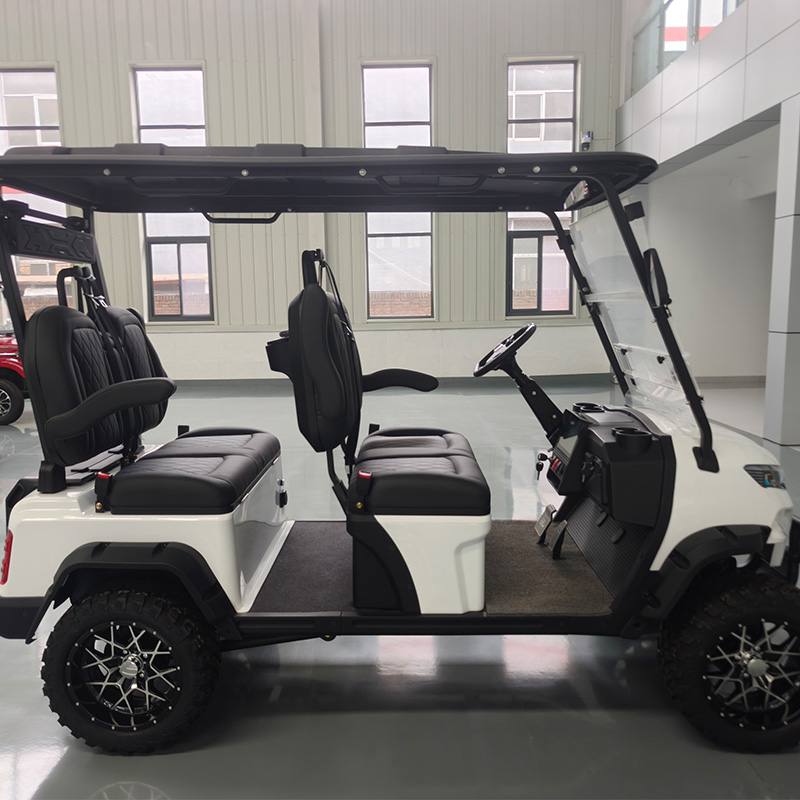
Customization allows golf clubs to align vehicles with operational needs and brand presentation. However, modifications should be approved by the manufacturer and should not compromise safety, handling, or compliance.
Exterior Colors and Branding
Golf clubs may prefer vehicles in colors that match their visual identity. Custom body panels, logos, or approved decals can create a consistent fleet appearance.
Branding should remain clear without obstructing required labels, lights, reflectors, or the driver’s visibility.
Seating and Interior Finishes
Seat materials and colors can influence appearance, cleaning requirements, and comfort. For facilities with heavy daily use, durable and easy-to-clean materials may be more practical than delicate finishes.
Seat upgrades should preserve appropriate support and comply with the vehicle’s passenger and safety specifications.
Weather Accessories
Canopies, windshields, and selected protective enclosures can improve usability in different climates. Golf course managers should choose accessories suitable for their operating environment.
Accessories should be compatible with the vehicle’s design. Improvised roof extensions, excessive loads, or unapproved enclosures may affect stability and visibility.
Storage and Utility Accessories
Depending on the model, possible accessories include golf bag holders, cargo racks, cup holders, storage compartments, and approved equipment mounts.
The key is to choose accessories that improve daily convenience without exceeding payload limits or interfering with passenger movement.
Electric 4 wheelers for golf courses for premium comfort can be tailored to different operating styles, but customization should always support the vehicle’s primary function.
Common Purchasing Mistakes to Avoid
Even experienced fleet managers can overlook important details when purchasing electric transportation vehicles. Avoiding common mistakes can reduce long-term costs and improve the user experience.
Choosing Based Only on Price
A low purchase price can be attractive, but it does not necessarily indicate good value. Buyers should consider battery quality, durability, warranty support, comfort, and parts availability.
A slightly more expensive vehicle may provide better value if it operates reliably and requires fewer unplanned repairs.
Ignoring Real-World Terrain
A vehicle that performs well on flat pavement may not be suitable for a hilly property or rough service paths.
Golf clubs should assess actual routes, including slopes, narrow paths, wet areas, and areas where pedestrians are common. Test-driving under representative conditions can reveal limitations that specifications alone may not show.
Overlooking Passenger Comfort
A vehicle can meet basic transportation needs yet still disappoint passengers if seating is cramped or the ride is uncomfortable.
Whenever possible, staff and representative users should evaluate the seating position, legroom, steering, visibility, entry height, and ride quality before a purchase.
Underestimating Charging Needs
Buying vehicles without planning charging infrastructure can create unnecessary downtime. Managers should calculate how many vehicles need charging at the same time and whether the existing electrical supply is sufficient.
A charging plan should include practical cable management, suitable parking arrangements, and clear staff procedures.
Failing to Verify Local Requirements
Rules governing low-speed electric vehicles vary between jurisdictions. Some vehicles are intended for private property only, while others may qualify for specific public-road use under applicable regulations.
Before purchasing, confirm whether registration, insurance, operator licensing, safety equipment, or other requirements apply to the intended use.
Neglecting After-Sales Support
Limited service support can turn a minor repair into an extended operational problem. Buyers should ask suppliers about response times, spare-part availability, warranty exclusions, and technical documentation.
These factors are especially important for golf facilities that depend on a fleet to support daily guest services.
Environmental and Operational Value
Golf courses occupy substantial outdoor areas and often operate within landscapes that require careful environmental management. Transportation choices are one part of a broader sustainability strategy.
Electric 4 wheelers for golf courses for premium comfort can help reduce local exhaust emissions and vehicle noise during operation. Their suitability depends on the fleet’s actual energy consumption, electricity source, usage patterns, and lifecycle impacts.
Supporting a Quieter Outdoor Environment
Reducing engine noise can help preserve a relaxing atmosphere for golfers, staff, and nearby visitors. Quiet transportation is particularly valuable when vehicles travel near playing groups or hospitality areas.
Operators should still establish speed limits and designated routes. Low noise does not eliminate the need for careful driving around pedestrians.
Improving Operational Efficiency
Electric vehicles can help staff complete transportation tasks without the need to visit a fuel station during routine operation. Charging can be integrated into a depot-based fleet schedule.
Efficiency gains depend on route planning, vehicle availability, charging arrangements, and staff procedures. Fleet managers can review daily usage data to identify underused vehicles and improve allocation.
Considering the Full Lifecycle
Environmental performance involves more than tailpipe emissions. Battery manufacturing, electricity generation, maintenance, and battery recycling or disposal also matter.
Golf clubs can improve their overall approach by selecting durable vehicles, maintaining batteries correctly, reducing unnecessary trips, and working with qualified suppliers for end-of-life battery handling.
A vehicle that remains reliable for a long time may reduce replacement demand and support more efficient resource use.
Future Trends in Electric 4 Wheelers for Golf Courses for Premium Comfort
Electric golf transportation continues to develop as battery systems, vehicle controls, materials, and fleet management tools improve.
More Efficient Battery Systems
Battery technology continues to evolve, with manufacturers working to improve energy density, charging performance, durability, and cost. The practical benefits available to golf clubs will depend on the specific product and its verified performance.
Future electric 4 wheelers for golf courses for premium comfort may offer more flexible charging options and improved range, but buyers should rely on documented specifications rather than general technology claims.
Better Comfort and Vehicle Design
Manufacturers may continue to improve seats, suspension systems, passenger access, storage, and weather protection. More ergonomic layouts can help make routine transportation more comfortable for drivers and passengers.
Design improvements may also make cleaning and maintenance easier, which is valuable for fleets with frequent daily use.
Smarter Fleet Management
Digital fleet tools can help operators track vehicle location, charging status, maintenance schedules, and usage patterns where supported by the vehicle and software system.
These tools may help managers allocate vehicles more effectively and identify maintenance needs earlier.
However, connected features should be evaluated according to their actual benefits, compatibility, cost, and data management requirements.
Greater Customization
Golf clubs increasingly seek transportation options that reflect their brand and service model. Manufacturers may offer more seating configurations, approved accessories, body finishes, and equipment packages.
The best customization strategy is one that improves comfort and usefulness without adding unnecessary complexity.
Integrated Sustainability Planning
Electric transportation may become more closely integrated with wider property-management systems, including renewable electricity, energy-efficient buildings, and organized charging infrastructure.
Golf clubs can prepare by assessing their existing electrical capacity, expected fleet growth, and long-term maintenance arrangements.
These developments may expand the options available to facilities seeking electric 4 wheelers for golf courses for premium comfort.
If you need electric tricycles or other services, please contact us!
Email: lyf18265443311@gmail.com
WhatsApp: +86 15853422441
WhatsApp: +86 18265443311
Phone:+86 15853422441
Facebook: https://www.facebook.com/people/NengFu-New-Energy-Vehicle/61577819953210/
Youtube: https://www.youtube.com/@Cargo-car/shorts
Conclusion
Electric 4 wheelers for golf courses for premium comfort offer golf clubs, resorts, and recreational facilities a practical way to improve transportation while supporting a quieter and more comfortable outdoor environment. By combining electric power, four-wheel construction, ergonomic seating, and adaptable equipment options, these vehicles can make it easier for golfers and staff to move around a property.
The most suitable model depends on the facility’s size, terrain, passenger requirements, charging arrangements, and operating budget. Buyers should evaluate the complete vehicle rather than focusing on a single feature. Battery range, motor performance, suspension, safety systems, maintenance requirements, and after-sales service all influence long-term value.
Comfort should remain a central consideration, but it must be balanced with reliability, stability, appropriate capacity, and local compliance requirements. Golf clubs should also consider whether they need passenger vehicles, utility models, or a mixed fleet to support different daily activities.
By comparing specifications, conducting practical vehicle tests, planning charging infrastructure, and establishing regular maintenance procedures, golf course operators can make informed purchasing decisions.
Ultimately, electric 4 wheelers for golf courses for premium comfort can contribute to a better visitor experience and more organized facility operations. Choosing the right vehicle helps golf courses provide convenient transportation, maintain a professional image, and prepare for the evolving expectations of modern golfers.
FAQ
What Makes Electric 4 Wheelers for Golf Courses for Premium Comfort Different From Standard Golf Carts?
Electric 4 wheelers for golf courses for premium comfort emphasize a combination of four-wheel stability, passenger comfort, quiet electric operation, and practical features. Depending on the model, they may include more supportive seats, improved suspension, weather protection, additional storage, or upgraded interior finishes. Standard golf carts can also offer some of these features, so buyers should compare the actual specifications rather than relying on product labels alone.
How Far Can Electric 4 Wheelers for Golf Courses for Premium Comfort Travel on One Charge?
Driving range depends on battery capacity, vehicle weight, passenger and cargo loads, terrain, temperature, driving style, and battery condition. A vehicle operating on flat paths with light loads may achieve a different range from one used on hilly routes throughout a busy day. Golf course operators should request manufacturer range information, evaluate realistic daily distances, and maintain an operating reserve to reduce the risk of unexpected downtime.
Are Electric 4 Wheelers for Golf Courses for Premium Comfort Expensive to Maintain?
Maintenance costs vary by model, battery type, operating intensity, parts availability, and local labor rates. Electric vehicles do not require routine engine oil changes or exhaust-system servicing, but they still need tire, brake, steering, suspension, battery, and electrical-system inspections. Buyers should compare the total cost of ownership, including charging, repairs, battery replacement, and service support, instead of evaluating maintenance costs in isolation.
Can Electric 4 Wheelers for Golf Courses for Premium Comfort Be Used in Rainy Weather?
Some models can operate in light rain and may offer canopies, windshields, or approved weather accessories. However, weather resistance differs by vehicle, and a roof does not automatically make a vehicle suitable for heavy rain, flooding, or waterlogged paths. Operators should follow the manufacturer’s guidance, avoid unsafe conditions, and check the vehicle’s limitations before using it in wet weather.
How Should a Golf Course Choose the Best Electric 4 Wheelers for Golf Courses for Premium Comfort?
A golf course should begin by identifying its main transportation needs, passenger capacity, terrain, daily travel distance, and expected operating schedule. It should then compare battery performance, motor capability, seating comfort, safety equipment, charging requirements, warranty coverage, and replacement-part availability. Test-driving vehicles on representative routes and calculating total ownership costs can help managers select a reliable model that provides suitable comfort and long-term value.