Introduction
Modern city travel is changing as more people look for transportation that is practical, comfortable, efficient, and easy to use. Heavy traffic, limited parking, rising transportation costs, and the growing demand for flexible short-distance mobility have encouraged many riders to consider alternatives to traditional cars, motorcycles, and bicycles. Among these alternatives, electric tricycle bikes have become an increasingly useful option for everyday urban transportation.
Electric tricycle bikes combine electric motor assistance with a three-wheel structure. This combination can provide a comfortable riding experience while offering additional stability and useful carrying capacity. Unlike a traditional bicycle, electric tricycle bikes do not require the rider to maintain balance on only two wheels. At the same time, electric assistance can reduce the physical effort needed for starting, accelerating, climbing moderate slopes, and traveling longer distances.
For modern city travel, electric tricycle bikes can be used for commuting, shopping, family transportation, local deliveries, recreational riding, and neighborhood travel. Different electric tricycle bikes are designed for different purposes, so choosing the right configuration is important.
The best electric tricycle bikes for city travel should provide a practical balance between motor performance, battery capacity, comfort, safety, storage, maneuverability, and overall durability. A commuter may prioritize compact dimensions and battery efficiency, while a delivery operator may need a stronger frame and larger cargo area. A recreational rider may place greater importance on comfortable seating and smooth operation.
This article takes a detailed look at electric tricycle bikes and explains how they can support modern urban transportation. It covers the main advantages, important components, city applications, battery and motor considerations, comfort features, safety considerations, maintenance, and purchasing factors.
What Are Electric Tricycle Bikes?
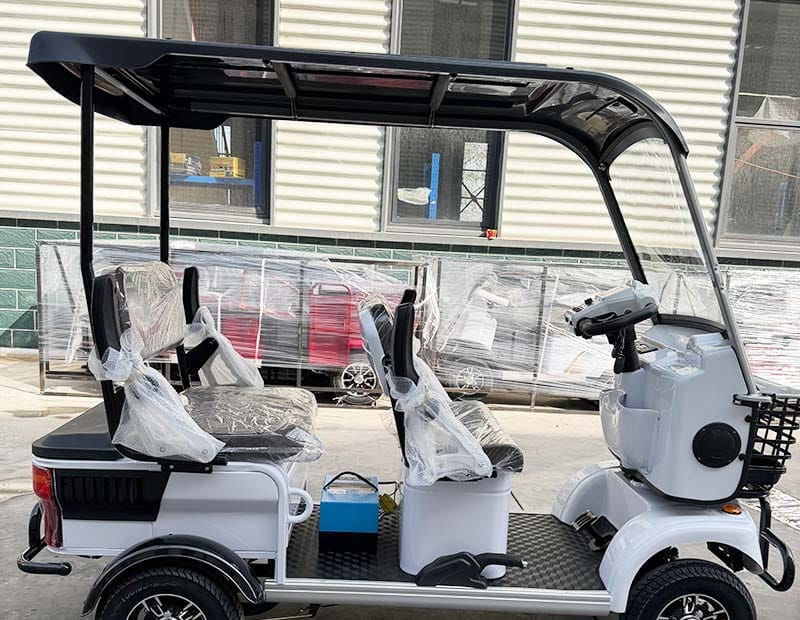
Electric tricycle bikes are three-wheel bicycles equipped with an electric motor and rechargeable battery. Depending on the design, riders may use pedals, electric assistance, or a combination of both. The three-wheel structure can provide a broader support base than a traditional two-wheel bicycle.
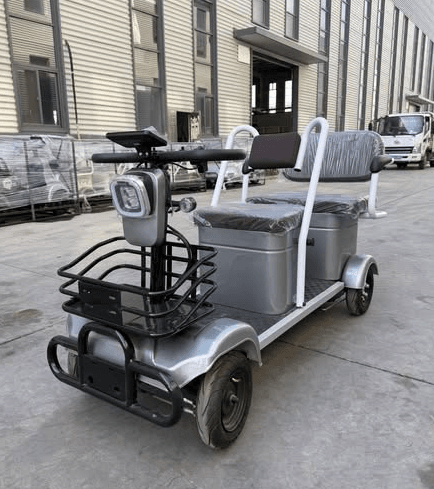
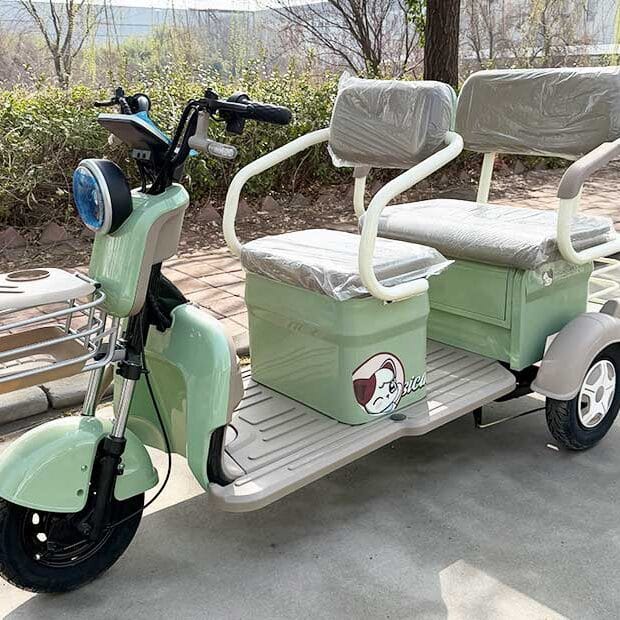
The basic components of electric tricycle bikes normally include a frame, three wheels, motor, battery, controller, brakes, handlebars, seat, pedals, lighting, and electrical wiring. Some electric tricycle bikes also include cargo boxes, baskets, passenger seats, roofs, suspension systems, or other specialized equipment.
Electric tricycle bikes can be divided into several general categories based on their intended use.
| Type of Electric Tricycle Bikes | Main Application | Typical Design Focus |
|---|---|---|
| Commuter electric tricycle | Daily city travel | Comfort and efficiency |
| Cargo electric tricycle | Goods transportation | Load capacity |
| Passenger electric tricycle | Family transportation | Seating and stability |
| Recreational electric tricycle | Leisure riding | Comfort and appearance |
| Utility electric tricycle | Local business use | Durability and flexibility |
| Compact electric tricycle | Urban mobility | Maneuverability and storage |
Because electric tricycle bikes are available in different configurations, buyers should identify their primary transportation requirements before selecting a specific model.
Why Electric Tricycle Bikes Are Useful for City Travel
City transportation often involves short and medium-distance journeys rather than long highway trips. People may travel to work, supermarkets, schools, markets, parks, community centers, or nearby businesses several times a day. Electric tricycle bikes can be suitable for many of these journeys.
Three-Wheel Stability
One of the most recognizable characteristics of electric tricycle bikes is their three-wheel design. Compared with a conventional bicycle, the additional wheel creates a different balance structure.
This can make electric tricycle bikes attractive to adults who prefer a stable riding platform. The three-wheel configuration can also be useful when carrying a small amount of cargo because the vehicle does not rely on the same two-wheel balance mechanism as a standard bicycle.
However, three-wheel vehicles still require proper handling. Riders should become familiar with turning, braking, accelerating, and riding on uneven surfaces before using electric tricycle bikes in busy urban environments.
Electric Assistance
Electric assistance is another major advantage of electric tricycle bikes. The motor can help reduce the physical effort required during everyday travel.
For example, riders may encounter:
- Hills and inclines
- Long commuting routes
- Frequent stops
- Heavy shopping bags
- Cargo loads
- Headwinds
- Repeated acceleration
With an appropriately matched motor and battery, electric tricycle bikes can make these situations easier to manage.
Practical Storage
Many electric tricycle bikes include baskets, rear cargo platforms, or enclosed storage compartments. This makes them particularly useful for shopping and everyday errands.
A rider can use electric tricycle bikes to carry groceries, packages, work equipment, personal belongings, or other suitable items without needing a separate vehicle.
Flexible Urban Transportation
Electric tricycle bikes can serve several transportation purposes with one vehicle. The same electric tricycle can potentially be used for commuting during the week, shopping on weekends, and recreational riding in the evening.
This flexibility is one reason electric tricycle bikes are increasingly considered for modern local transportation.
Key Features of the Best Electric Tricycle Bikes
Choosing electric tricycle bikes involves more than comparing their appearance. A good purchasing decision should consider the entire vehicle and how its components work together.
Motor Performance
The motor determines how much electric assistance an electric tricycle can provide. Motor performance can influence acceleration, climbing ability, and overall riding behavior.
The ideal motor depends on the intended application. Lightweight electric tricycle bikes used on flat urban roads may not require the same performance as cargo electric tricycle bikes used on hills.
When evaluating electric tricycle bikes, consider:
- Motor output
- Controller configuration
- Vehicle weight
- Rider weight
- Cargo weight
- Road conditions
- Terrain
- Expected speed
- Daily travel distance
Motor specifications should always be considered together with battery capacity. A powerful motor paired with an undersized battery may not provide the desired practical range.
Battery Capacity
Battery capacity is one of the most important specifications for electric tricycle bikes. The battery stores the electrical energy required by the motor and other electrical components.
A larger battery can provide more stored energy, but practical range depends on many factors.
| Range Factor | Effect on Electric Tricycle Bikes |
|---|---|
| Battery capacity | Determines available stored energy |
| Motor power | Influences energy consumption |
| Rider weight | Affects energy demand |
| Cargo weight | Can increase energy consumption |
| Terrain | Hills generally require more energy |
| Riding speed | Higher speeds can increase consumption |
| Weather | Wind and temperature may affect range |
| Tire pressure | Incorrect pressure can reduce efficiency |
Instead of selecting electric tricycle bikes based only on an advertised maximum range, buyers should consider their actual daily route.
Frame Strength
The frame is the foundation of electric tricycle bikes. It supports the rider, battery, motor system, wheels, and cargo.
A commuter-oriented electric tricycle may prioritize a lightweight frame, while cargo electric tricycle bikes may require reinforced construction.
Frame design can also influence the overall riding experience. A well-designed frame should provide an appropriate combination of strength, weight, geometry, and durability.
Braking System
A reliable braking system is essential for electric tricycle bikes. Because the motor can assist with acceleration, the braking system needs to be appropriately matched to the vehicle.
Depending on the model, electric tricycle bikes may use different braking technologies. Buyers should consider braking performance, maintenance requirements, replacement parts, and the riding environment.
For city travel, braking is particularly important because riders may encounter pedestrians, intersections, parked vehicles, bicycles, and frequent traffic changes.
Electric Tricycle Bikes for Daily Commuting
Daily commuting is one of the most practical applications for electric tricycle bikes. Many urban journeys are relatively short, making a compact electric vehicle an attractive alternative to using a full-size car.
A commuter electric tricycle should ideally provide:
- Comfortable seating
- Suitable battery capacity
- Reliable electric assistance
- Effective braking
- Practical lighting
- Convenient controls
- Appropriate storage
- Durable tires
The riding position is particularly important for commuters. If an electric tricycle is used every day, an uncomfortable seat or poorly positioned handlebars can negatively affect the overall experience.
Adjustable components can make electric tricycle bikes easier to adapt to different riders.
| Commuting Need | Useful Electric Tricycle Feature |
|---|---|
| Short city trips | Efficient electric system |
| Longer commuting | Suitable battery capacity |
| Frequent stops | Easy mounting and controls |
| Carrying work bags | Rear basket or cargo area |
| Evening commuting | Front and rear lighting |
| Uneven urban roads | Appropriate tires or suspension |
Electric tricycle bikes can be especially convenient for commuters who need to make multiple stops during one trip.
Electric Tricycle Bikes for Shopping
Shopping is another common application for electric tricycle bikes. Traditional bicycles may not provide enough storage for groceries, while using a car for every small shopping trip may be unnecessary.
Electric tricycle bikes with baskets or cargo boxes provide additional carrying capacity while maintaining a relatively compact transportation format.
A shopping-oriented electric tricycle can be useful for:
- Grocery shopping
- Farmers’ markets
- Local stores
- Pharmacy trips
- Package collection
- Household errands
When choosing electric tricycle bikes for shopping, pay attention to the physical dimensions of the cargo area as well as its rated load capacity.
A large basket may appear useful, but the maximum safe load is determined by the vehicle design and manufacturer specifications.
Electric Tricycle Bikes for Cargo Transportation
Cargo transportation is an important application for electric tricycle bikes. Cargo models are commonly designed with larger rear platforms, boxes, or dedicated compartments.
Small businesses can potentially use electric tricycle bikes for local delivery, market transportation, equipment movement, and neighborhood services.
A cargo electric tricycle may include reinforced components and a motor system designed for additional weight.
| Cargo Feature | Benefit |
|---|---|
| Reinforced frame | Supports heavier loads |
| Large cargo platform | Provides flexible loading |
| Enclosed cargo box | Helps protect goods |
| Strong motor | Supports loaded travel |
| High-capacity battery | Helps support longer operation |
| Durable tires | Suitable for regular use |
The total load should always remain within the manufacturer’s specified capacity. Overloading electric tricycle bikes can affect braking, handling, stability, tire performance, and component durability.
Electric Tricycle Bikes for Passenger Transportation
Some electric tricycle bikes are designed to carry passengers. Passenger-oriented models may include rear seating, footrests, protective structures, or other dedicated equipment.
Passenger electric tricycle bikes should be selected according to the intended number of passengers and total weight.
The seating area should be comfortable and secure, while passengers should have appropriate foot support. The driver should also have sufficient visibility and control.
Passenger transportation requires careful attention to vehicle specifications and local regulations. Electric tricycle bikes should never be loaded beyond their rated capacity.
Comfort Features in Electric Tricycle Bikes
Comfort is important for anyone using electric tricycle bikes regularly. Even a short daily commute can become uncomfortable if the seating position, handlebars, or suspension are poorly matched to the rider.
Seat Design
A comfortable seat can make a significant difference during everyday travel. Buyers should consider seat width, cushioning, height, and adjustment options.
Handlebar Position
The handlebars should allow the rider to maintain a natural posture while keeping sufficient control over the vehicle.
Step-Through Frame
Step-through electric tricycle bikes can make mounting and dismounting easier. This can be useful for riders who make frequent stops.
Suspension
Some electric tricycle bikes use suspension components to reduce the impact of uneven roads. Suspension can be helpful for city environments with potholes, rough pavement, or uneven surfaces.
Foot Placement
The foot area should provide enough space for comfortable riding and stable positioning. Passenger electric tricycle bikes should also provide suitable footrests for passengers.
Electric Tricycle Bikes and Urban Maneuverability
Urban maneuverability is an important consideration when selecting electric tricycle bikes. Although three wheels can provide a stable platform, the vehicle may have a wider turning path than a conventional bicycle.
Riders should pay attention to the overall width and turning radius of electric tricycle bikes, particularly when traveling through:
- Narrow streets
- Bike paths
- Residential areas
- Parking areas
- Market streets
- Building entrances
- Storage spaces
Before buying electric tricycle bikes, users should measure available storage and parking areas. This is particularly important for larger cargo and passenger models.
Safety Considerations for Electric Tricycle Bikes
Safety should always be part of the decision-making process when choosing electric tricycle bikes.
Understand the Vehicle
New riders should practice starting, stopping, turning, and braking in a controlled environment before entering busy streets.
Control Speed
Electric tricycle bikes should be operated at a speed appropriate for the road, weather, traffic, visibility, and local requirements.
Take Care With Turns
Three-wheel vehicles have different turning characteristics from conventional bicycles. Riders should reduce speed before making turns and avoid sudden steering movements.
Secure Cargo
Cargo should be evenly distributed and properly secured. Unbalanced loads can affect vehicle handling.
Check Brakes Regularly
Brake components should be inspected regularly. Any unusual braking behavior should be addressed before continued use.
Maintain Tire Pressure
Proper tire pressure helps support handling, comfort, and efficiency.
Use Appropriate Lighting
When riding in low-light conditions, appropriate front and rear lights can improve visibility.
How to Select Electric Tricycle Bikes for City Travel
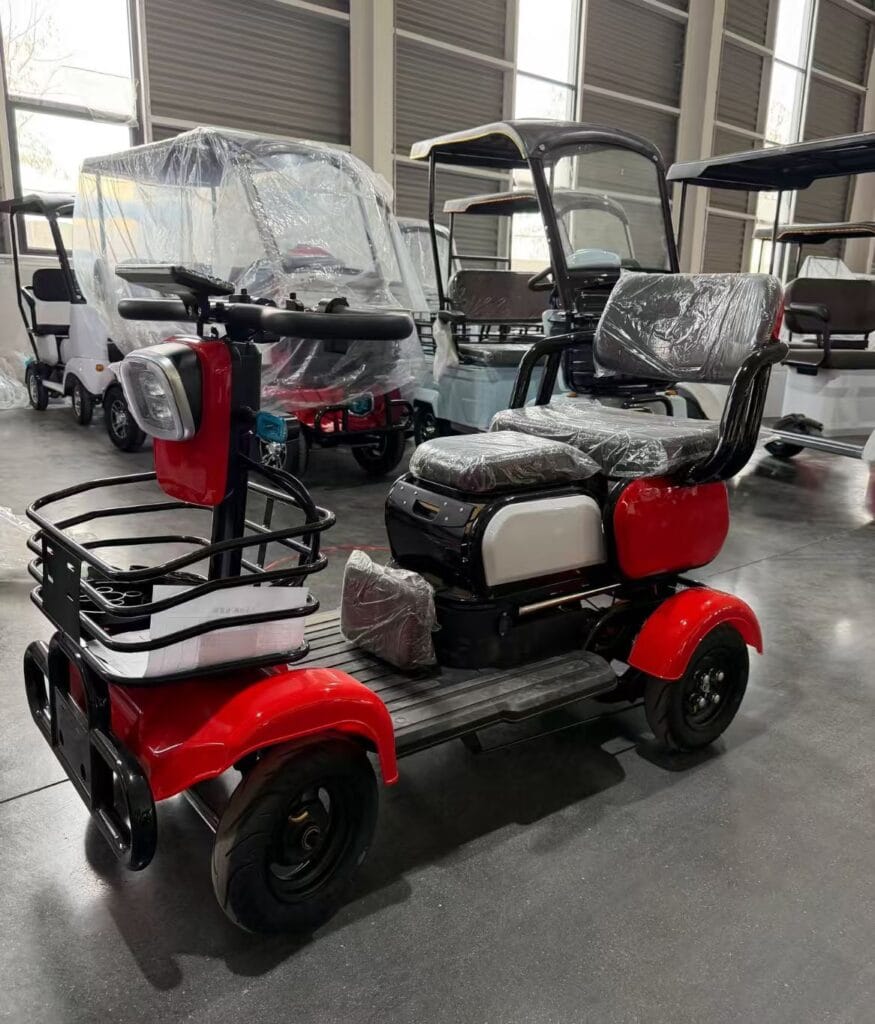
Selecting electric tricycle bikes becomes easier when buyers follow a structured process.
Step 1: Identify the Main Purpose
Start by asking what the electric tricycle will be used for most often.
If the primary purpose is commuting, comfort and battery efficiency may be important. If the vehicle will be used for delivery, cargo capacity and frame strength may become more important.
Step 2: Measure the Daily Route
Estimate your normal travel distance. Include the return journey and consider whether additional stops are likely.
Step 3: Evaluate Terrain
Flat roads, hills, and mixed terrain create different requirements for electric tricycle bikes.
If your route includes frequent inclines, motor performance and battery capacity deserve additional attention.
Step 4: Determine Load Requirements
Calculate the combined weight of the rider, passengers, and typical cargo.
Do not choose electric tricycle bikes based solely on cargo volume. Always check the rated load capacity.
Step 5: Check Dimensions
Measure doorways, garages, storage areas, and parking spaces.
An electric tricycle that is suitable on the road may still be inconvenient if it cannot be stored properly.
Step 6: Compare Components
Compare motor, battery, brakes, frame, tires, suspension, seat, lighting, and control systems.
Step 7: Consider Long-Term Maintenance
Ask about replacement batteries, tires, brake components, electrical parts, and technical support.
Reliable after-sales service can be an important part of long-term ownership.
Electric Tricycle Bikes and Battery Management
Battery care is important for maintaining the performance of electric tricycle bikes.
Users should follow the battery manufacturer’s charging instructions. The battery should be charged using the appropriate charger and should not be modified without qualified technical support.
Battery performance can change depending on temperature, load, riding style, and battery age.
For daily users of electric tricycle bikes, it is useful to establish a consistent charging routine based on actual transportation needs.
| Battery Management Practice | Purpose |
|---|---|
| Use the correct charger | Supports proper charging |
| Follow manufacturer instructions | Helps protect the battery |
| Avoid inappropriate storage conditions | Supports battery life |
| Monitor unusual battery behavior | Helps identify problems |
| Keep electrical connections protected | Supports system reliability |
| Plan charging around daily use | Improves convenience |
The battery is one of the most important components of electric tricycle bikes, so proper care should be part of regular ownership.
Maintenance Guide for Electric Tricycle Bikes
Regular maintenance can help electric tricycle bikes remain reliable over time.
A basic maintenance routine should include tire inspection, brake checks, cleaning, drivetrain maintenance where applicable, electrical inspection, and frame inspection.
Tires
Check tire pressure regularly and inspect for cuts, excessive wear, or other damage.
Brakes
Inspect brake pads, cables, rotors, or other braking components according to the vehicle design.
Battery and Electrical System
Check for visible damage to the battery housing, wiring, connectors, and other electrical components.
Frame
Inspect the frame and mounting points for unusual damage, loose components, or signs of wear.
Fasteners
Regularly check important bolts and fasteners, particularly on vehicles used frequently or carrying cargo.
| Maintenance Area | Recommended Action |
|---|---|
| Tires | Check pressure and wear |
| Brakes | Inspect regularly |
| Battery | Follow charging guidelines |
| Electrical system | Check visible connections |
| Frame | Inspect for damage |
| Cargo equipment | Check mounting points |
| Lights | Test regularly |
Proper maintenance can help electric tricycle bikes provide consistent performance and reduce avoidable problems.
Electric Tricycle Bikes for Small Businesses
Electric tricycle bikes are not limited to personal transportation. They can also support local business operations.
Small businesses may use electric tricycle bikes for:
- Food delivery
- Package delivery
- Market sales
- Mobile services
- Local logistics
- Maintenance work
- Campus transportation
- Facility support
For business users, durability and operating efficiency can be especially important.
A commercial electric tricycle may operate for several hours per day, meaning the battery, motor, frame, tires, brakes, and cargo structure need to be appropriate for frequent use.
Business buyers should also consider how easily electric tricycle bikes can be maintained and whether replacement components are available.
Electric Tricycle Bikes for Modern Lifestyle Needs
The role of transportation is not limited to commuting. Modern users often want one vehicle to support several activities.
Electric tricycle bikes can combine transportation, storage, comfort, and electric assistance in a single platform.
For example, a rider might use electric tricycle bikes to travel to work during the morning, carry groceries in the afternoon, and enjoy a recreational ride in the evening.
This multifunctional character makes electric tricycle bikes relevant to different lifestyles.
The right configuration depends on the rider. Some users may need a compact commuter model, while others may prefer a larger cargo or passenger model.
Comparing Electric Tricycle Bikes With Other Vehicles
Electric tricycle bikes occupy a practical position between conventional bicycles and larger motor vehicles.
| Transportation Option | Electric Assistance | Wheels | Cargo Potential | Typical Use |
|---|---|---|---|---|
| Conventional bicycle | No | 2 | Limited | Cycling and commuting |
| Electric bicycle | Yes | 2 | Moderate | Personal mobility |
| Electric tricycle bikes | Yes | 3 | Moderate to high | Daily urban transportation |
| Motorcycle | Yes | 2 | Moderate | Longer-distance travel |
| Small car | Yes | 4 | High | General transportation |
The most suitable transportation option depends on the user’s route, local regulations, storage conditions, budget, load requirements, and personal preferences.
Electric tricycle bikes are particularly useful when riders want electric assistance combined with three-wheel stability and practical carrying capacity.
Customization Options for Electric Tricycle Bikes
Manufacturers may provide different customization options for electric tricycle bikes. Customization can be useful when a vehicle needs to serve a specific commercial or personal application.
Potential customization areas include:
- Frame design
- Cargo box
- Passenger seating
- Battery configuration
- Motor configuration
- Lighting
- Tires
- Body panels
- Storage accessories
- Color
- Branding
For commercial customers, customized electric tricycle bikes can be designed around specific delivery or transportation requirements.
For personal users, customization may focus more on comfort, storage, appearance, and convenience.
Choosing Electric Tricycle Bikes From a Manufacturer
When purchasing electric tricycle bikes for personal use or commercial applications, the manufacturer can be an important consideration.
Buyers should examine product specifications, manufacturing capabilities, quality control processes, customization options, warranty policies, replacement parts, and technical support.
For bulk buyers, additional factors may include production capacity, export experience, packaging, delivery arrangements, and communication support.
A professional electric tricycle manufacturer should be able to provide clear information about:
- Motor specifications
- Battery options
- Vehicle dimensions
- Load capacity
- Charging requirements
- Brake systems
- Warranty
- Spare parts
- Customization
- Maintenance support
Clear product information makes it easier for buyers to compare different electric tricycle bikes according to their actual requirements.
Cost Considerations for Electric Tricycle Bikes
Price is an important purchasing factor, but buyers should consider the total ownership experience rather than the initial price alone.
The overall cost of electric tricycle bikes can include:
- Purchase price
- Charging
- Battery replacement
- Tire replacement
- Brake maintenance
- Electrical repairs
- Accessories
- Storage
- Routine servicing
A model with a slightly higher initial price may have different components, features, or support arrangements that influence long-term ownership.
When comparing electric tricycle bikes, buyers should consider the balance between specifications, durability, serviceability, comfort, and intended use.
Electric Tricycle Bikes for Efficient Local Transportation
Local transportation is one of the strongest applications for electric tricycle bikes. Many daily journeys take place within a limited geographic area.
Electric tricycle bikes can provide a practical way to connect homes, workplaces, shops, markets, schools, and community facilities where their use is permitted.
Because electric tricycle bikes combine electric assistance with compact dimensions, they can be useful for short-distance transportation without requiring the space associated with a larger vehicle.
Their cargo capacity also adds practical value. A rider can transport personal belongings, shopping bags, tools, or other appropriate loads during the same journey.
Future Development of Electric Tricycle Bikes
The electric mobility market continues to develop, and electric tricycle bikes are likely to remain part of this broader transportation trend.
Future electric tricycle bikes may incorporate improvements in battery technology, motor efficiency, control systems, lighting, frame materials, suspension, cargo integration, and rider comfort.
Smart control systems may also become more common. Depending on the manufacturer and market, future models could offer more detailed battery monitoring, digital displays, improved energy management, and other convenience features.
At the same time, practical design will remain important. Technology is most useful when it solves real transportation problems.
For everyday city travel, electric tricycle bikes will continue to be evaluated based on their ability to provide convenient, reliable, comfortable, and flexible transportation.
Electric Tricycle Bikes Buying Checklist
Before purchasing electric tricycle bikes, buyers can use the following checklist:
- Define the main transportation purpose
- Estimate daily travel distance
- Evaluate road and terrain conditions
- Check motor specifications
- Check battery capacity
- Review expected practical range
- Confirm maximum load
- Examine frame construction
- Compare braking systems
- Check tire specifications
- Evaluate seat comfort
- Review handlebar position
- Consider suspension
- Check vehicle width
- Measure storage space
- Review lighting
- Ask about replacement parts
- Check warranty terms
- Review manufacturer support
- Confirm applicable local regulations
This checklist can help buyers focus on practical requirements rather than choosing electric tricycle bikes based only on appearance.
If you need electric tricycles or other services, please contact us!
Email: lyf18265443311@gmail.com
WhatsApp: +86 15853422441
WhatsApp: +86 18265443311
Phone:+86 15853422441
Facebook: https://www.facebook.com/people/NengFu-New-Energy-Vehicle/61577819953210/
Youtube: https://www.youtube.com/@Cargo-car/shorts
Conclusion
Electric tricycle bikes provide a flexible transportation option for modern city travel. By combining electric motor assistance with a three-wheel design, electric tricycle bikes can support commuting, shopping, cargo transportation, passenger travel, recreation, and local business applications.
The biggest advantage of electric tricycle bikes is their versatility. A properly configured electric tricycle can provide electric assistance for daily travel while also offering useful storage and a stable three-wheel platform.
However, not all electric tricycle bikes are designed for the same purpose. Motor output, battery capacity, frame strength, braking, tires, comfort, cargo capacity, dimensions, and maintenance support should all be considered before making a purchase.
For commuters, electric tricycle bikes can provide a practical way to handle everyday journeys. For shoppers, storage capacity can make errands easier. For businesses, cargo electric tricycle bikes can support local transportation and delivery tasks. For recreational riders, comfortable seating and smooth operation can make local travel more enjoyable.
The right electric tricycle bikes should match the user’s actual transportation requirements. By evaluating distance, terrain, load, comfort, storage, battery needs, and intended use, buyers can make a more informed choice and select electric tricycle bikes that fit modern urban mobility needs.
FAQ
What are electric tricycle bikes?
Electric tricycle bikes are three-wheel bicycles equipped with an electric motor and rechargeable battery. They can provide electric assistance for commuting, shopping, recreation, cargo transportation, passenger travel, and other suitable local transportation needs.
Are electric tricycle bikes suitable for city commuting?
Electric tricycle bikes can be suitable for city commuting when their dimensions, motor, battery, braking system, and overall configuration match the rider’s route. Riders should also check local regulations regarding where and how electric tricycle bikes can be used.
How far can electric tricycle bikes travel on one charge?
The practical range of electric tricycle bikes depends on battery capacity, motor output, rider and cargo weight, terrain, speed, weather, tire pressure, and riding habits. Buyers should use manufacturer range figures as a reference and compare them with their actual daily travel requirements.
Can electric tricycle bikes carry cargo?
Yes. Many electric tricycle bikes are designed with baskets, cargo platforms, or enclosed cargo boxes. Cargo capacity varies between models, so users should check the manufacturer’s specified maximum load and distribute cargo appropriately.
How do I choose the right electric tricycle bikes?
Start by identifying your primary use, daily travel distance, terrain, cargo requirements, storage space, and comfort preferences. Then compare the motor, battery, frame, brakes, tires, load capacity, dimensions, maintenance requirements, warranty, and available support before selecting electric tricycle bikes.