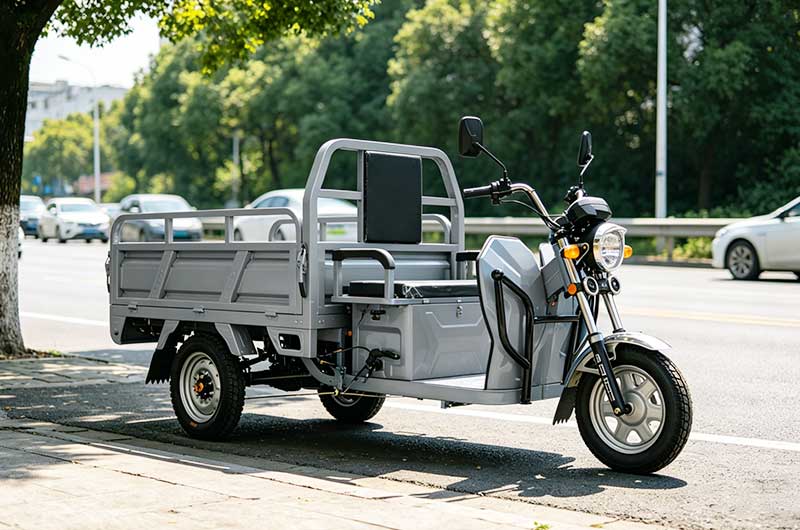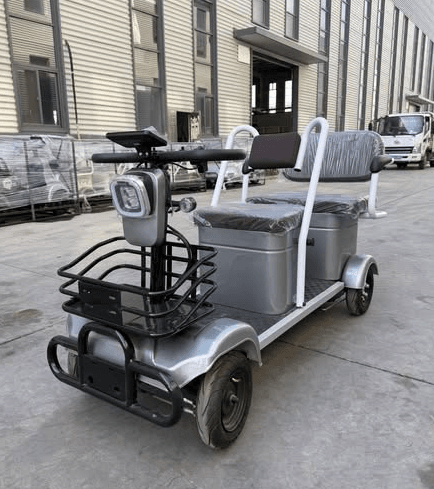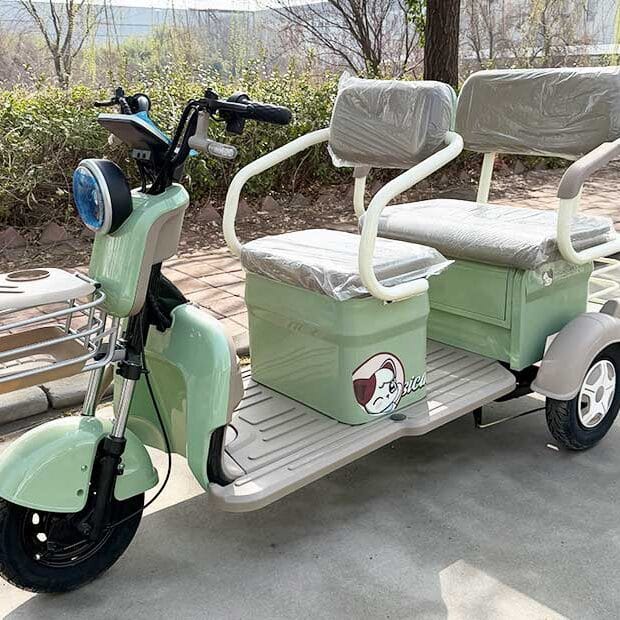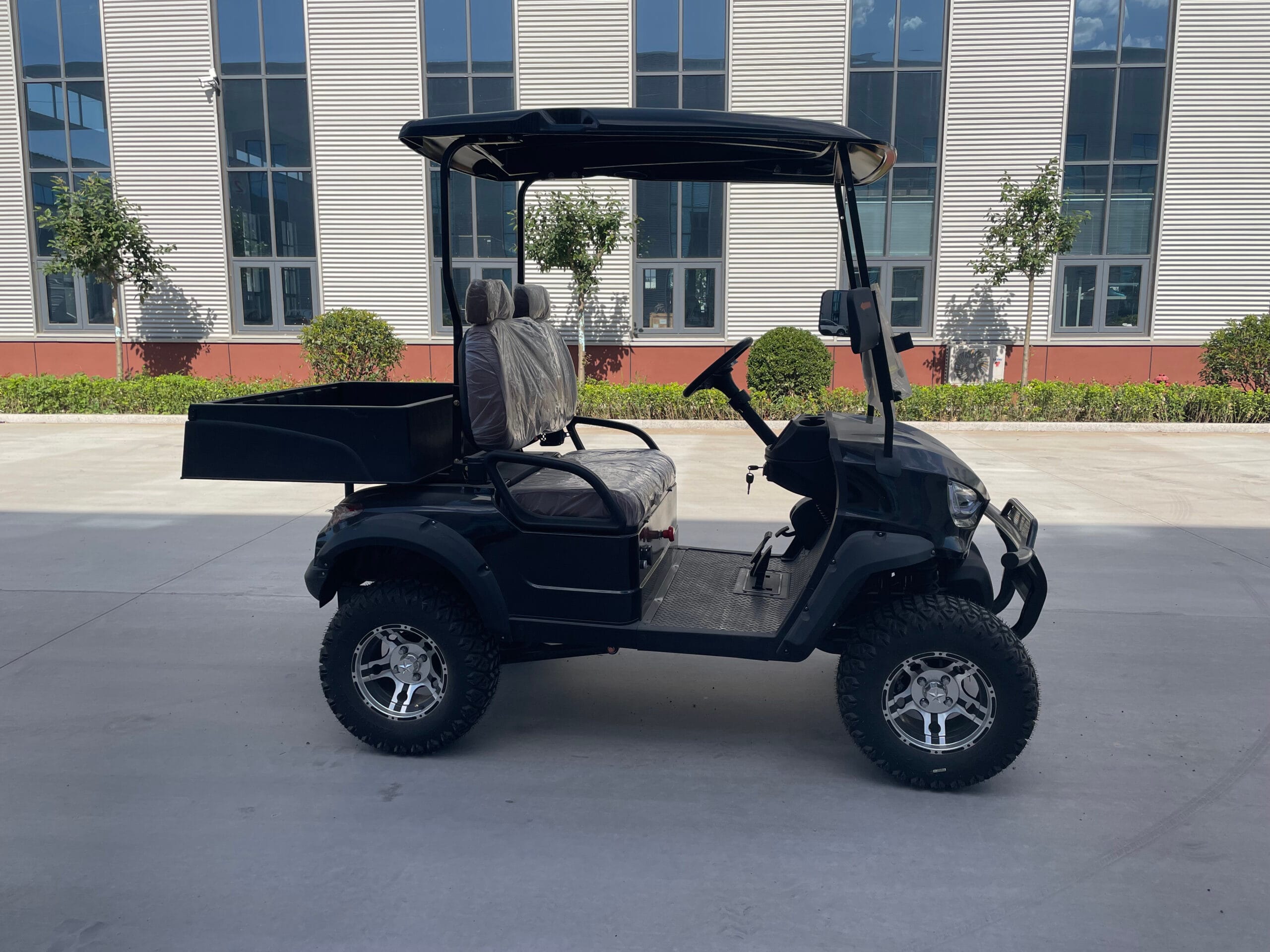
In the context of international procurement for electric tricycles, many issues do not stem from pricing, but rather from insufficient verification during the preliminary stages. Truly experienced buyers will “lock down”—or fully mitigate—critical risk points before placing an order. The following five checklist items directly determine the stability of your subsequent deliveries and your future after-sales costs.
I. Are the Factory’s Credentials and Export Experience Authentic?
Do not rely solely on business licenses or promotional brochures; focus instead on actual export capabilities:
Does the factory possess a track record of long-term exports (evidenced by Bills of Lading, container loading photos, or client case studies)?
Are they familiar with the certification requirements of your target market (e.g., COC, EEC, Form E)?
Do they maintain a stable, dedicated foreign trade team (rather than merely handling orders on an ad-hoc basis)?
Key Point: Many factories have the ability to manufacture, but they do not necessarily have the ability to export.
II. Are the Core Components Transparent and Verifiable?
Approximately 80% of the quality variance among electric tricycles stems from their core components:
Battery: Is the stated capacity accurate, or is it inflated? Is the brand authentic?
Motor: Does the power output meet the specified standards? Does it utilize copper windings?
Controller: Is it properly matched and integrated with the vehicle’s overall electrical system?
Insist on receiving a detailed technical specification sheet accompanied by actual photos or video footage for verification; avoid accepting vague descriptions (such as “high-performance motor”).
III. Do They Offer Clear and Definitive OEM/Customization Capabilities?
A genuine manufacturing facility can execute “structural-level customization”—going far beyond merely affixing a logo:
Adjustments to cargo box dimensions and load-bearing structural design.
Voltage and power matching (e.g., 48V, 60V, or 72V systems).
Adaptation for specific road conditions and environments (e.g., hilly terrain, sandy ground, or high-temperature climates).
Evaluation Criterion: Can they provide concrete examples of past customization projects, rather than offering only verbal assurances? IV. Are Quality Control Processes Standardized?
The key issue is not simply whether quality inspection takes place, but how it is conducted:
Is Incoming Quality Control (IQC) performed?
Is In-Process Quality Control (IPQC)—such as patrol inspections—conducted during production?
Is Outgoing Quality Control (OQC)—specifically, full-vehicle testing—performed prior to shipment?
Recommended Requirements:
Video inspection of goods prior to shipment;
Alternatively, inspection by a third party (e.g., SGS or BV).
V. Are Packaging, Shipping, and Documentation Handled Professionally?
Electric tricycles are classified as “electrified products,” which entails more complex shipping requirements:
Are UN38.3 test reports and Battery MSDS (Material Safety Data Sheets) provided?
Is the packaging suitable for sea freight (featuring shock-proofing, moisture protection, and appropriate solutions for either disassembled kits or fully assembled vehicles)?
Is the supplier proficient in optimizing container loading for Full Container Load (FCL) shipments?
Common Pitfall: Many orders fail not because of product defects, but due to issues with customs clearance or incomplete shipping documentation.