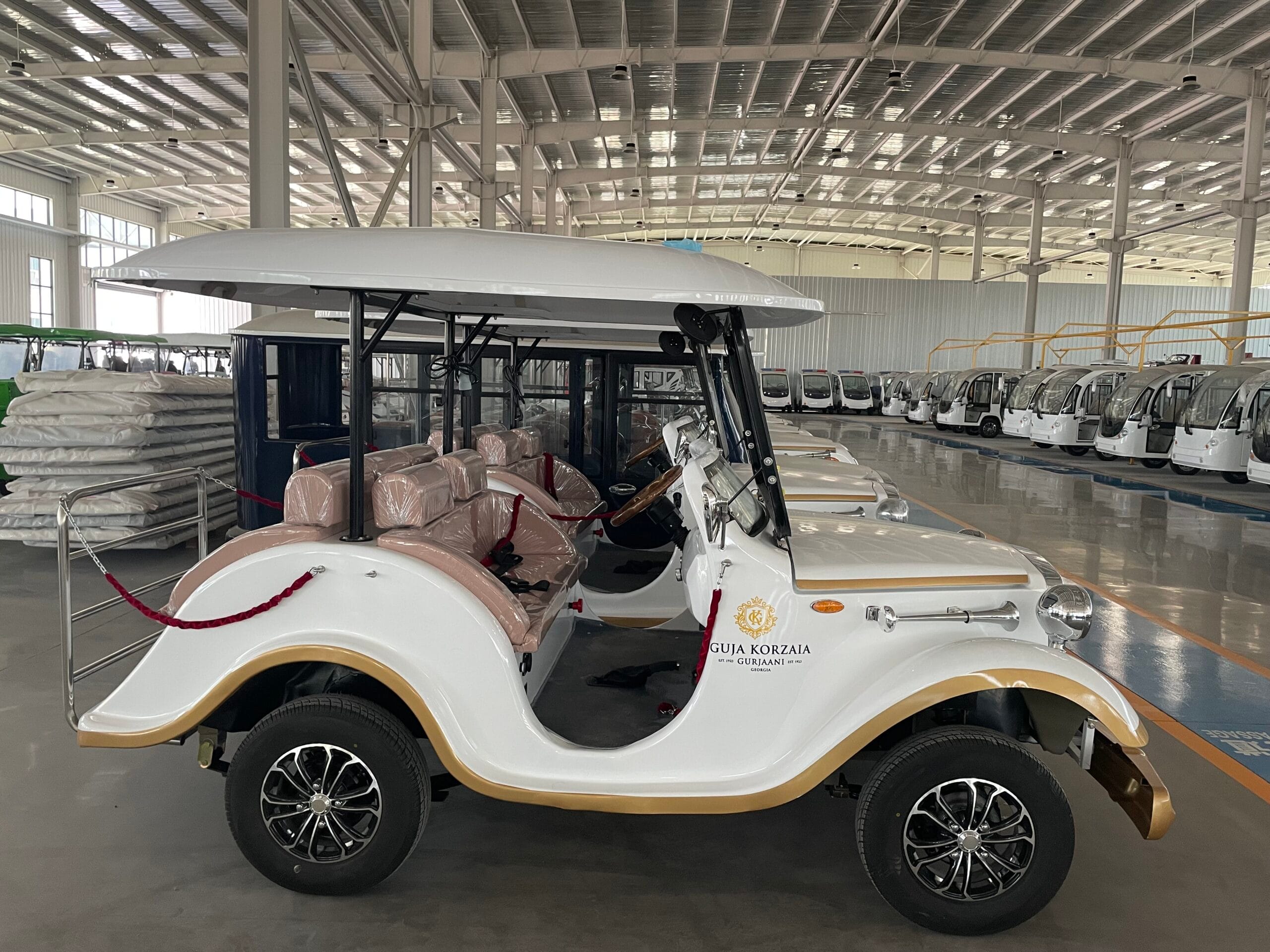
Introduction
Premier Golf & Utility Vehicles for Every Need is an ideal topic for businesses, golf course operators, resort managers, property owners, and individuals looking for efficient, comfortable, and environmentally conscious transportation solutions. As modern mobility continues to evolve, golf carts and utility vehicles are becoming increasingly popular in a wide range of environments. They are no longer limited to traditional golf courses. Today, these versatile vehicles are widely used in hotels, resorts, residential communities, farms, industrial facilities, campuses, warehouses, and commercial properties.
The growing demand for Premier Golf & Utility Vehicles for Every Need reflects a broader shift toward convenient transportation, improved operational efficiency, and flexible vehicle configurations. Whether an organization needs to transport guests, move equipment, maintain large properties, or support daily logistics, the right golf or utility vehicle can make a significant difference.
Modern golf and utility vehicles are available in various configurations, including two-passenger golf carts, multi-passenger sightseeing vehicles, cargo utility carts, enclosed electric vehicles, and heavy-duty work vehicles. Each model serves a different purpose, allowing buyers to select a solution that matches their operational requirements, available budget, and working environment.
Electric powertrains have also become an important consideration. Electric golf carts can provide quiet operation and eliminate exhaust emissions at the point of use, making them attractive for indoor-adjacent environments, hospitality facilities, and communities that prioritize a quieter atmosphere. Meanwhile, gasoline-powered models may remain suitable for certain demanding applications where longer operating periods or specific refueling requirements influence purchasing decisions.
When evaluating Premier Golf & Utility Vehicles for Every Need, buyers should look beyond the vehicle’s appearance or initial price. Passenger capacity, payload, battery performance, terrain compatibility, maintenance requirements, safety features, and after-sales support all influence long-term value.
This guide explores the different types of golf and utility vehicles, their major applications, the benefits they offer, and the factors that help buyers make informed purchasing decisions. By understanding these details, businesses and individual users can identify vehicles that deliver practical performance, comfortable transportation, and reliable everyday operation.
Understanding Premier Golf & Utility Vehicles for Every Need
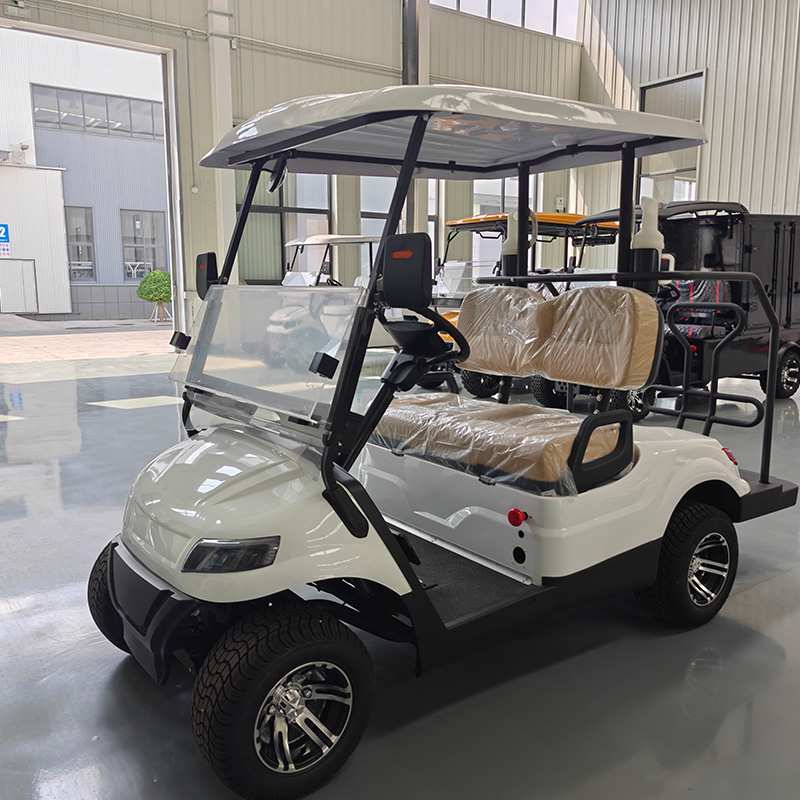
Premier Golf & Utility Vehicles for Every Need describes a broad range of compact vehicles designed to support transportation and light-duty work. Although golf carts and utility vehicles share some characteristics, their configurations and intended applications can differ considerably.
Golf carts are generally designed to transport golfers and their equipment over relatively short distances. They typically feature compact dimensions, easy-to-use controls, comfortable seating, and convenient storage for golf bags. Their straightforward design also makes them useful for transportation around resorts, residential developments, event venues, and private properties.
Utility vehicles are often designed with greater emphasis on practical work. They may feature rear cargo beds, stronger load-carrying capabilities, specialized storage compartments, or configurations intended for maintenance and material transportation. Depending on the model, a utility vehicle may be suitable for moving landscaping equipment, maintenance supplies, tools, or other materials around a large property.
Some vehicles combine passenger transportation with light-duty utility functions. These multipurpose designs are especially useful for facilities that need flexibility without purchasing separate vehicles for every task.
Main Categories of Golf and Utility Vehicles
| Vehicle category | Primary purpose | Common applications |
|---|---|---|
| Standard golf carts | Short-distance passenger transportation | Golf courses, residential communities |
| Multi-passenger golf carts | Moving groups of people | Resorts, hotels, campuses |
| Electric sightseeing vehicles | Guest transportation and sightseeing | Tourist attractions, parks |
| Cargo utility vehicles | Moving materials and equipment | Farms, warehouses, commercial properties |
| Enclosed golf vehicles | Transportation with additional weather protection | Resorts, private properties, controlled-access sites |
| Heavy-duty utility vehicles | Supporting demanding light-duty work | Agriculture, maintenance operations |
| Customized utility carts | Meeting specialized operational needs | Events, hospitality, industrial facilities |
Each category offers different advantages. A golf course may prioritize comfortable seating, smooth handling, and convenient golf bag storage. A resort may require several passenger configurations, while a maintenance team may need a cargo bed and secure storage for tools.
The key to selecting Premier Golf & Utility Vehicles for Every Need is matching the vehicle’s capabilities with its actual purpose. A vehicle designed for passenger comfort may not offer the payload capacity needed for heavy materials. Similarly, a cargo-focused model may not provide the seating arrangement required for transporting visitors.
Understanding these distinctions helps buyers avoid unnecessary costs and choose vehicles that perform effectively in their intended environments.
Why Premier Golf & Utility Vehicles for Every Need Are Becoming Popular
The popularity of compact golf and utility vehicles continues to expand because many organizations need practical transportation within defined operating areas. Full-sized vehicles are not always necessary for moving people or materials over short distances, especially on large private properties, campuses, and recreational sites.
Premier Golf & Utility Vehicles for Every Need offers a practical alternative for these situations. Their compact dimensions, relatively simple operation, and range of available configurations make them suitable for many daily activities.
Efficient Short-Distance Transportation
Large properties often require employees to travel between buildings, parking areas, maintenance facilities, storage locations, and customer service points. Walking may consume valuable time, while using a full-sized vehicle can be inefficient for short trips.
Golf carts and utility vehicles provide a middle ground. They can help staff move around designated routes more conveniently while reducing the need to operate larger vehicles for simple transportation tasks.
For example, a resort employee may use a compact vehicle to transport housekeeping supplies between buildings. A golf course maintenance team may use a utility cart to carry tools to different areas. A university facilities department may use passenger or cargo vehicles to support routine campus operations.
These small improvements can make daily workflows more organized, particularly when a property covers a large area.
Flexible Vehicle Configurations
Another reason buyers consider Premier Golf & Utility Vehicles for Every Need is the availability of different seating and cargo arrangements.
Depending on the model, buyers may choose two-seat, four-seat, six-seat, or larger passenger configurations. Cargo models may include open beds, enclosed storage, racks, or other practical features.
Customization can further improve suitability. Depending on the manufacturer, optional features may include weather enclosures, upgraded seating, lighting, cargo accessories, fleet identification, and specialized storage.
However, buyers should confirm which configurations are factory-supported and which modifications require additional engineering or approval. Accessories should not compromise vehicle stability, braking, visibility, or load limits.
Quiet and Comfortable Operation
Electric models are particularly attractive in environments where noise matters. Golf courses, hotels, residential communities, and nature-oriented attractions often benefit from transportation that produces less operational noise than conventional vehicles.
Electric golf carts also produce no exhaust emissions at the point of use. Their overall environmental impact still depends on electricity generation, battery manufacturing, vehicle production, and end-of-life handling, but they can support local air-quality objectives.
Comfort is equally important. Ergonomic seating, accessible controls, suitable suspension, adequate legroom, and convenient entry and exit can improve the experience for both drivers and passengers.
For businesses that transport guests throughout the day, these features may influence customer satisfaction as well as operational efficiency.
Electric and Gasoline Golf Vehicles Compared
When shopping for Premier Golf & Utility Vehicles for Every Need, one of the most important decisions is choosing the powertrain. Electric and gasoline vehicles each have advantages, and neither option is ideal for every application.
Electric vehicles typically use rechargeable battery systems and electric motors. Gasoline vehicles use internal combustion engines and require regular fuel replenishment. Their practical suitability depends on daily mileage, operating hours, terrain, available infrastructure, maintenance capabilities, and local environmental requirements.
Advantages of Electric Golf and Utility Vehicles
Electric vehicles are commonly selected for their quiet operation, straightforward driving experience, and lack of tailpipe emissions.
They can be particularly effective when vehicles follow predictable routes and return to a central location for charging. For example, a golf course may operate vehicles throughout scheduled playing hours and recharge them overnight.
Electric models may also require less routine powertrain maintenance because they do not use engine oil, spark plugs, or conventional engine exhaust systems. However, they still require inspections of tires, brakes, steering, suspension, electrical connections, batteries, and other components.
Battery technology matters. Lead-acid batteries may have a lower initial purchase cost, while lithium-ion batteries can offer advantages in usable energy, charging performance, weight, and maintenance requirements, depending on the specific system.
Buyers should compare battery warranties, charging requirements, expected service life, replacement costs, and manufacturer support instead of judging battery quality by chemistry alone.
Advantages of Gasoline-Powered Vehicles
Gasoline-powered golf and utility vehicles may suit operations that require long periods of use without convenient access to charging facilities. Refueling is often relatively quick, and established maintenance networks may be available in some locations.
They may also be suitable for certain outdoor environments where operational requirements favor conventional fuel systems.
However, gasoline models produce exhaust emissions and generally create more engine noise. They require engine-related maintenance, including oil changes, air-filter servicing, and other procedures specified by the manufacturer.
Local emissions regulations, indoor-use restrictions, and environmental policies should also be considered before selecting a gasoline-powered vehicle.
Electric vs. Gasoline Comparison Table
| Feature | Electric vehicle | Gasoline vehicle |
|---|---|---|
| Energy source | Rechargeable battery | Gasoline |
| Local exhaust emissions | None during vehicle operation | Produced during operation |
| Operating noise | Generally quieter | Generally louder |
| Energy replenishment | Charging | Refueling |
| Routine powertrain maintenance | Usually simpler | Includes engine servicing |
| Infrastructure requirements | Suitable charging facilities | Fuel storage or refueling access |
| Best-fit scenarios | Predictable routes and scheduled charging | Long operating periods with limited charging access |
| Key cost considerations | Electricity, batteries, charging equipment | Fuel, engine servicing, mechanical components |
The table provides general comparisons rather than guaranteed results for every model. Actual performance depends on vehicle design, battery capacity, engine specifications, load, terrain, temperature, and driving behavior.
For many hospitality and recreational applications, electric vehicles offer an attractive combination of quiet operation and convenient daily charging. For other demanding outdoor applications, gasoline models may remain practical.
The most suitable choice for Premier Golf & Utility Vehicles for Every Need should be based on a realistic assessment of operating conditions rather than a preference for one powertrain in every situation.
Premier Golf & Utility Vehicles for Every Need in Golf Courses
Golf courses remain one of the most recognizable markets for golf vehicles. A well-managed fleet helps golfers move between holes, transport equipment, and enjoy a more convenient playing experience.
Premier Golf & Utility Vehicles for Every Need can support golf course operations in several ways, from traditional player transportation to maintenance and clubhouse services.
Improving the Golfing Experience
A comfortable golf cart can make a round of golf more convenient, especially on courses with long distances between holes or significant elevation changes.
Useful features may include comfortable seats, a stable driving platform, a practical golf bag holder, beverage storage, a clear dashboard, and accessible controls. Depending on the course and local regulations, additional features such as GPS-based course information or fleet tracking may also be beneficial.
Passenger comfort should be balanced with vehicle stability and safe operation. Buyers should check the manufacturer’s seating capacity and avoid carrying more people or equipment than the vehicle is designed to support.
Supporting Course Maintenance
Golf course maintenance involves mowing, irrigation checks, landscaping, waste collection, and routine repairs. Utility vehicles can help maintenance staff move equipment and supplies across designated service routes.
Cargo beds and specialized storage accessories can improve organization, but payload limits remain essential. The total load should include tools, materials, accessories, and any other carried items.
For rougher maintenance routes, buyers should evaluate ground clearance, tire selection, suspension, traction, and turning performance. A standard passenger golf cart may not be appropriate for steep slopes, soft ground, or rough terrain.
Managing Fleet Operations
Golf course managers often need to coordinate vehicle availability, maintenance, charging, and replacement schedules.
A fleet management plan can include daily inspections, battery charging procedures, tire checks, brake inspections, cleaning, and documented maintenance records. For electric fleets, charging equipment should be compatible with the vehicle’s battery system and installed according to applicable electrical requirements.
The right fleet size depends on peak demand, operating hours, course layout, maintenance requirements, and the time needed to recharge or service vehicles.
By choosing Premier Golf & Utility Vehicles for Every Need that match the course’s daily operations, managers can support a more organized and comfortable golfing experience.
Premier Golf & Utility Vehicles for Every Need in Resorts and Hotels
Hotels and resorts frequently cover large properties with guest rooms, restaurants, recreation facilities, swimming pools, event spaces, and parking areas spread across different locations.
Premier Golf & Utility Vehicles for Every Need can support these facilities by providing convenient short-distance transportation for guests and employees.
Guest Transportation
Passenger golf carts are often used to transport guests between accommodation buildings, reception areas, restaurants, and recreational facilities.
Four-seat and six-seat vehicles can be useful for families and small groups, while larger sightseeing vehicles may be appropriate for organized tours or high-volume guest transportation.
When selecting vehicles for hospitality use, managers should consider accessibility, entry height, seating comfort, luggage storage, weather protection, and ease of operation.
Enclosed or weather-protected vehicles may be valuable in regions with frequent rain or strong sunlight. Buyers should confirm whether an enclosure is compatible with the vehicle and whether it affects visibility, ventilation, or safety.
Supporting Housekeeping and Maintenance
Utility carts can help employees move linens, cleaning materials, replacement supplies, tools, and small equipment around the property.
Different departments may require different configurations. Housekeeping teams may need enclosed storage, while engineering staff may prioritize tool compartments and cargo capacity.
Assigning suitable vehicles to individual departments can improve workflow and reduce unnecessary trips. It can also help prevent passenger vehicles from being overloaded with materials for which they were not designed.
Creating a Better Guest Experience
The transportation experience contributes to the overall impression guests form of a resort. Clean vehicles, comfortable seating, professional driving, and well-organized pickup locations can support a positive service experience.
Electric vehicles may be particularly appropriate for quiet resort environments, especially near accommodation areas or outdoor dining spaces.
For resort operators, Premier Golf & Utility Vehicles for Every Need should be evaluated as part of a broader guest-service strategy. Vehicle reliability, staff training, cleaning procedures, maintenance support, and availability during peak periods all matter.
Using Golf and Utility Vehicles on Farms and Agricultural Properties
Agricultural properties can extend across substantial areas, making efficient movement between buildings, fields, equipment storage areas, and livestock facilities important for daily operations.
Premier Golf & Utility Vehicles for Every Need can support certain agricultural tasks when the selected model is appropriate for the terrain, load, and environmental conditions.
Moving Tools and Supplies
Utility vehicles with cargo beds can transport hand tools, repair materials, small containers, protective equipment, and other supplies between work locations.
This can reduce repeated walking trips and make routine tasks easier to organize.
However, cargo capacity should be assessed carefully. Buyers need to understand the rated payload, cargo-bed dimensions, axle limits, and any restrictions associated with towing or carrying equipment.
A larger cargo bed does not automatically mean a higher permissible payload. Loads must remain within the manufacturer’s specifications.
Evaluating Terrain and Traction
Agricultural environments may include gravel roads, grass, muddy sections, uneven surfaces, slopes, and changing weather conditions. Not every golf cart is suitable for these conditions.
Before choosing a vehicle, operators should evaluate:
- Ground clearance and underbody protection.
- Tire design and traction requirements.
- Suspension performance on uneven surfaces.
- Braking capability on slopes.
- Vehicle stability with a full load.
- Turning space around buildings and equipment.
- Weather exposure and cleaning requirements.
For steep terrain, heavy loads, deep mud, or challenging off-road conditions, a purpose-built utility vehicle may be more appropriate than a standard golf cart.
Operators should follow the manufacturer’s restrictions on slope angles, payload, towing, and terrain. They should also consider rollover risks, particularly when operating loaded vehicles on uneven ground.
Supporting Daily Farm Management
A properly selected utility vehicle can help with inspections, property maintenance, supply transportation, and other light-duty tasks.
Electric models may work well where routes are predictable and charging is convenient. Gasoline models may suit operations with longer continuous working periods or limited charging access.
Premier Golf & Utility Vehicles for Every Need can contribute to agricultural efficiency when vehicle selection is based on real operating conditions rather than appearance alone.
Cargo Utility Vehicles for Commercial and Industrial Applications
Commercial properties, warehouses, manufacturing facilities, and large service campuses often require frequent movement of materials over short distances.
In these environments, cargo utility vehicles can provide a practical alternative to using full-sized road vehicles for every internal transportation task.
Moving Materials Efficiently
A utility vehicle with an appropriate cargo bed can transport maintenance supplies, small tools, packaged materials, and other loads around a controlled site.
The benefits may include shorter transportation times, more organized workflows, and easier access to locations where larger vehicles are inconvenient.
However, the vehicle must be selected according to the actual load. Weight, volume, dimensions, and load distribution all affect performance.
Long items may require specialized racks, while delicate equipment may need secure storage or protective enclosures. Buyers should confirm that any accessories are approved for the selected model.
Improving Site Organization
A well-planned fleet can help separate passenger transportation from material movement.
For example, a facility may assign passenger vehicles to supervisors and visitors while reserving cargo vehicles for maintenance staff and material handling.
Clear vehicle assignments reduce confusion and help employees identify the appropriate equipment for each task.
Where several vehicles operate within the same facility, fleet identification, designated parking locations, speed controls where available, and established traffic routes can improve organization.
Considering Indoor and Outdoor Use
Some industrial environments include both indoor and outdoor areas. Electric utility vehicles may be suitable for certain indoor-adjacent operations because they produce no exhaust emissions during use.
Nevertheless, indoor use requires attention to ventilation, fire safety, battery charging, pedestrian separation, and facility-specific operating rules. Charging equipment and battery systems must meet applicable requirements.
Premier Golf & Utility Vehicles for Every Need can support commercial operations when the vehicles are integrated into a clearly defined site transportation plan.
Choosing the Right Passenger Capacity and Vehicle Configuration
Passenger capacity is a major consideration when comparing Premier Golf & Utility Vehicles for Every Need. Selecting the correct seating arrangement can improve convenience while helping buyers avoid unnecessary expense.
A small property may only need two-seat vehicles, while a large resort or sightseeing attraction may benefit from multi-passenger configurations.
Comparing Common Passenger Configurations
| Configuration | Typical use | Main consideration |
|---|---|---|
| Two-passenger vehicle | Individual travel and golf | Compact dimensions and maneuverability |
| Four-passenger vehicle | Families, staff, small groups | Balance of seating and overall size |
| Six-passenger vehicle | Resorts and group transportation | Passenger comfort and route suitability |
| Larger sightseeing vehicle | Organized tours and high-volume sites | Capacity, access, turning space, and safety |
| Passenger-cargo combination | Mixed transportation tasks | Payload and passenger limits must both be respected |
These configurations are illustrative. Actual passenger capacity and permissible loads vary by model.
Consider the Operating Environment
A four-seat vehicle may be convenient for a hotel with narrow pathways and short routes. A larger vehicle might be more efficient for a resort that regularly transports groups between distant buildings.
Buyers should evaluate turning radius, total length, width, overhead clearance, passenger access, and storage space.
If the vehicle will travel through narrow gates or crowded pedestrian areas, compact dimensions may be more important than maximum capacity.
Avoid Overloading
The combined weight of passengers, cargo, and accessories must remain within the vehicle’s rated limits.
Adding rear-facing seats, extra batteries, cargo racks, or weather enclosures can change vehicle weight distribution and handling. Unauthorized modifications may also affect warranties and compliance.
Before purchasing Premier Golf & Utility Vehicles for Every Need, ask the supplier for the official seating capacity, rated payload, gross vehicle weight rating where applicable, and approved accessory specifications.
Battery Performance and Charging Considerations
Battery performance is one of the most important factors when purchasing electric golf and utility vehicles.
A vehicle may have an advertised range, but actual performance depends on several conditions. Passenger weight, cargo load, speed, temperature, terrain, tire pressure, battery condition, and driving behavior can all affect energy consumption.
Understanding Real-World Range
A vehicle that performs well on a flat golf course may deliver a different range on a hilly property carrying a full passenger load.
Frequent stops, steep gradients, and high accessory power consumption can also reduce usable range.
For this reason, buyers should not rely exclusively on a single advertised range figure. Instead, they should request information about the testing conditions and compare the figures with their expected daily operating requirements.
A practical assessment should include:
- Typical distance traveled per shift.
- Expected passenger or cargo load.
- Terrain and elevation changes.
- Operating temperature.
- Required reserve range.
- Charging time between shifts.
- Battery warranty and replacement availability.
A suitable reserve helps prevent vehicles from running out of usable energy before returning to a charging point.
Planning Charging Infrastructure
Charging infrastructure should be considered before a fleet is purchased.
Operators need to identify suitable charging locations, electrical capacity, cable management requirements, ventilation where applicable, and access controls. Charging equipment must match the vehicle manufacturer’s specifications.
Large fleets may require a charging schedule to ensure that vehicles are ready before peak operating periods.
It is also important to establish battery inspection procedures and train staff to recognize warning signs such as damaged cables, unusual battery heating, or visible battery damage.
Battery Technology Comparison
| Consideration | Lead-acid battery | Lithium-ion battery |
|---|---|---|
| Initial cost | Often lower | Often higher |
| Weight | Generally heavier | Generally lighter for comparable usable energy |
| Routine maintenance | Flooded types may require electrolyte checks | Usually less routine battery maintenance |
| Charging behavior | Depends on battery and charger specifications | Depends on chemistry and battery management system |
| Replacement planning | Important for fleet lifecycle costs | Important for fleet lifecycle costs |
| Key purchasing factor | Price, service access, and maintenance | Warranty, battery management, charger compatibility, and service access |
Not all batteries within the same category perform identically. Battery design, capacity, charging strategy, temperature limits, and manufacturer support should be evaluated together.
For businesses considering Premier Golf & Utility Vehicles for Every Need, the best battery system is the one that meets daily range requirements while keeping charging and replacement costs manageable.
Comfort, Safety, and Essential Vehicle Features
Comfort and safety directly influence the suitability of golf and utility vehicles for daily use.
A vehicle may appear attractive and offer an appealing price, but inadequate visibility, poor ergonomics, unsuitable tires, or limited braking performance can create problems over time.
Seating and Ergonomics
Seat shape, cushioning, legroom, steering position, and control layout affect driver and passenger comfort.
For vehicles used throughout a working day, ergonomic design can make repeated trips more comfortable. Adjustable or appropriately positioned controls may also help drivers operate the vehicle more consistently.
For passenger transportation, buyers should examine step height, handholds, entry space, seat belts where provided or required, and the accessibility needs of intended users.
Braking and Stability
Braking systems must be suitable for the vehicle’s weight, operating speed, terrain, and load.
Buyers should ask about the braking design, parking brake, maintenance schedule, and any model-specific restrictions for slopes.
Stability is particularly important when a vehicle carries multiple passengers or a cargo load. High-mounted cargo, unevenly distributed weight, unauthorized seating modifications, and excessive speed can affect handling.
A vehicle designed for smooth golf course paths should not automatically be assumed suitable for steep or rough off-road work.
Lighting and Visibility
Headlights, brake lights, turn signals, reflectors, mirrors, and other visibility equipment may be necessary depending on the operating environment and applicable regulations.
Vehicles used in busy resorts, large campuses, or industrial facilities should have clearly defined routes and adequate visibility for drivers and pedestrians.
For enclosed vehicles, windshield design, wipers, demisting, ventilation, and visibility through side panels deserve particular attention.
Driver Training and Operating Procedures
Even compact vehicles require responsible operation.
Businesses should establish procedures for authorized drivers, speed limits, passenger loading, cargo securing, pedestrian crossings, parking, charging, and reporting mechanical problems.
Operators should understand the vehicle’s rated capacity and should never carry additional passengers beyond the manufacturer’s limits.
A safe operating environment depends on both vehicle design and consistent daily practices.
Customization Options for Different Business Needs
One major advantage of Premier Golf & Utility Vehicles for Every Need is the possibility of choosing configurations that better fit individual operating requirements.
Customization can improve convenience, but buyers should distinguish between manufacturer-approved options and modifications that may compromise safety or warranty coverage.
Exterior Design and Branding
Businesses may want vehicles that reflect their brand identity. Depending on the supplier, options can include different body colors, upholstery, decorative panels, fleet identification, and approved logo placement.
For resorts and tourist attractions, coordinated vehicle designs can create a more professional appearance.
For commercial fleets, numbering and identification can make it easier to track maintenance records and assign vehicles to departments.
Weather Protection
Weather protection can be valuable in regions with heavy rainfall, strong sunlight, or changing temperatures.
Potential features include roofs, windshields, side curtains, doors, and enclosed cabins. The appropriate combination depends on the climate and vehicle design.
Buyers should verify that an enclosure does not interfere with visibility, ventilation, driver access, or safe operation.
Cargo Accessories
Utility vehicle accessories may include cargo dividers, racks, lockable compartments, tool storage, and specialized carrying solutions.
These additions can help businesses organize materials and prevent equipment from shifting during movement.
However, accessory weight must be included when calculating the total load. A large rack or heavy enclosure may reduce the remaining payload capacity.
Technology and Fleet Management
Depending on the model and supplier, available options may include battery monitoring, vehicle tracking, fleet identification, digital dashboards, and other operational features.
These tools may help managers monitor vehicle use, schedule maintenance, and identify underused assets.
Before purchasing technology packages, buyers should determine whether the features integrate with existing systems and whether any subscription or support fees apply.
The best customization strategy for Premier Golf & Utility Vehicles for Every Need is to prioritize features that solve real operational problems rather than adding accessories that provide little practical value.
Understanding Total Cost of Ownership
The purchase price is only one component of the total cost of owning a golf or utility vehicle.
For commercial buyers, total cost of ownership includes acquisition, energy or fuel, maintenance, replacement parts, battery replacement where applicable, insurance where required, storage, charging infrastructure, and eventual resale or disposal.
Comparing these costs over a realistic operating period can reveal which vehicle offers the strongest long-term value.
Main Cost Components
| Cost category | What to evaluate | Why it matters |
|---|---|---|
| Purchase price | Vehicle configuration and included accessories | Determines initial investment |
| Energy or fuel | Expected consumption and local prices | Influences recurring expenses |
| Maintenance | Inspection, service, and replacement parts | Affects operating budget |
| Battery replacement | Battery price, warranty, and expected service life | Important for electric fleets |
| Charging infrastructure | Chargers, installation, and electrical capacity | May require upfront investment |
| Downtime | Repair time and availability of replacement vehicles | Affects daily operations |
| Training and safety | Driver instruction and site procedures | Supports responsible operation |
| End-of-life value | Resale, recycling, or disposal options | Affects long-term financial planning |
A Simple Ownership Cost Example
Consider a business evaluating an electric utility vehicle over five years. The following example uses hypothetical amounts for illustration only and does not represent a market quotation.
| Expense | Hypothetical five-year cost |
|---|---|
| Vehicle purchase | $8,000 |
| Electricity | $750 |
| Routine maintenance and repairs | $1,250 |
| Charging equipment allocation | $500 |
| Battery replacement allowance | $1,500 |
| Total before resale value | $12,000 |
In this example, the five-year ownership cost before resale value is $12,000. If the vehicle has a hypothetical resale value of $2,000 at the end of the period, the net cost would be $10,000.
Actual costs may be significantly different depending on the vehicle, operating conditions, electricity prices, battery warranty, repair requirements, and resale market.
A gasoline vehicle should be evaluated using the same time period and a comparable operating workload. Its fuel and maintenance costs should be estimated using realistic usage assumptions.
For fleet operators, a consistent calculation method makes it easier to compare models and avoid decisions based solely on initial purchase price.
How to Choose a Reliable Golf and Utility Vehicle Supplier
Selecting the right supplier is just as important as selecting the right vehicle. A competitive price offers limited value if spare parts are difficult to obtain or technical support is unavailable when needed.
When evaluating suppliers of Premier Golf & Utility Vehicles for Every Need, buyers should consider product quality, manufacturing capability, warranty coverage, documentation, and after-sales service.
Evaluate Product Specifications
Request a complete specification sheet for each model under consideration.
Important information may include dimensions, passenger capacity, payload rating, battery capacity, charging time, estimated range, maximum operating speed, ground clearance, braking system, and available accessories.
The specifications should be consistent with the intended application. Buyers should also ask whether advertised performance figures were measured under controlled conditions or represent typical real-world use.
Review Manufacturing and Quality Control
A reliable manufacturer should be able to explain its production and inspection procedures.
Depending on the product category and destination market, useful documentation may include quality management certifications, applicable safety or conformity documentation, component specifications, and product testing records.
Certifications should be verified rather than assumed. A general company certification does not automatically prove that every vehicle complies with every local vehicle requirement.
For bulk orders, buyers may also consider pre-shipment inspection, sample approval, production milestones, and documented acceptance criteria.
Check Warranty and After-Sales Support
Warranty coverage can vary substantially between manufacturers and components.
Ask whether the warranty covers the vehicle frame, motor, controller, battery, charger, and other electrical or mechanical parts. Confirm the coverage period, exclusions, service procedure, and responsibility for transportation or labor costs.
Spare-part availability is another important consideration. Vehicles used in commercial operations may need replacement tires, brake components, lights, switches, controllers, chargers, or battery parts.
A supplier that provides clear documentation and realistic service arrangements can help reduce uncertainty throughout the vehicle’s working life.
Compare Suppliers Fairly
When comparing quotations, ensure that each supplier is pricing a similar specification.
A vehicle with a larger battery, additional safety features, or a different cargo configuration may cost more but offer better value for a specific application.
Buyers should also confirm delivery terms, shipping arrangements, import requirements, local registration or operating restrictions where applicable, and any taxes or additional fees.
Premier Golf & Utility Vehicles for Every Need is best approached as a long-term purchasing decision, particularly when an organization intends to operate a fleet for several years.
Buying Premier Golf & Utility Vehicles for Every Need in Bulk
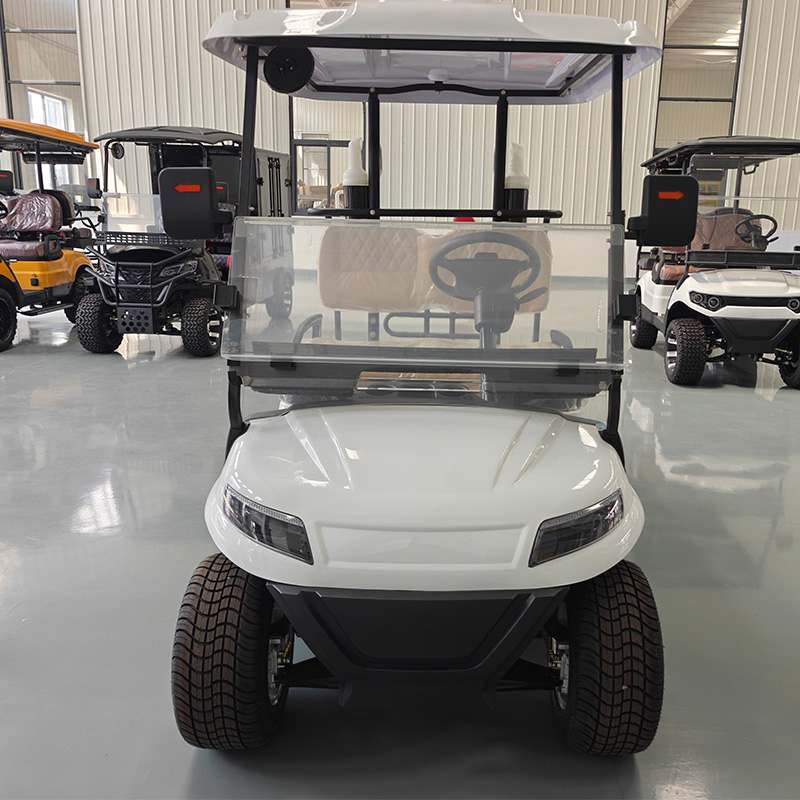
Bulk purchasing can help businesses standardize their fleets and simplify maintenance. Resorts, golf courses, property management companies, campuses, and industrial facilities may benefit from purchasing several vehicles under a coordinated procurement plan.
However, the advantages of bulk purchasing depend on accurate planning and supplier reliability.
Define Fleet Requirements Before Requesting Quotations
Start by identifying the number of vehicles required for each task.
A golf course may need passenger carts for players, utility vehicles for maintenance, and a few specialized units for clubhouse operations. A resort may require several passenger capacities and dedicated cargo vehicles for staff.
Separating requirements by function helps prevent the purchase of too many vehicles of one type while leaving other departments without suitable equipment.
Request Samples or Demonstrations
Where practical, test representative models before confirming a large order.
A demonstration can help buyers assess turning performance, seating comfort, controls, cargo access, charging arrangements, and suitability for the site’s terrain.
For customized vehicles, confirm all key specifications in writing. Color, seating configuration, battery type, accessories, branding, and delivery schedules should be clearly documented.
Plan Delivery and Commissioning
Large orders require more than transportation to the site.
Businesses should prepare parking spaces, charging infrastructure, maintenance areas, driver training, inspection checklists, and vehicle assignment procedures before delivery.
If vehicles are being imported, buyers should verify documentation and destination-market requirements early in the process.
A structured commissioning plan can reduce delays and help the fleet enter service smoothly.
Establish a Long-Term Service Plan
Bulk buyers should consider the entire ownership period before placing an order.
The supplier’s ability to provide replacement parts, technical assistance, battery support, and maintenance documentation may be as important as the initial price.
Standardizing vehicle models can simplify staff training and inventory management, although different departments may still require specialized configurations.
By treating Premier Golf & Utility Vehicles for Every Need as a fleet management project rather than a one-time purchase, businesses can improve consistency and better control long-term costs.
Environmental Considerations and Sustainable Mobility
Sustainability is an increasingly important consideration for businesses managing golf courses, resorts, tourism facilities, and large properties.
Compact vehicles can contribute to more efficient site transportation when they replace unnecessary trips in larger vehicles. Electric models can also reduce local exhaust emissions and operational noise.
Nevertheless, environmental performance should be assessed across the vehicle’s lifecycle.
Reducing Local Exhaust Emissions
Electric golf and utility vehicles do not produce tailpipe emissions during operation. This can be useful in locations where air quality and visitor comfort are important.
However, electricity generation may still produce emissions, depending on the local energy mix. Battery manufacturing and vehicle production also contribute to the overall environmental footprint.
A realistic comparison should consider the energy source, daily usage, maintenance needs, battery lifespan, and end-of-life handling.
Managing Battery Lifecycles
Battery selection influences both performance and environmental management.
Organizations should ask suppliers about battery warranties, replacement procedures, recycling options, and available take-back programs.
Used batteries should be handled according to the applicable regulations and the battery manufacturer’s guidance. Damaged or end-of-life batteries should not be disposed of casually with ordinary waste.
Fleet operators can also extend useful battery life by following approved charging procedures, avoiding inappropriate storage conditions, and maintaining the vehicle as recommended.
Supporting Quieter Environments
Electric vehicles can help reduce operational noise in residential communities, nature attractions, and hospitality settings.
Lower noise levels may improve the experience of guests and residents, especially in areas where transportation occurs near accommodation or recreation spaces.
Premier Golf & Utility Vehicles for Every Need can support sustainability objectives when vehicle selection is combined with efficient route planning, responsible charging, preventive maintenance, and proper end-of-life management.
Common Mistakes to Avoid When Purchasing Golf and Utility Vehicles
Even experienced buyers can make purchasing mistakes when vehicle requirements are not clearly defined.
Avoiding these problems can improve value and reduce the likelihood of operational disruptions.
Choosing Based Only on Purchase Price
A low initial price may be attractive, but it does not guarantee a lower total cost of ownership.
A less expensive vehicle may have limited battery capacity, fewer included features, a shorter warranty, or more expensive replacement parts.
Compare the complete specification and projected ownership costs before making a decision.
Ignoring Terrain and Payload
A standard golf cart may perform well on paved pathways but struggle in environments with steep slopes, loose surfaces, or heavy cargo.
Buyers should evaluate the actual route and maximum expected load. Payload ratings, slope restrictions, tire selection, and braking performance should be confirmed before purchase.
Never assume that an off-road appearance guarantees suitability for demanding terrain.
Underestimating Charging Requirements
Electric vehicles need a workable charging plan.
Purchasing a fleet without enough charging capacity can create scheduling problems, particularly when vehicles operate for long periods or need to be ready simultaneously.
Calculate daily energy requirements, charging windows, electrical capacity, and reserve range before selecting battery specifications.
Overlooking After-Sales Service
Limited technical support can lead to extended downtime.
Before placing an order, confirm how repairs are handled, which parts are stocked, how warranty claims are processed, and whether technical assistance is available in the destination market.
A supplier’s service capabilities should be evaluated alongside its manufacturing and product specifications.
Ordering Unnecessary Customization
Extra accessories can increase vehicle cost, weight, and maintenance complexity.
Select options that directly support the intended task. Ensure that all modifications are compatible with the vehicle and do not exceed its rated limits.
For buyers considering Premier Golf & Utility Vehicles for Every Need, a clear requirements list is one of the simplest ways to avoid unnecessary expense.
The Future of Premier Golf & Utility Vehicles for Every Need
The market for golf and utility vehicles continues to develop as manufacturers respond to changing customer expectations, technology improvements, and new operating requirements.
Several trends may influence future purchasing decisions.
Improvements in Battery Technology
Battery systems continue to evolve, with manufacturers working to improve usable capacity, charging performance, energy efficiency, and durability.
For buyers, future developments may provide more options for balancing purchase price, operating range, charging time, and lifecycle costs.
However, specifications should always be evaluated at the individual model level. New technology does not automatically guarantee better value for every fleet.
Smarter Fleet Management
Digital tools can help operators monitor vehicle location, usage, battery status, and maintenance schedules.
These features may be especially valuable for organizations managing many vehicles across large properties.
A well-designed fleet management system can support better allocation and maintenance planning, but buyers should evaluate data access, system compatibility, subscription fees, and ongoing support.
Greater Customization
Demand for specialized vehicles may encourage manufacturers to offer more configurations for hospitality, agriculture, tourism, and commercial transportation.
Potential developments include improved cargo arrangements, more adaptable seating, enhanced weather protection, and application-specific accessories.
The most useful innovations will be those that improve practical performance without creating unnecessary complexity.
Continued Interest in Electric Mobility
Electric vehicles are likely to remain an important option for controlled-site transportation where charging infrastructure and operating patterns make them practical.
Businesses will continue to compare them with gasoline vehicles based on real operating costs, local requirements, reliability, and environmental priorities.
Premier Golf & Utility Vehicles for Every Need will therefore remain a broad category in which the best solution depends on the application rather than a single universal design.
If you need electric tricycles or other services, please contact us!
Email: lyf18265443311@gmail.com
WhatsApp: +86 15853422441
WhatsApp: +86 18265443311
Phone:+86 15853422441
Facebook: https://www.facebook.com/people/NengFu-New-Energy-Vehicle/61577819953210/
Youtube: https://www.youtube.com/@Cargo-car/shorts
Conclusion
Premier Golf & Utility Vehicles for Every Need represents a flexible approach to modern short-distance transportation and light-duty work. From golf courses and resorts to farms, industrial properties, campuses, and residential communities, these vehicles can support a wide variety of everyday activities.
The main advantage is flexibility. Buyers can choose passenger golf carts, sightseeing vehicles, cargo utility carts, enclosed models, and specialized configurations according to their operating requirements. Electric and gasoline powertrains provide different benefits, making it important to evaluate daily usage, charging or refueling access, maintenance requirements, and environmental considerations.
A successful purchase begins with a clear understanding of the intended application. Passenger capacity, payload, terrain, battery performance, comfort, safety features, and service support should all be assessed before a final decision is made.
Businesses should also consider total cost of ownership rather than focusing exclusively on the initial purchase price. Energy or fuel consumption, routine maintenance, battery replacement, charging infrastructure, spare-part availability, and potential resale value all influence long-term investment.
For fleet operators, a structured procurement process can further improve results. Comparing complete specifications, testing representative models, confirming warranty terms, and planning vehicle deployment help reduce uncertainty and support reliable operations.
Ultimately, Premier Golf & Utility Vehicles for Every Need is not simply about choosing a compact vehicle. It is about selecting the right transportation solution for a specific environment, workload, and budget. With careful planning and a reliable supplier, organizations can build a fleet that supports operational efficiency, passenger comfort, and long-term value.
FAQ
What Are Premier Golf & Utility Vehicles for Every Need Used For?
Premier Golf & Utility Vehicles for Every Need can be used for passenger transportation, golf course operations, resort services, sightseeing, property maintenance, agricultural support, and light-duty cargo movement. The most suitable vehicle depends on the intended application, terrain, passenger capacity, and payload requirements.
Are Electric Golf and Utility Vehicles Better Than Gasoline Models?
Electric vehicles are generally quieter and produce no exhaust emissions during operation. They can be particularly suitable for golf courses, resorts, and properties with predictable routes and convenient charging facilities. Gasoline models may suit applications requiring extended operating periods without practical access to charging. The better option depends on the operating environment, energy costs, maintenance resources, and local regulations.
How Do I Choose the Right Golf or Utility Vehicle for My Business?
Start by identifying the main purpose of the vehicle. Consider passenger capacity, cargo requirements, daily travel distance, terrain, operating hours, and available maintenance support. Compare official specifications, warranty coverage, energy consumption, and total ownership costs. Testing a representative vehicle before placing a large order can also help confirm suitability.
What Should I Consider When Buying Golf and Utility Vehicles in Bulk?
Bulk buyers should evaluate fleet size, vehicle configurations, product quality, customization options, delivery schedules, warranty terms, spare-part availability, and after-sales service. It is also important to plan parking, charging infrastructure, driver training, maintenance procedures, and vehicle assignments before delivery.
How Can I Reduce the Long-Term Cost of Golf and Utility Vehicles?
Choose vehicles that match actual operating requirements, follow manufacturer-recommended maintenance schedules, maintain appropriate tire pressure, train drivers in safe and efficient operation, and monitor energy or fuel consumption. For electric fleets, establish suitable charging procedures and plan battery replacement according to the manufacturer’s guidance. Comparing total cost of ownership before purchasing can help identify the most economical solution over the vehicle’s service life.