Introduction
Tourism is evolving as travelers, hotels, resorts, scenic destinations, and city operators increasingly look for cleaner and more comfortable ways to explore popular attractions. Traditional sightseeing transportation often relies on gasoline or diesel engines, which can produce exhaust emissions, create noise, and increase operating expenses. As environmental awareness continues to grow, electric transportation is becoming an attractive solution for tourism businesses seeking to improve visitor experiences while supporting sustainable development. An Electric Sightseeing Vehicle for Eco Friendly Travel offers a practical way to combine convenient transportation, passenger comfort, and environmentally conscious tourism.
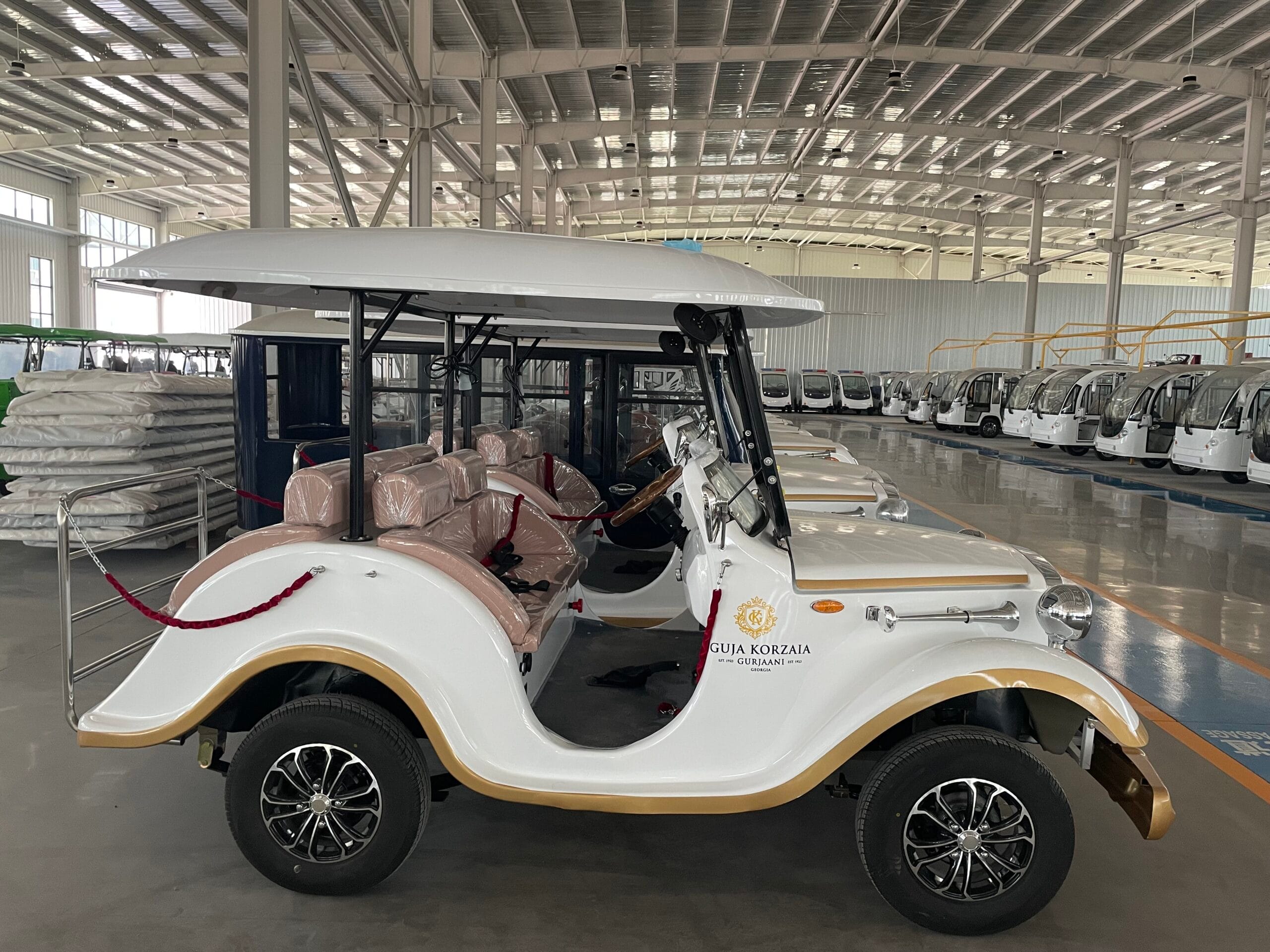
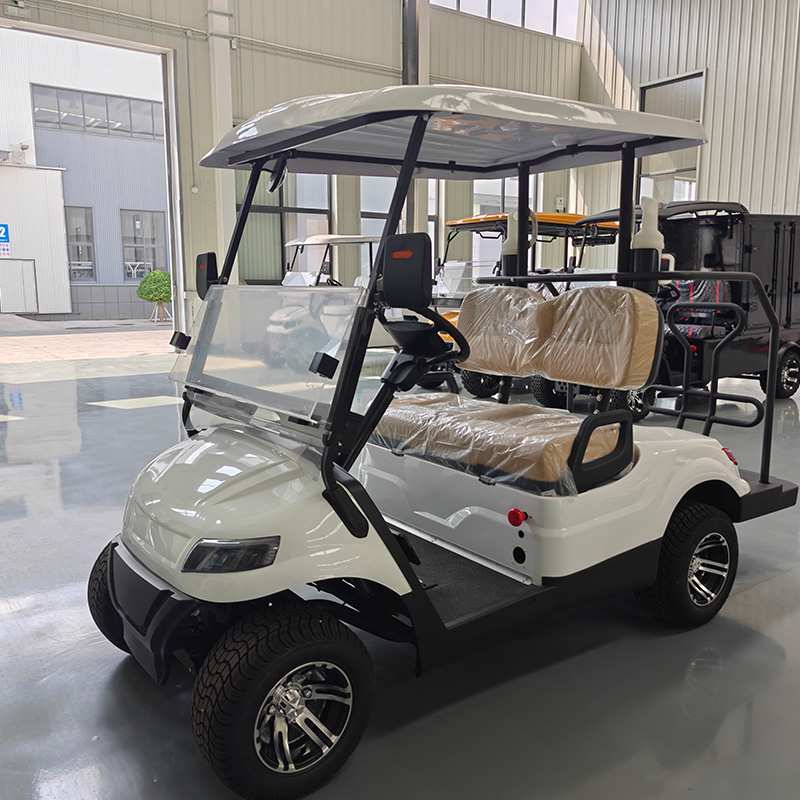
An Electric Sightseeing Vehicle for Eco Friendly Travel is designed to transport visitors around scenic areas, resorts, parks, cultural attractions, tourist districts, and other destinations. Powered by an electric motor and rechargeable battery, this type of vehicle can provide quiet, smooth transportation without producing tailpipe emissions during operation. Depending on its configuration, it may accommodate small groups, provide open-air sightseeing experiences, or include weather protection for passenger comfort.
For tourism operators, an Electric Sightseeing Vehicle for Eco Friendly Travel is more than a transportation option. It can become an important part of a destination’s environmental strategy, customer service offering, and operational planning. Visitors can move between attractions without needing to walk long distances, while businesses can organize transportation more efficiently across large properties.
Electric sightseeing vehicles are also available in different designs, seating capacities, battery configurations, and equipment packages. Some are suitable for golf courses and resort communities, while others are designed for sightseeing routes, botanical gardens, theme parks, waterfront promenades, and heritage destinations. Choosing the right model depends on the terrain, passenger demand, daily travel distance, charging facilities, and local vehicle regulations.
This article explores the benefits, applications, essential features, purchasing considerations, maintenance requirements, and long-term value of an Electric Sightseeing Vehicle for Eco Friendly Travel. Understanding these factors can help tourism businesses select suitable electric transportation solutions and develop more efficient, comfortable, and sustainable sightseeing services.
What Is an Electric Sightseeing Vehicle for Eco Friendly Travel?

An Electric Sightseeing Vehicle for Eco Friendly Travel is an electrically powered passenger vehicle intended primarily for tourism, leisure transportation, and short-distance travel within designated areas. Unlike conventional fuel-powered vehicles, it uses electricity stored in a battery to drive an electric motor. This system enables the vehicle to operate without tailpipe exhaust emissions.
Most electric sightseeing vehicles are designed around passenger convenience rather than high-speed transportation. They typically prioritize easy boarding, clear visibility, smooth acceleration, and comfortable seating. Depending on the intended use, a vehicle may feature an open-sided structure, a canopy roof, transparent weather curtains, doors, safety restraints, or other passenger protection features.
The design of an Electric Sightseeing Vehicle for Eco Friendly Travel can vary considerably. Compact models may carry a small group through narrow resort paths, while larger configurations can transport more passengers between hotels, parking areas, attractions, and visitor centers. Some vehicles are customized with branding, route information, luggage space, or accessibility features.
The following table summarizes the basic characteristics of electric sightseeing vehicles.
| Feature | Description | Benefit for Tourism Operators |
|---|---|---|
| Electric powertrain | Electric motor powered by a rechargeable battery | No tailpipe emissions during operation |
| Rechargeable battery | Stores electricity for vehicle use | Supports planned daily sightseeing routes |
| Passenger seating | Available in different seating configurations | Matches different group sizes |
| Quiet operation | Generally produces less operating noise than combustion vehicles | Creates a more relaxing sightseeing experience |
| Flexible body design | Open-air, canopy, or enclosed configurations may be available | Supports different climates and destinations |
| Charging system | Uses compatible charging equipment | Allows scheduled energy replenishment |
| Customization | May include colors, branding, and passenger amenities | Reinforces destination identity |
When purchasing an Electric Sightseeing Vehicle for Eco Friendly Travel, buyers should distinguish between vehicles designed for private property and those approved for public-road use. Speed limits, registration requirements, safety equipment, lighting, and other specifications vary by jurisdiction. A vehicle that performs well inside a resort may not automatically qualify for public-road operation.
Understanding the intended operating environment is therefore the first step toward selecting an appropriate model.
Why Electric Sightseeing Vehicles Support Eco Friendly Travel
Sustainable tourism involves more than protecting natural landscapes. It also includes managing transportation, energy consumption, visitor movement, and the overall environmental impact of tourism activities. An Electric Sightseeing Vehicle for Eco Friendly Travel can contribute to these objectives when it is selected and operated appropriately.
Reduced Local Air Pollution
One of the most important advantages of an Electric Sightseeing Vehicle for Eco Friendly Travel is the absence of tailpipe emissions during normal electric operation. Conventional gasoline and diesel vehicles release exhaust gases while running, whereas battery-electric vehicles do not produce tailpipe exhaust.
This characteristic can be particularly valuable in enclosed visitor areas, pedestrian-oriented destinations, botanical gardens, and scenic locations where reducing local vehicle pollution is a priority.
For example, a botanical garden may use electric sightseeing vehicles to transport elderly visitors and families between entrances, rest areas, and distant exhibits. Replacing a fuel-powered vehicle with an electric alternative can reduce exhaust emissions along the route and help create a more pleasant visitor environment.
However, electric vehicles are not completely impact-free. Electricity generation, battery production, and vehicle manufacturing can all contribute to environmental impacts. The overall emissions benefit depends on factors such as the electricity source, battery lifespan, vehicle efficiency, and manufacturing processes.
Tourism operators can strengthen the environmental benefits by using renewable electricity where available, maintaining batteries correctly, and operating vehicles efficiently.
Quieter Sightseeing Experiences
Noise can influence how visitors experience a destination. The sound of combustion engines may interrupt conversations, disturb wildlife, or reduce the peaceful atmosphere of gardens, resorts, and heritage areas.
An Electric Sightseeing Vehicle for Eco Friendly Travel generally operates more quietly at low speeds than a comparable fuel-powered vehicle. This can improve passenger conversations and help preserve the atmosphere of destinations designed for relaxation.
Quiet operation can be especially beneficial in the following locations:
- Botanical gardens and landscaped parks
- Resort communities and holiday villages
- Waterfront promenades and scenic districts
- Cultural attractions and heritage areas
- Large hotels with internal transportation routes
- Nature-oriented visitor facilities
Electric vehicles still produce tire, road, and mechanical noise, particularly at higher speeds. Operators should also remember that very quiet vehicles can be less noticeable to pedestrians. Appropriate warning signals, controlled speeds, and clear pedestrian management remain important.
More Efficient Energy Use
Electric motors can convert a substantial proportion of the electricity they receive into useful motion. They also avoid some of the energy losses associated with conventional combustion engines.
An Electric Sightseeing Vehicle for Eco Friendly Travel can be especially useful for repeated short trips, where predictable routes and scheduled charging make energy management easier.
For instance, a resort may establish a fixed shuttle loop connecting guest accommodation, restaurants, recreation facilities, and the main entrance. Because the distance and travel schedule are relatively predictable, managers can estimate daily energy requirements and plan charging periods accordingly.
Energy efficiency is influenced by passenger load, road conditions, elevation, temperature, driving style, battery condition, and auxiliary equipment such as air conditioning. A realistic operating plan should therefore use actual route data rather than relying exclusively on advertised range figures.
Supporting Sustainable Tourism Strategies
Visitors increasingly encounter sustainability initiatives at hotels, resorts, parks, and tourist attractions. Electric transportation can make these initiatives visible through everyday operations.
An Electric Sightseeing Vehicle for Eco Friendly Travel can help a business demonstrate its commitment to cleaner mobility when the vehicle is integrated into a broader environmental program. Supporting measures may include energy-efficient lighting, renewable electricity, waste reduction, water conservation, and responsible landscape management.
The vehicle itself does not make an entire tourism business sustainable. Nevertheless, it can serve as a practical component of a measurable sustainability strategy.
Main Applications of Electric Sightseeing Vehicles
Different tourism destinations have different transportation requirements. Selecting an Electric Sightseeing Vehicle for Eco Friendly Travel requires an understanding of passenger volume, route conditions, journey frequency, weather, and service expectations.
Electric Sightseeing Vehicles for Hotels and Resorts
Large hotels and resorts often cover extensive areas. Guests may need transportation between reception buildings, guest rooms, swimming pools, restaurants, beaches, conference facilities, and parking areas.
An Electric Sightseeing Vehicle for Eco Friendly Travel can provide a convenient internal shuttle service. It can help guests carrying luggage, support visitors with limited mobility when the vehicle is suitably configured, and reduce the need for repeated private-car journeys across the property.
Resort operators may consider several configurations:
- Compact vehicles for narrow internal pathways
- Multi-seat vehicles for regular guest transfers
- Canopy-equipped vehicles for sunny destinations
- Enclosed or weather-protected vehicles for rainy or cooler climates
- Customized vehicles featuring hotel branding and route information
Before selecting a vehicle, managers should evaluate boarding height, seat comfort, luggage capacity, turning space, and the distance between stops. Accessibility requirements should be assessed separately to confirm whether a specific model accommodates wheelchairs or other mobility equipment.
Electric Sightseeing Vehicles for Parks and Gardens
Parks and botanical gardens often contain extensive walking paths and separated attractions. Some visitors may not be able to comfortably walk the entire route, particularly older adults, families with young children, and people with mobility limitations.
An Electric Sightseeing Vehicle for Eco Friendly Travel can provide transportation between designated stops while preserving a quieter atmosphere. Operators can create routes that connect visitor centers, flower displays, lakes, observation points, picnic areas, and rest facilities.
Electric vehicles can also support park management activities when a model is appropriately equipped. Staff may use suitable configurations to transport visitors, carry light supplies, or assist with daily operations.
However, vehicles should only use paths and areas where their dimensions, weight, and operating permissions are appropriate. Narrow pedestrian trails, fragile surfaces, and sensitive habitats may require restrictions.
Electric Sightseeing Vehicles for Theme Parks
Theme parks require reliable transportation systems because attractions, dining facilities, entrances, and parking areas may be spread across large properties.
An Electric Sightseeing Vehicle for Eco Friendly Travel can help transport visitors between designated points, particularly where distances are too long for some guests to walk comfortably.
Theme park operators should pay close attention to passenger throughput, loading time, queue management, turning radius, braking performance, and peak-period demand. A vehicle with a large passenger capacity may appear attractive, but it must also fit the available routes and stopping areas.
A fleet management system can help operators coordinate departures, assign vehicles to busy routes, and schedule charging during lower-demand periods.
Electric Sightseeing Vehicles for Historic Districts
Historic districts often emphasize architecture, cultural preservation, and pedestrian-friendly public spaces. Conventional vehicles can introduce noise and exhaust into areas where visitors expect a slower pace of exploration.
An Electric Sightseeing Vehicle for Eco Friendly Travel can support guided tours through permitted streets or designated routes. Guides can explain local history while passengers observe buildings, monuments, and cultural landmarks.
Before introducing an electric sightseeing service, operators should check vehicle access restrictions, road classifications, heritage protection rules, and local traffic regulations. Some historic streets may be too narrow or sensitive for certain vehicle sizes.
Electric Sightseeing Vehicles for Campuses and Visitor Complexes
Universities, exhibition centers, industrial visitor parks, and large institutional campuses may also need short-distance passenger transportation.
An Electric Sightseeing Vehicle for Eco Friendly Travel can connect parking areas, reception buildings, accommodation, conference facilities, and visitor attractions. Its quiet operation may be helpful in locations where regular activities continue throughout the day.
Organizations can also use vehicle branding to provide directions and improve wayfinding. Where the route includes public roads or mixed pedestrian traffic, appropriate licensing, safety equipment, and operating procedures must be confirmed.
Important Features to Consider Before Buying
Not all electric sightseeing vehicles are designed for the same tasks. A suitable model should match the actual conditions of the destination rather than simply offer the largest battery, the most seats, or the lowest initial price.
Battery Capacity and Driving Range
Battery capacity is one of the most important specifications to evaluate. It affects how much energy the vehicle can store and helps determine whether the vehicle can complete its assigned route between charging sessions.
When assessing an Electric Sightseeing Vehicle for Eco Friendly Travel, buyers should consider the relationship between battery capacity, energy consumption, usable battery capacity, passenger load, and terrain.
A larger battery may provide a longer range, but it can also increase vehicle weight, cost, and charging requirements. A smaller battery may be adequate for short, predictable routes with convenient charging access.
The following table shows the factors that influence practical driving range.
| Factor | Potential Effect on Range | Recommended Action |
|---|---|---|
| Passenger load | More weight can increase energy consumption | Estimate typical and maximum occupancy |
| Uphill routes | Climbing requires additional energy | Evaluate the steepest sections of the route |
| Driving speed | Higher speeds may increase consumption | Set an appropriate operating speed |
| Air conditioning | Cooling and heating consume electricity | Include auxiliary energy use in calculations |
| Battery age | Capacity may decline over time | Plan for long-term battery performance |
| Weather | Extreme temperatures can affect efficiency | Test under expected operating conditions |
| Stop frequency | Repeated acceleration can affect consumption | Evaluate the actual stop-and-go cycle |
Advertised range should be treated as a reference rather than a guarantee. Ask suppliers for test conditions, battery specifications, and realistic performance estimates under a comparable passenger load.
Passenger Capacity and Seating Comfort
Passenger capacity influences route efficiency and customer satisfaction. An Electric Sightseeing Vehicle for Eco Friendly Travel should provide enough seats for typical demand without exceeding its rated capacity.
A compact model may be sufficient for a small resort, while a large tourist attraction may need multiple vehicles or higher-capacity configurations.
Seat width, backrest design, legroom, handrails, boarding steps, and seat materials all affect the passenger experience. Open-sided vehicles can offer better visibility and fresh air, while enclosed designs may provide greater protection against rain and wind.
Buyers should also examine whether the seating arrangement allows passengers to enter and exit safely. Easy boarding can be particularly important for older visitors and families with children.
Motor Performance and Terrain
Motor output should match the route’s gradient, vehicle weight, and passenger load. A vehicle intended for flat resort pathways may perform differently on steep roads or uneven terrain.
When selecting an Electric Sightseeing Vehicle for Eco Friendly Travel, review its rated motor power, torque characteristics, braking system, ground clearance, tire specifications, and permitted operating conditions.
If the destination includes hills, wet surfaces, or rough pathways, ask the manufacturer for documented performance information and conduct a suitable test before placing a large order.
Weather Protection
Weather conditions strongly influence vehicle design. Open-air vehicles may suit mild climates and scenic routes, but they may offer limited protection during heavy rain or intense sunlight.
A canopy can provide shade and help protect passengers from light weather exposure. Side curtains, windshields, doors, and enclosed cabins may offer additional protection, depending on their design.
For destinations with high temperatures, ventilation and effective cooling may be important. For rainy environments, buyers should inspect roof drainage, electrical protection, windshield design, and the quality of weather seals.
Weather protection should be evaluated together with ventilation, visibility, passenger access, and maintenance needs.
Safety Equipment and Vehicle Compliance
Safety is essential for every Electric Sightseeing Vehicle for Eco Friendly Travel. Buyers should verify that the vehicle’s design, equipment, and operating characteristics are appropriate for its intended use.
Important items to examine include:
- Service brakes and parking brakes
- Headlights, indicators, brake lights, and reflectors where required
- Mirrors and driver visibility
- Seat belts or other required passenger restraints
- Tires and suspension components
- Audible warning devices
- Emergency stopping procedures
- Battery protection and electrical safety systems
- Maximum permitted passenger load
- Driver controls and operating instructions
The precise requirements depend on the destination and vehicle classification. Businesses should confirm relevant standards, approvals, insurance requirements, and road-use permissions with the appropriate authorities.
Comparing Electric Sightseeing Vehicles With Fuel Powered Alternatives
When businesses evaluate transportation options, they should consider the entire operating cycle rather than focusing only on the purchase price.
An Electric Sightseeing Vehicle for Eco Friendly Travel may have a higher or lower initial price than a comparable fuel-powered vehicle, depending on the configuration and market. Its total cost of ownership depends on electricity prices, fuel prices, maintenance, battery replacement, usage intensity, financing, and resale value.
The following comparison highlights common differences.
| Comparison Factor | Electric Sightseeing Vehicle | Gasoline or Diesel Vehicle |
|---|---|---|
| Tailpipe emissions | None during electric operation | Produces exhaust emissions |
| Operating noise | Generally quieter at low speeds | Engine noise may be more noticeable |
| Energy source | Electricity | Liquid fuel |
| Refueling or charging | Requires compatible charging facilities | Requires access to fuel |
| Routine maintenance | No engine oil changes or exhaust-system maintenance | Typically requires engine and exhaust-system servicing |
| Drivetrain maintenance | Still requires inspection of motors, tires, brakes, and other components | Requires inspection of engine, drivetrain, and other components |
| Daily route planning | Must account for battery charge and charging access | Must account for fuel availability |
| Environmental impact | Depends partly on electricity generation and battery lifecycle | Depends on fuel use, emissions, and vehicle lifecycle |
Electric vehicles can be attractive for destinations with repeated short routes, predictable daily schedules, and convenient charging access. Fuel-powered alternatives may remain practical where charging infrastructure is unavailable or operating demands exceed the capabilities of available electric models.
A proper evaluation should also consider local electricity generation, battery manufacturing, battery end-of-life management, and the possibility of using renewable energy.
Understanding the Total Cost of Ownership
The total cost of ownership is the estimated cost of purchasing, operating, maintaining, and eventually replacing a vehicle over a chosen period. It is often more useful than comparing purchase prices alone.
For an Electric Sightseeing Vehicle for Eco Friendly Travel, the main cost categories include vehicle acquisition, charging equipment, electricity, maintenance, insurance, battery replacement, financing, and eventual resale or disposal.
Electricity Costs
Electricity costs depend on how much energy the vehicle consumes and the price paid per kilowatt-hour.
A simple estimate can be calculated using the following formula:
Electricity cost per day = Daily energy consumption × Electricity price per kWh
For example, suppose an electric sightseeing vehicle consumes 12 kWh during a typical working day, and the business pays $0.20 per kWh.
The estimated daily electricity cost would be:
12 kWh × $0.20 = $2.40
If the vehicle operates for 300 days annually, the estimated annual electricity cost would be $720.
These figures are illustrative rather than a specification for every vehicle. Actual consumption depends on battery and motor efficiency, route conditions, passenger load, charging losses, and auxiliary equipment.
Maintenance Costs
Electric drivetrains generally have fewer routine engine-related service requirements than conventional combustion powertrains. However, this does not mean an electric sightseeing vehicle is maintenance-free.
Tires, suspension, brakes, steering, lights, battery connections, charging equipment, and safety systems still require inspection. Battery performance should be monitored according to the manufacturer’s recommendations.
An Electric Sightseeing Vehicle for Eco Friendly Travel may reduce certain routine maintenance expenses, but buyers should compare actual service schedules, spare-part prices, warranty coverage, and labor rates.
Battery Replacement Planning
Battery replacement can be a significant long-term expense. Battery life varies according to chemistry, temperature, charging habits, discharge depth, storage conditions, and usage intensity.
Before buying an Electric Sightseeing Vehicle for Eco Friendly Travel, ask the supplier about battery chemistry, warranty duration, warranty capacity thresholds, replacement pricing, and availability of replacement modules.
A written battery management plan can help operators avoid unexpected interruptions and maintain reliable service.
Sample Cost Comparison
The following example demonstrates how an operator could organize a preliminary annual cost comparison. The figures are hypothetical and should be replaced with local quotations and actual vehicle data.
| Cost Category | Electric Vehicle | Fuel Powered Vehicle |
|---|---|---|
| Annual energy or fuel expense | $720 | $2,400 |
| Annual routine maintenance | $500 | $900 |
| Annual charging or energy-related infrastructure allowance | $200 | $100 |
| Annual insurance and other operating costs | $1,000 | $1,000 |
| Illustrative annual operating total | $2,420 | $4,400 |
In this example, the electric vehicle has an estimated annual operating cost advantage of $1,980. The calculation excludes differences in purchase price, financing, depreciation, and major battery or engine repairs.
The example does not prove that every electric vehicle will save the same amount. Businesses should compare vehicles with similar passenger capacities and operating conditions and include all major expenses over the planned ownership period.
How to Choose the Right Electric Sightseeing Vehicle for Your Business
Purchasing decisions should begin with a clear understanding of the intended service. A vehicle that suits a luxury resort may not be ideal for a busy theme park or a large public attraction.
Define Your Transportation Requirements
Start by identifying the purpose of the vehicle. Will it provide short transfers, continuous sightseeing tours, guided excursions, or scheduled shuttle services?
An Electric Sightseeing Vehicle for Eco Friendly Travel should be selected according to the route distance, daily operating hours, passenger volume, terrain, weather, and expected service frequency.
For example, a resort operating a short loop may prioritize maneuverability and passenger comfort. A major tourist attraction may place greater emphasis on passenger capacity, boarding efficiency, charging schedules, and fleet availability.
Estimate Daily Mileage
Estimate the total distance the vehicle must cover during a normal day, including repositioning between stops and returning to its parking or charging area.
Then add a reasonable operating reserve to account for unexpected demand, route changes, and performance variation. The reserve should be based on actual route data rather than an arbitrary percentage alone.
If a vehicle must operate continuously for an extended period, consider whether scheduled charging, battery capacity, or an additional vehicle is the most practical solution.
Evaluate Charging Infrastructure
Charging infrastructure affects both convenience and fleet utilization.
Before choosing an Electric Sightseeing Vehicle for Eco Friendly Travel, confirm the required charging voltage, connector type, charger power, electrical supply, installation conditions, and manufacturer-approved charging procedures.
A small fleet operating predictable daytime routes may be able to recharge overnight. A busy attraction with extended operating hours may need additional charging points or a rotation schedule.
Businesses should also evaluate electrical installation costs, site permissions, cable management, weather protection, and safe access to charging locations.
Compare Manufacturers and Suppliers
A reliable supplier should provide clear technical specifications and practical after-sales support.
When comparing manufacturers, request details about:
- Vehicle dimensions and rated passenger capacity
- Battery chemistry and usable capacity
- Motor output and controller specifications
- Charging time under stated conditions
- Realistic range estimates
- Braking, suspension, and tire specifications
- Applicable safety certifications and approvals
- Warranty coverage for the vehicle and battery
- Spare-parts availability
- Maintenance instructions and service support
- Customization options and delivery schedules
Ask for a demonstration or test drive whenever possible. An Electric Sightseeing Vehicle for Eco Friendly Travel should be evaluated under conditions that resemble the intended route and passenger load.
Consider Customization Options
Customization can help a vehicle fit the identity and operational needs of a destination.
Possible options include exterior colors, logos, route signs, passenger information displays, canopies, seat materials, storage compartments, and selected accessibility features.
However, modifications should not compromise structural integrity, visibility, vehicle stability, passenger capacity, or regulatory compliance. Buyers should ask the manufacturer to confirm whether each requested modification is approved for the vehicle model.
Improving Passenger Comfort and the Visitor Experience
Transportation quality can influence how visitors perceive a tourism business. An Electric Sightseeing Vehicle for Eco Friendly Travel should therefore be evaluated not only as a machine but also as part of the customer experience.
Comfortable Seating and Easy Boarding
Passengers may spend several minutes or even an hour traveling between attractions. Seat padding, back support, legroom, handrails, and boarding height can make a meaningful difference.
For destinations serving families and older visitors, operators should pay special attention to safe entry and exit. The design should allow passengers to board without unnecessary difficulty while keeping steps, doors, and handholds secure.
Where accessibility is a requirement, confirm the availability of suitable boarding equipment, wheelchair accommodation, and restraint systems rather than assuming a standard sightseeing vehicle will meet those needs.
Clear Sightlines and Scenic Views
Sightseeing vehicles should allow passengers to enjoy the surrounding landscape. Open-sided designs can provide excellent visibility and airflow, while enclosed vehicles can protect occupants from weather.
The best choice depends on the destination, climate, route conditions, and passenger expectations.
For a coastal resort, an open vehicle with a canopy may provide an enjoyable way to explore the grounds. In an area with frequent rain, an enclosed model may support more reliable service.
A Quiet and Relaxing Journey
An Electric Sightseeing Vehicle for Eco Friendly Travel can contribute to a more relaxing trip through its relatively quiet operation. Passengers may find it easier to hear tour guides, speak with companions, and appreciate natural surroundings.
Operators can improve this experience by avoiding sudden acceleration, maintaining appropriate speeds, and ensuring that suspension, tires, and seats remain in good condition.
Quiet operation should also be balanced with pedestrian safety. Clear route markings, controlled speeds, and suitable warning signals help create a safer shared environment.
Integrating Guided Tours
Electric sightseeing vehicles can be integrated into guided tourism services. A driver or guide can introduce local landmarks, explain the history of a site, and direct attention to points of interest.
Businesses may combine transportation with audio guides, multilingual information, scheduled stops, or themed sightseeing packages.
For example, a heritage attraction could offer a guided loop with several designated stops. A resort could create a scenic evening route, while a botanical garden might organize educational tours focusing on plants and conservation.
These services can create additional value beyond transportation alone.
Fleet Management for Electric Sightseeing Vehicles
A well-managed fleet helps ensure that vehicles are available when visitors need them. For larger tourism businesses, fleet planning can also reduce charging delays, avoid unnecessary mileage, and improve maintenance scheduling.
Plan Routes Around Demand
Review visitor arrival patterns, peak hours, group sizes, and the distance between major destinations. Use this information to determine how many vehicles are needed and how frequently they should depart.
An Electric Sightseeing Vehicle for Eco Friendly Travel can be assigned to fixed routes when passenger demand is predictable. More flexible operations may be suitable for resorts where requests vary throughout the day.
Operators should monitor passenger waiting times and vehicle occupancy to identify whether the fleet is too small, too large, or poorly distributed.
Establish a Charging Schedule
Charging should be planned around actual vehicle use.
A simple operating schedule might assign vehicles to morning and afternoon shifts, with charging during quieter periods. Vehicles with sufficient range may charge overnight, while more intensively used fleets may require staggered charging throughout the day.
The schedule should account for charging time, battery condition, charger availability, and the possibility of unexpected route demand.
Monitor Energy Consumption
Recording daily mileage, charging energy, and passenger volume helps managers understand how efficiently vehicles are operating.
If an Electric Sightseeing Vehicle for Eco Friendly Travel begins consuming significantly more energy than usual, the cause may include tire pressure, route changes, increased passenger loads, battery deterioration, or a developing mechanical problem.
Regular monitoring can help operators identify issues before they lead to service interruptions.
Keep Spare Vehicles or Alternative Arrangements
Vehicle downtime can disrupt scheduled tours and guest transfers. Businesses should consider how they will maintain service when a vehicle requires maintenance or charging.
Depending on the size of the operation, the solution may involve keeping a spare vehicle, maintaining a backup transportation arrangement, or adjusting route frequency during maintenance periods.
A fleet plan should balance reliability against the cost of owning and maintaining unused capacity.
Maintenance Practices for Long Term Reliability
Proper maintenance protects passengers, supports reliable operations, and helps extend the useful life of an electric sightseeing vehicle.
Although electric powertrains can simplify certain service tasks, operators should follow the manufacturer’s maintenance schedule and train staff to identify warning signs.
Inspect the Vehicle Before Daily Operation
A basic daily inspection should include tires, steering, brakes, lights, mirrors, seats, handrails, passenger restraints, and visible electrical components.
The driver should confirm that the vehicle is free of obvious damage and that any required safety equipment is available.
If the vehicle shows a brake problem, damaged wiring, abnormal battery behavior, or another potentially serious defect, it should be removed from service until appropriately inspected.
Follow Battery Care Guidelines
Battery maintenance requirements depend on the battery chemistry and vehicle design. Operators should use compatible charging equipment and follow the manufacturer’s recommendations for charging, storage, temperature management, and periodic inspection.
Avoid using unapproved chargers or making unauthorized changes to the battery management system.
For an Electric Sightseeing Vehicle for Eco Friendly Travel, battery performance records can provide useful information about range changes, charging behavior, and long-term fleet planning.
Maintain Tires, Brakes, and Suspension
Tires affect traction, handling, ride comfort, and energy consumption. Incorrect pressure, uneven wear, or damaged tires can reduce efficiency and increase safety risks.
Brakes and suspension should also be checked regularly, especially if vehicles operate on slopes, uneven roads, or routes with frequent stops.
Regenerative braking may reduce some friction-brake wear on certain electric vehicles, but it does not eliminate the need for regular brake inspections.
Arrange Professional Servicing
Complex electrical, battery, controller, and motor problems should be assessed by qualified technicians familiar with the vehicle model.
Before purchasing, confirm whether the supplier offers technical support, diagnostic equipment, replacement parts, and service training.
Good after-sales support can be particularly important for tourism businesses that depend on their vehicles every day.
Environmental Considerations Beyond Electric Power
Choosing an Electric Sightseeing Vehicle for Eco Friendly Travel is a positive step toward cleaner local transportation, but a comprehensive environmental strategy should consider the vehicle’s entire lifecycle.
Use Cleaner Electricity Where Possible
The environmental benefits of electric transportation depend partly on how electricity is generated. Charging with electricity from low-carbon sources generally reduces associated emissions compared with charging from more carbon-intensive sources.
Where practical, tourism operators can explore renewable electricity contracts, on-site solar generation, or charging arrangements that make better use of cleaner electricity.
Any emissions comparison should use reliable local energy data and clearly state the assumptions behind the calculation.
Extend Vehicle and Battery Lifespan
Maintaining a vehicle properly can help extend its service life and reduce the need for premature replacement.
Operators should follow maintenance schedules, avoid unnecessary heavy loads, protect the battery from unsuitable storage conditions, and address faults promptly.
Battery reuse and recycling programs may also help recover materials and reduce waste. Businesses should ask suppliers about responsible battery collection, recycling partnerships, and end-of-life procedures.
Reduce Unnecessary Vehicle Trips
An electric vehicle still consumes energy and requires materials to manufacture. Operating efficiently therefore remains important.
Tourism businesses can combine nearby stops, coordinate guest transfers, and optimize routes to reduce unnecessary mileage.
An Electric Sightseeing Vehicle for Eco Friendly Travel provides the greatest operational value when its capacity, route, and schedule are matched to genuine transportation demand.
Protect Natural Areas
Quiet, zero-tailpipe-emission operation does not automatically make every route environmentally appropriate.
Vehicles should avoid sensitive habitats, unstable terrain, protected trails, and pedestrian-only areas unless access is explicitly permitted.
Businesses should also consider soil compaction, wildlife disturbance, runoff, and the visual impact of charging equipment and vehicle parking areas.
Sustainable tourism requires thoughtful planning as well as cleaner technology.
Common Mistakes to Avoid When Purchasing

Even a well-designed Electric Sightseeing Vehicle for Eco Friendly Travel may perform poorly if it is purchased without proper planning.
One common mistake is selecting a vehicle based only on its advertised driving range. Range figures depend on test conditions, and real-world performance may be lower when the vehicle carries a full passenger load, travels uphill, or uses air conditioning.
Another mistake is ignoring the total cost of ownership. A low purchase price may be offset by poor energy efficiency, limited battery warranty coverage, expensive replacement parts, or insufficient after-sales service.
Some buyers also overlook route dimensions. A large vehicle may offer more seats but prove difficult to maneuver through narrow pathways or crowded visitor areas.
Charging infrastructure is another important consideration. Purchasing an electric vehicle before confirming electrical capacity, charger compatibility, and installation requirements can create delays and additional expenses.
Finally, businesses sometimes underestimate the importance of safety documentation and local regulations. A vehicle intended for private property may not be permitted on public roads, and requirements may differ between jurisdictions.
To avoid these problems, prepare a detailed specification list, compare multiple suppliers, verify technical claims, and test the vehicle under realistic conditions before committing to a fleet purchase.
Future Trends in Electric Sightseeing Vehicles
The electric sightseeing vehicle market continues to develop as battery technology, charging systems, vehicle design, and fleet management tools improve.
Better Battery Technology
Battery development may improve energy density, charging performance, durability, and lifecycle management. The practical benefits available to a buyer will depend on the chemistry, design, price, and maturity of a particular product.
Tourism operators should compare independently documented specifications instead of assuming that every newer battery offers superior performance in every operating condition.
Smarter Fleet Management
Digital fleet systems can help operators monitor location, mileage, energy consumption, maintenance schedules, and charging status.
For larger fleets, these tools can improve vehicle allocation and help managers identify inefficiencies. The value depends on whether the software integrates with the vehicles and fits the operator’s actual workflow.
More Flexible Vehicle Designs
Manufacturers continue to develop different seating layouts, weather-protection systems, passenger amenities, and body configurations.
An Electric Sightseeing Vehicle for Eco Friendly Travel may be customized for particular destinations, provided that modifications remain compatible with safety requirements and approved vehicle specifications.
Greater Focus on the Passenger Experience
Future vehicle designs may place greater emphasis on accessibility, ergonomic seating, passenger information, and improved weather protection.
These features can help tourism operators serve a wider range of visitors. However, accessibility and comfort should be evaluated against measurable design specifications rather than marketing descriptions alone.
If you need electric tricycles or other services, please contact us!
Email: lyf18265443311@gmail.com
WhatsApp: +86 15853422441
WhatsApp: +86 18265443311
Phone:+86 15853422441
Facebook: https://www.facebook.com/people/NengFu-New-Energy-Vehicle/61577819953210/
Youtube: https://www.youtube.com/@Cargo-car/shorts
Conclusion
An Electric Sightseeing Vehicle for Eco Friendly Travel offers tourism businesses a practical way to improve passenger transportation while supporting cleaner and quieter operations. From hotels and resorts to parks, theme parks, and heritage attractions, these vehicles can help visitors travel between destinations comfortably and efficiently.
The main advantages include zero tailpipe emissions during electric operation, relatively quiet performance, efficient electric propulsion, and flexible vehicle configurations. When paired with appropriate charging infrastructure and effective fleet management, an Electric Sightseeing Vehicle for Eco Friendly Travel can become a valuable part of a destination’s transportation strategy.
However, choosing the right vehicle requires more than comparing prices or advertised driving ranges. Buyers should evaluate battery capacity, realistic range, passenger comfort, motor performance, weather protection, safety features, local compliance, and long-term maintenance costs. Charging availability and after-sales support should also be considered before making a purchasing decision.
Tourism businesses can maximize the value of their investment by matching vehicle capacity to visitor demand, planning efficient routes, monitoring energy consumption, and following a consistent maintenance schedule. They can further strengthen environmental performance by using cleaner electricity, extending battery life, and managing vehicle end-of-life responsibly.
As sustainable tourism becomes an increasingly important consideration for destinations around the world, the Electric Sightseeing Vehicle for Eco Friendly Travel can provide a useful combination of operational flexibility, visitor comfort, and environmental responsibility. With careful planning and the right vehicle configuration, tourism operators can create more convenient sightseeing experiences while moving toward a cleaner and more efficient transportation system.
FAQ
What Is an Electric Sightseeing Vehicle for Eco Friendly Travel?
An Electric Sightseeing Vehicle for Eco Friendly Travel is a battery-powered passenger vehicle designed for tourism, leisure transportation, and short-distance travel. It can be used in resorts, parks, gardens, theme parks, campuses, and other visitor destinations. Because it produces no tailpipe emissions during electric operation, it can support efforts to reduce local air pollution and vehicle noise.
How Far Can an Electric Sightseeing Vehicle Travel on One Charge?
The driving range depends on battery capacity, passenger load, route conditions, driving speed, weather, and auxiliary equipment. Some vehicles are designed for short internal shuttle routes, while others offer greater range for larger destinations. Buyers should request realistic range estimates based on their intended operating conditions and maintain an appropriate energy reserve.
Is an Electric Sightseeing Vehicle More Economical Than a Fuel Powered Vehicle?
It can be more economical to operate, particularly when electricity is relatively inexpensive and the vehicle completes frequent, predictable short trips. Electric vehicles may also require less routine powertrain maintenance. However, purchase price, battery replacement, charging infrastructure, insurance, and local energy costs must all be considered when comparing total ownership expenses.
Where Can an Electric Sightseeing Vehicle for Eco Friendly Travel Be Used?
An Electric Sightseeing Vehicle for Eco Friendly Travel can be used in hotels, resorts, botanical gardens, theme parks, tourist attractions, heritage districts, campuses, and other suitable locations. The vehicle must match the route, terrain, passenger requirements, and local regulations. Public-road use may require specific approvals, safety equipment, registration, and insurance.
How Can Buyers Choose a Reliable Electric Sightseeing Vehicle Manufacturer?
Buyers should compare battery specifications, motor performance, passenger capacity, charging requirements, safety equipment, warranty coverage, spare-parts availability, and after-sales service. It is also helpful to request technical documentation, inspect the vehicle, and conduct a test drive under realistic operating conditions. A reliable manufacturer should clearly explain product limitations and help the buyer select a configuration suited to the intended destination.