Introduction
Modern transportation is changing as more people look for practical, comfortable, and efficient ways to move around their communities. For daily commuting, shopping, family transportation, neighborhood travel, and short-distance deliveries, traditional bicycles and larger vehicles are not always the most convenient choices. An electric bike tricycle offers a useful alternative by combining the familiar riding experience of a bicycle with electric assistance and the stability of three wheels.
An electric bike tricycle can provide a more balanced riding experience while reducing the physical effort required for everyday travel. The electric motor helps riders handle starts, hills, longer distances, and heavier loads with greater ease. At the same time, the three-wheel configuration can provide additional stability compared with a conventional two-wheel bicycle.
For adults who want practical personal transportation, an electric bike tricycle can be suitable for a wide range of applications. Depending on its design, an electric bike tricycle can be used for commuting, grocery shopping, recreational riding, carrying small loads, visiting local businesses, or traveling around residential communities.
The growing interest in an electric bike tricycle is also connected with changing transportation needs. People increasingly want vehicles that are affordable to operate, easy to use, compact enough for local roads, and flexible enough for different daily activities. Compared with larger vehicles, an electric bike tricycle can be easier to maneuver in many low-speed environments.
Choosing the right electric bike tricycle, however, requires more than simply looking at appearance. Motor performance, battery capacity, frame construction, braking systems, tires, seating position, storage capacity, comfort, and intended application should all be considered before making a decision.
This guide explains how an electric bike tricycle works, why people choose one for everyday transportation, what features matter most, and how to select an electric bike tricycle that matches different lifestyles and transportation requirements.
What Is an Electric Bike Tricycle?
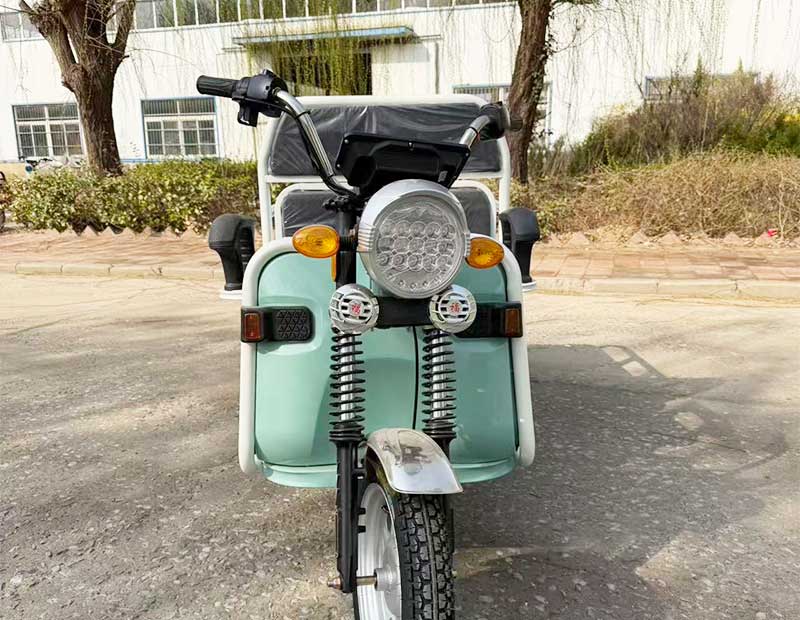
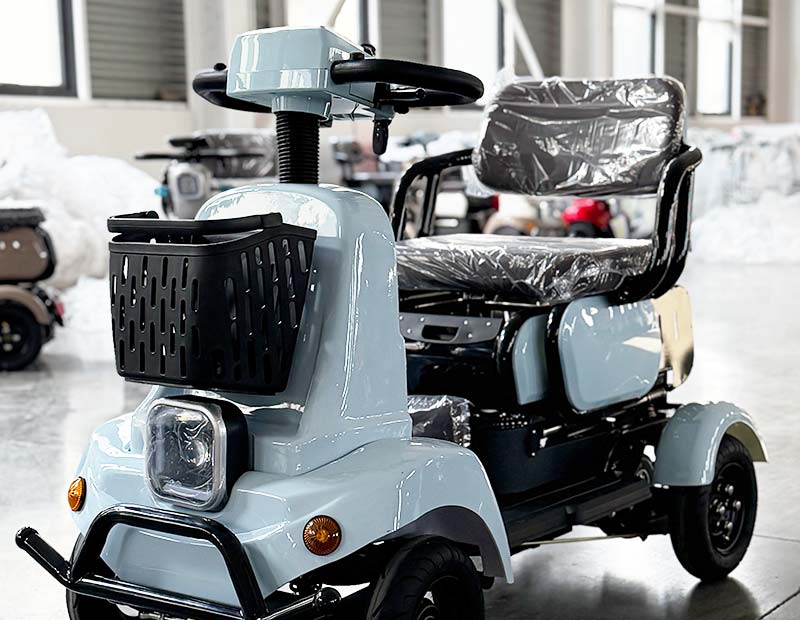
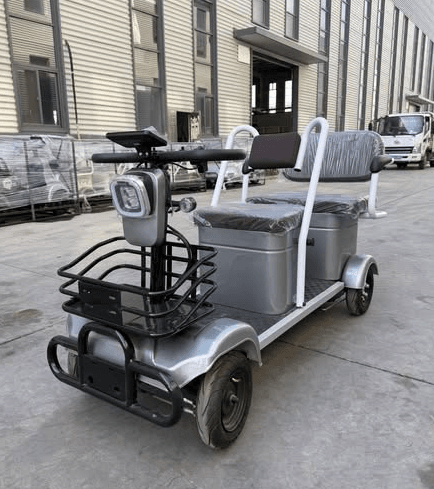
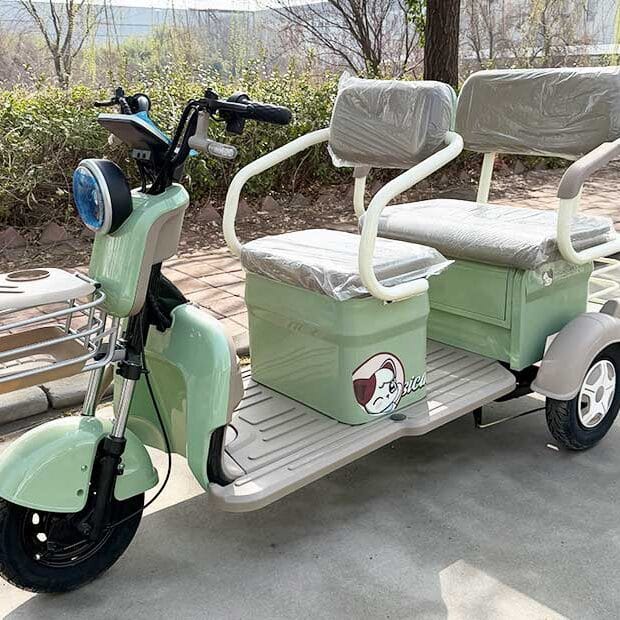
An electric bike tricycle is a three-wheel vehicle that combines bicycle-style operation with an electric power system. It normally includes a frame, three wheels, handlebars, a saddle or seat, an electric motor, a rechargeable battery, a controller, brakes, and other supporting components.
Unlike a conventional bicycle, an electric bike tricycle has three contact points with the ground. This configuration can provide a different balance and riding experience, especially at lower speeds and during everyday transportation tasks.
The electric system is another important part of the design. When the rider activates the electric assistance, the motor provides additional power. This reduces the amount of physical effort required to accelerate or maintain movement, depending on the vehicle’s configuration and local regulations.
Different electric bike tricycle designs can serve different purposes. Some are designed primarily for personal transportation, while others include rear cargo areas, passenger seats, larger baskets, or specialized bodies.
| Electric Bike Tricycle Type | Common Application | Main Advantage |
|---|---|---|
| Adult electric tricycle | Daily transportation | Comfortable and practical |
| Cargo electric tricycle | Shopping and transport | Additional carrying capacity |
| Passenger electric tricycle | Family or passenger travel | Extra seating |
| Recreational tricycle | Leisure riding | Relaxed riding experience |
| Utility electric tricycle | Local work and errands | Flexible transportation |
| Compact electric tricycle | Urban travel | Maneuverability and storage |
The basic concept remains the same: an electric bike tricycle combines three-wheel stability with electric assistance to create a practical transportation solution.
Why Choose an Electric Bike Tricycle for Everyday Travel?
The main reason people consider an electric bike tricycle is practicality. Everyday transportation often involves more than simply traveling from one location to another. Riders may need to carry groceries, manage hills, travel for extended periods, or make multiple stops.
An electric bike tricycle can address several of these requirements in one vehicle.
Greater Riding Stability
Three wheels create a different balance structure from a standard bicycle. For riders who prefer a more stable platform, an electric bike tricycle can be an attractive option.
The wider overall structure can also make it easier to carry certain loads. However, riders should still operate an electric bike tricycle carefully, especially when turning, riding on uneven surfaces, or traveling on slopes.
Electric Assistance
One of the most useful characteristics of an electric bike tricycle is motor assistance. Pedaling or operating the vehicle can require less effort when electric power is available.
This can be particularly useful during:
- Uphill travel
- Longer daily journeys
- Frequent starts and stops
- Carrying cargo
- Commuting
- Recreational riding
- Local errands
The exact performance of an electric bike tricycle depends on its motor, battery, weight, rider load, terrain, and riding conditions.
Practical Carrying Capacity
Many electric bike tricycle models are designed with storage space. A rear basket, cargo box, platform, or enclosed compartment can turn the vehicle into a useful everyday transportation tool.
For example, a rider may use an electric bike tricycle to transport groceries, packages, tools, personal belongings, or other lightweight goods.
Convenient Short-Distance Transportation
An electric bike tricycle can be particularly useful for local trips. Instead of using a full-size vehicle for every short journey, riders can use a compact electric bike tricycle for suitable routes.
This makes the electric bike tricycle relevant to residential areas, local shopping districts, campuses, parks, and other environments where compact transportation is useful.
Key Features to Look for in an Electric Bike Tricycle
Not every electric bike tricycle is designed in the same way. When comparing different models, it is important to examine the specifications rather than focusing only on exterior styling.
Motor Performance
The motor is one of the most important components of an electric bike tricycle. Motor output affects acceleration, climbing ability, and the amount of assistance available during operation.
A motor should be selected according to the intended application. A lightweight electric bike tricycle used primarily on flat roads may have different requirements from a cargo-oriented electric bike tricycle used on inclines.
Motor performance should therefore be considered together with total vehicle weight, rider weight, cargo weight, terrain, and expected riding conditions.
Battery Capacity
Battery capacity affects how much electrical energy an electric bike tricycle can store. Larger battery capacity can generally support longer operation, although actual range depends on many variables.
| Battery Consideration | Why It Matters |
|---|---|
| Capacity | Determines available stored energy |
| Voltage | Works with the motor and electrical system |
| Charging time | Affects daily convenience |
| Battery location | Influences weight distribution |
| Battery protection | Supports long-term reliability |
| Replacement availability | Important for future maintenance |
When selecting an electric bike tricycle, buyers should not evaluate battery capacity alone. The relationship between battery capacity, motor output, vehicle weight, terrain, rider load, and riding habits is more important.
Frame Construction
The frame supports the rider, battery, motor system, wheels, and cargo. A well-designed electric bike tricycle should have a frame structure appropriate for its intended load.
For cargo-oriented applications, frame strength becomes particularly important. A recreational electric bike tricycle may prioritize lightweight construction and comfortable handling, while a utility model may emphasize durability and load capacity.
Braking System
Reliable braking is essential for any electric bike tricycle. Since electric assistance can increase travel speed compared with an unpowered bicycle, the braking system should be appropriately matched to the vehicle.
Depending on the design, an electric bike tricycle may use mechanical or hydraulic braking systems. Buyers should also consider brake maintenance, replacement parts, and the conditions in which the vehicle will be used.
Tires and Wheels
The wheels and tires influence comfort, traction, stability, and handling. Wider tires may provide a different riding experience from narrow tires, while tread patterns can affect performance on different surfaces.
For an electric bike tricycle used frequently, tire availability is also worth considering. Standard and easily available tire sizes can make future maintenance more convenient.
Electric Bike Tricycle Comfort for Daily Riders
Comfort is often overlooked when people compare electric vehicles. However, an electric bike tricycle intended for everyday use may be ridden for significant periods, making ergonomic design important.
Comfortable Seat
A supportive seat can improve the riding experience, especially during longer journeys. Seat width, cushioning, height adjustment, and riding position can all influence comfort.
Handlebar Position
Handlebar design affects posture and control. An electric bike tricycle should allow the rider to maintain a natural and comfortable position.
Different riders have different preferences, so adjustable handlebars can provide additional flexibility.
Step-Through Frame
A step-through frame can make mounting and dismounting easier. This type of design can be useful for riders who prioritize convenience during frequent stops.
Suspension
Depending on the model, an electric bike tricycle may include front or rear suspension. Suspension can help reduce the impact of uneven surfaces and improve comfort.
However, suspension also adds components and weight, so it should be selected according to the expected riding environment.
Electric Bike Tricycle for Commuting
Daily commuting is one of the most practical applications for an electric bike tricycle. For short and medium-distance travel, it can provide a convenient alternative to walking, conventional cycling, or larger vehicles.
A commuter-focused electric bike tricycle should ideally provide a comfortable riding position, sufficient battery capacity, dependable brakes, useful lighting, and practical storage.
For people who travel to work, school, local stores, or nearby facilities, an electric bike tricycle can simplify transportation by combining electric assistance with compact vehicle dimensions.
| Commuting Requirement | Recommended Electric Bike Tricycle Feature |
|---|---|
| Daily commuting | Reliable motor and battery |
| Longer routes | Higher practical battery capacity |
| Frequent stops | Comfortable step-through design |
| Carrying a laptop or bag | Rear basket or cargo area |
| Evening travel | Integrated lighting |
| Uneven roads | Suitable tires and suspension |
Route planning is also important. Riders should choose roads and paths where electric bike tricycles are permitted and appropriate.
Electric Bike Tricycle for Shopping and Errands
Shopping is another everyday situation where a three-wheel electric vehicle can be useful. A conventional bicycle may have limited carrying space, while a larger vehicle may be unnecessary for small shopping trips.
An electric bike tricycle with a rear basket or cargo compartment can provide additional carrying capacity.
A practical shopping-oriented electric bike tricycle may include:
- Large rear basket
- Stable cargo platform
- Secure storage compartment
- Comfortable seat
- Easy mounting
- Electric assistance
- Durable tires
- Reliable braking
For regular grocery shopping, users should pay attention to both the maximum load capacity and the physical dimensions of the cargo area. A large cargo space is useful only if it can safely support the required weight.
Electric Bike Tricycle for Cargo Transportation
Cargo transportation expands the usefulness of an electric bike tricycle beyond personal mobility. Small businesses, delivery operators, market vendors, maintenance workers, and local service providers may use cargo-oriented models for short-distance transportation.
A cargo electric bike tricycle generally has a stronger frame and dedicated storage area.
| Cargo Feature | Practical Benefit |
|---|---|
| Reinforced frame | Supports heavier loads |
| Large cargo box | Protects and organizes goods |
| Flat cargo platform | Flexible loading |
| High-capacity battery | Supports demanding operation |
| Strong motor | Helps with loaded travel |
| Durable tires | Suitable for frequent use |
The exact carrying capacity should always be checked against the manufacturer’s specifications. Overloading an electric bike tricycle can affect handling, braking, stability, and component life.
Electric Bike Tricycle for Seniors and Comfortable Mobility
Some adults prefer three-wheel transportation because they want a different balance experience from a conventional bicycle. An electric bike tricycle can offer a comfortable platform for suitable low-speed travel.
The most important considerations include easy mounting, comfortable seating, accessible controls, effective braking, adequate lighting, and a suitable riding position.
A senior-oriented electric bike tricycle should not be selected based on appearance alone. Ease of use and controllability are particularly important.
Before riding regularly, users should become familiar with starting, stopping, turning, braking, and handling the vehicle at low speeds. Local regulations and individual riding conditions should also be considered.
How Battery and Range Affect an Electric Bike Tricycle
Battery range is one of the most frequently discussed features of an electric bike tricycle. However, there is no single range figure that applies to every rider.
Actual range can be influenced by:
- Battery capacity
- Motor output
- Rider weight
- Cargo weight
- Road conditions
- Hills and slopes
- Wind
- Riding speed
- Temperature
- Tire pressure
- Frequency of acceleration
- Riding mode
For this reason, advertised range should be viewed as a reference rather than a guaranteed result for every situation.
If a rider regularly travels 20 kilometers per day, for example, it can be useful to select an electric bike tricycle with enough practical battery capacity to provide a comfortable margin.
Charging habits also matter. Riders should follow the battery manufacturer’s charging recommendations and avoid unnecessary exposure to extreme environmental conditions.
Choosing the Right Electric Bike Tricycle Motor
The appropriate motor depends heavily on the vehicle’s intended use.
A lightweight electric bike tricycle for flat urban travel may require less power than a cargo-oriented electric bike tricycle used on hills.
| Usage Scenario | Motor Consideration |
|---|---|
| Flat city travel | Moderate assistance may be sufficient |
| Daily commuting | Balanced efficiency and performance |
| Hilly routes | Stronger climbing capability |
| Cargo transportation | Higher load-oriented performance |
| Longer-distance riding | Efficiency and battery matching |
| Mixed terrain | Balanced power and control |
The motor should never be evaluated independently from the rest of the electric system. Motor output, controller configuration, battery capacity, gearing, tire size, and total vehicle weight all contribute to the overall riding experience.
Safety Considerations for Electric Bike Tricycle Riders
Safety should remain a priority when using an electric bike tricycle.
Although three wheels can provide a stable platform, riders still need to understand how the vehicle behaves during turns and on different surfaces.
Control Speed
Riders should select a suitable speed for road conditions, traffic, weather, and visibility.
Brake Smoothly
Braking should be controlled and appropriate to the road surface. Riders should understand how both front and rear braking systems operate before regular use.
Be Careful When Turning
Three-wheel vehicles can behave differently from two-wheel bicycles during turns. Riders should slow down before turning and avoid aggressive cornering.
Check Tires
Proper tire inflation can influence handling, comfort, efficiency, and braking performance.
Use Lighting
For low-light travel, appropriate front and rear lighting can improve visibility.
Secure Cargo
Cargo should be distributed and secured properly. Loose or unevenly positioned loads can affect the handling of an electric bike tricycle.
Electric Bike Tricycle Design and Storage
Storage is an important consideration for everyday users. The physical size of an electric bike tricycle determines whether it can be stored conveniently at home, at work, or in another location.
Before purchasing, users should measure:
- Garage width
- Door width
- Storage area length
- Turning space
- Parking space
- Charging location
A compact electric bike tricycle may be easier to store, while a larger cargo model may require more dedicated space.
If indoor storage is not possible, users should consider weather protection. Prolonged exposure to rain, humidity, direct sunlight, or extreme temperatures may affect certain components over time.
Comparing Electric Bike Tricycle With Other Transportation Options
An electric bike tricycle occupies a useful position between a conventional bicycle and larger vehicles.
| Transportation Type | Electric Assistance | Stability | Cargo Potential | Compactness |
|---|---|---|---|---|
| Standard bicycle | No | Two-wheel balance | Limited | High |
| Electric bicycle | Yes | Two-wheel balance | Moderate | High |
| Electric bike tricycle | Yes | Three-wheel platform | Moderate to high | Moderate |
| Small car | Yes | Four-wheel | High | Lower |
| Motorcycle | Yes | Two-wheel | Moderate | Moderate |
The right option depends on the rider’s route, budget, storage conditions, transportation needs, and local regulations.
An electric bike tricycle is particularly relevant when users want electric assistance and carrying capability without moving directly to a full-size vehicle.
How to Choose the Best Electric Bike Tricycle for Your Needs
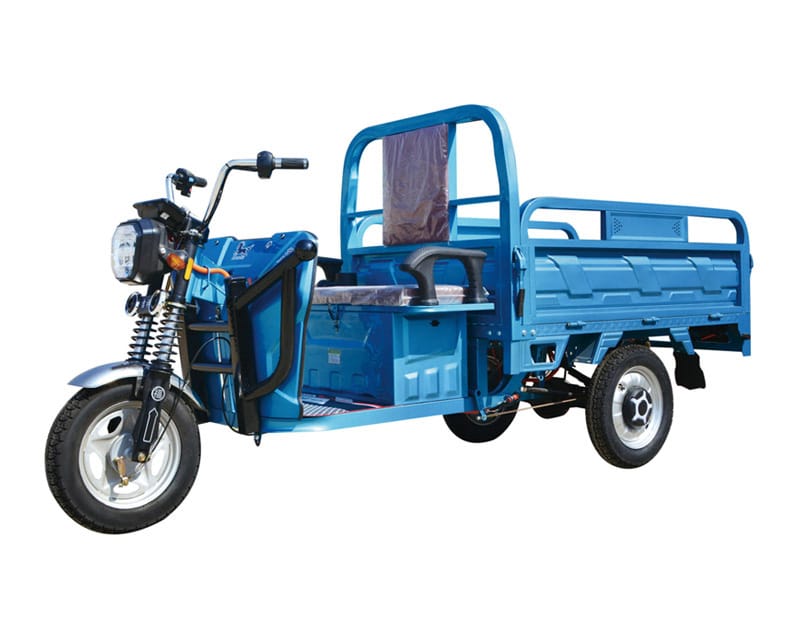
Selecting an electric bike tricycle becomes easier when the purchasing process is divided into several steps.
Step 1: Define the Main Purpose
Start by identifying how the vehicle will be used.
Will it mainly be used for commuting? Shopping? Recreation? Cargo transportation? Passenger travel?
The answer determines which features deserve the most attention.
Step 2: Calculate Your Typical Travel Distance
Estimate your normal daily travel distance rather than choosing a battery based only on marketing claims.
Consider the possibility of additional trips, hills, weather conditions, and cargo.
Step 3: Determine the Required Load
If you plan to carry groceries, equipment, packages, or other goods, calculate the typical load.
Do not select a vehicle based only on the available cargo space. Check the rated load capacity.
Step 4: Consider the Terrain
Flat roads and hilly roads place different demands on an electric bike tricycle.
If your route includes frequent hills, motor performance and battery capacity become more important.
Step 5: Check Comfort
If possible, evaluate the seat, handlebar position, frame access, foot placement, and riding posture.
An electric bike tricycle intended for everyday use should be comfortable enough for your normal journey.
Step 6: Examine Maintenance Requirements
Ask about replacement parts, battery service, tire availability, brake components, and technical support.
A reliable supply of replacement components can make long-term ownership easier.
Electric Bike Tricycle Maintenance Guide
Regular maintenance can help keep an electric bike tricycle operating properly.
A basic maintenance routine can include the following:
| Maintenance Item | Suggested Attention |
|---|---|
| Tire pressure | Check regularly |
| Brake condition | Inspect regularly |
| Chain or drivetrain | Clean and lubricate as appropriate |
| Battery | Follow manufacturer instructions |
| Electrical connections | Inspect for damage |
| Lights | Check before use |
| Cargo fasteners | Inspect regularly |
| Frame | Check for unusual damage |
The battery should be maintained according to the manufacturer’s instructions. Riders should also avoid modifying electrical components without appropriate technical knowledge.
Cleaning the electric bike tricycle regularly can help prevent dirt buildup around moving components. However, electrical parts should be protected from inappropriate water exposure.
Electric Bike Tricycle for Urban Mobility
Urban environments often require flexible transportation. Roads can be congested, parking can be limited, and many daily trips are relatively short.
An electric bike tricycle can provide a practical option for local transportation where permitted. Its electric assistance can reduce physical effort, while the three-wheel structure can provide a different riding experience from conventional bicycles.
For urban users, useful features may include:
- Compact dimensions
- Good visibility
- Comfortable seating
- Integrated lighting
- Storage space
- Efficient battery use
- Reliable brakes
- Easy controls
The best setup depends on the local road environment and applicable regulations.
Electric Bike Tricycle for Families and Daily Convenience
Some electric bike tricycle designs are intended to support passengers or family transportation. These models may include an additional rear seat, footrests, protective structures, or other passenger-oriented features.
When considering a passenger electric bike tricycle, safety requirements become especially important. The vehicle should be designed and rated for the intended number of occupants and total load.
Passengers should have secure seating and appropriate foot placement. Cargo should also be separated from passenger areas when necessary.
Electric Bike Tricycle Customization Options
Manufacturers may offer different customization possibilities for an electric bike tricycle. This can be useful for both individual customers and commercial buyers.
Potential customization areas include:
- Frame configuration
- Body design
- Cargo box
- Passenger seat
- Color
- Lighting
- Battery configuration
- Motor configuration
- Tires
- Storage accessories
- Branding
For commercial applications, customization can help align an electric bike tricycle with a specific transportation task.
For example, a delivery company may require a larger cargo box, while a recreational user may prioritize comfort and appearance.
Electric Bike Tricycle for Business Applications
An electric bike tricycle can also support small-scale commercial transportation.
Businesses may use an electric bike tricycle for local delivery, campus services, facility maintenance, market transportation, or neighborhood operations.
Its compact size can make it suitable for applications where a larger commercial vehicle is unnecessary.
A business buyer should evaluate the electric bike tricycle based on total operating requirements rather than initial purchase price alone.
Important considerations include:
- Load capacity
- Daily operating hours
- Battery charging
- Maintenance
- Replacement parts
- Operator comfort
- Route conditions
- Weather protection
- Vehicle durability
A properly selected electric bike tricycle can become part of a broader local transportation system.
Cost and Long-Term Value of an Electric Bike Tricycle
The purchase price is only one part of the ownership equation.
The total cost of using an electric bike tricycle may include charging, maintenance, replacement tires, brake components, battery replacement, storage, and accessories.
At the same time, everyday transportation can also provide value through convenience and reduced reliance on larger vehicles for suitable short trips.
When comparing electric bike tricycle models, buyers should consider both initial cost and expected long-term use.
| Cost Factor | Questions to Consider |
|---|---|
| Purchase price | Does it fit the budget? |
| Battery | Is replacement practical? |
| Maintenance | Are parts readily available? |
| Tires | Are replacement sizes common? |
| Warranty | What support is provided? |
| Accessories | What additional equipment is required? |
| Charging | Is home charging convenient? |
A lower purchase price does not automatically mean lower ownership cost. Component quality, service availability, battery design, and durability can all influence long-term value.
Electric Bike Tricycle Buying Checklist
Before purchasing an electric bike tricycle, buyers can use the following checklist:
- Confirm the intended application
- Check motor specifications
- Check battery capacity
- Review expected practical range
- Verify maximum load
- Examine frame construction
- Check brake type
- Review tire size
- Evaluate seat comfort
- Check handlebar adjustment
- Consider storage dimensions
- Review charging requirements
- Ask about replacement parts
- Check warranty terms
- Confirm local road-use requirements
- Consider available accessories
This checklist can help buyers compare models based on real transportation needs rather than appearance alone.
The Future of Electric Bike Tricycle Transportation
The electric bike tricycle continues to attract attention as transportation needs become more diverse. Urban residents, older adults, families, delivery operators, and small businesses all have different mobility requirements.
The flexibility of the electric bike tricycle makes it relevant to several of these applications. Electric assistance can make everyday riding more accessible, while three wheels can provide a different balance platform.
Future electric bike tricycle designs may focus on improved battery technology, smarter controls, stronger lightweight materials, better cargo integration, improved lighting, and more ergonomic designs.
As electric mobility develops, manufacturers may also offer more specialized electric bike tricycle configurations for different users and commercial applications.
If you need electric tricycles or other services, please contact us!
Email: lyf18265443311@gmail.com
WhatsApp: +86 15853422441
WhatsApp: +86 18265443311
Phone:+86 15853422441
Facebook: https://www.facebook.com/people/NengFu-New-Energy-Vehicle/61577819953210/
Youtube: https://www.youtube.com/@Cargo-car/shorts
Conclusion
An electric bike tricycle can be a practical transportation solution for people looking for comfortable, flexible, and efficient everyday mobility. By combining electric assistance with a three-wheel configuration, an electric bike tricycle can support commuting, shopping, recreation, cargo transportation, and many other short-distance travel needs.
The right electric bike tricycle depends on the individual application. Motor performance, battery capacity, load capacity, frame construction, braking, tires, comfort, storage, and maintenance support should all be evaluated before purchase.
For daily riders, an electric bike tricycle can reduce the physical effort associated with conventional cycling while providing useful carrying capacity. For businesses, a cargo-oriented electric bike tricycle can offer a practical solution for local transportation. For users who prioritize comfort and a different balance experience, a properly designed three-wheel platform can be an attractive alternative.
Ultimately, choosing an electric bike tricycle should begin with real-world transportation requirements. By matching the vehicle’s specifications with travel distance, terrain, cargo, comfort preferences, and operating conditions, buyers can select an electric bike tricycle that better supports their everyday routines.
FAQ
What is an electric bike tricycle?
An electric bike tricycle is a three-wheel vehicle equipped with an electric motor and rechargeable battery. It combines electric assistance with a three-wheel design and can be used for commuting, shopping, recreation, cargo transportation, and other suitable short-distance travel.
Is an electric bike tricycle suitable for everyday commuting?
Yes. An electric bike tricycle can be suitable for everyday commuting when its motor, battery, comfort, load capacity, and dimensions match the rider’s route and transportation requirements. Local regulations should always be checked before regular road use.
How far can an electric bike tricycle travel on one charge?
The practical range of an electric bike tricycle depends on battery capacity, motor output, rider weight, cargo, terrain, speed, weather, tire pressure, and riding habits. Buyers should compare manufacturer specifications with their expected real-world usage.
Can an electric bike tricycle carry cargo?
Many electric bike tricycle models are specifically designed for cargo transportation. Depending on the configuration, they may include rear baskets, cargo platforms, or enclosed cargo boxes. The manufacturer’s rated load capacity should always be followed.
What should I consider when buying an electric bike tricycle?
Important factors include motor performance, battery capacity, practical range, frame strength, braking system, tire design, load capacity, comfort, storage dimensions, maintenance requirements, replacement parts, warranty support, and intended application.